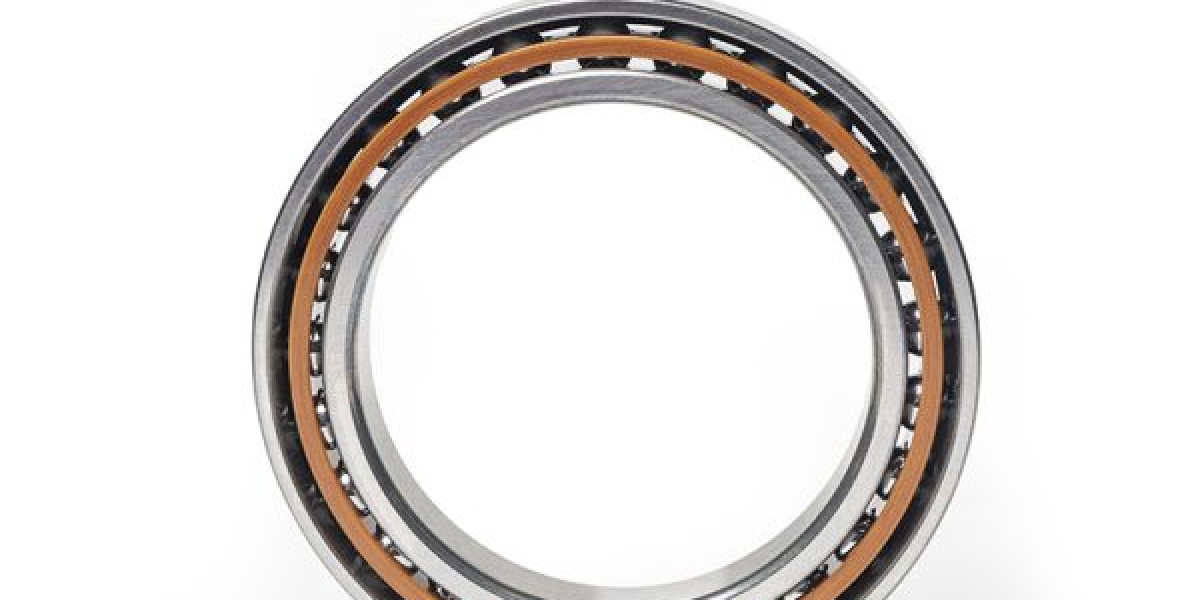

Modern industrial equipment depends on precision components to ensure smooth and efficient operations. Among these essential parts, the angular contact bearing has become highly important for applications requiring speed, accuracy, and load-handling performance. Industries rely on advanced bearing technology to improve machinery stability.
Machines operating under heavy radial and axial loads require dependable bearing solutions for continuous efficiency. Whether in automotive systems, manufacturing plants, or industrial equipment, selecting the right bearing significantly impacts operational reliability, maintenance costs, and equipment longevity.
An angular contact bearing is specifically engineered to handle combined loads while supporting high rotational speeds. Its specialized design makes it a preferred choice for precision-driven industries seeking performance, durability, and consistent mechanical efficiency.
What Is an Angular Contact Bearing?
An angular contact bearing is a type of rolling-element bearing designed to support both radial and axial loads simultaneously. Unlike conventional bearings, it uses a specific contact angle between the balls and raceways, enabling better load distribution and high-speed capability.
These bearings are commonly used in applications where precise shaft positioning and operational stability are essential. Industries requiring high rotational performance often choose this bearing type due to its ability to minimize friction and improve equipment lifespan.
How Angular Contact Bearings Work
The design of an angular contact bearing allows force to transfer through a defined contact angle. This unique structure enables the bearing to carry substantial axial forces in one direction while maintaining excellent radial support.
In industrial environments, these bearings are often installed in pairs or multiple configurations to accommodate loads from different directions. This setup improves operational balance and mechanical performance.
Benefits of Using Angular Contact Bearing
Superior High-Speed Performance
One of the biggest advantages of an angular contact bearing is its ability to function efficiently at high rotational speeds. Reduced friction and optimized internal geometry help machinery perform smoothly even under demanding conditions.
This feature makes it suitable for electric motors, turbines, pumps, and precision manufacturing equipment where speed consistency is critical.
Excellent Combined Load Capacity
Unlike standard ball bearings, angular contact bearings efficiently handle combined axial and radial loads. Their advanced internal structure provides greater mechanical stability and prevents excessive wear during heavy-duty operations.
For industries using high-performance machinery, this capability ensures reliable output and reduced maintenance interruptions.
Improved Precision and Stability
Precision engineering applications require minimal vibration and accurate shaft movement. Angular contact bearings offer exceptional rigidity and alignment, supporting machinery that demands exact positioning and operational consistency.
Industries such as aerospace, robotics, and CNC machining benefit greatly from these performance characteristics.
Common Applications of Angular Contact Bearing
Angular contact bearings are widely used across multiple industries because of their versatility and reliability. Common applications include:
- Automotive transmission systems
- Machine tool spindles
- Industrial pumps and compressors
- Electric motors
- Robotics and automation systems
- Aerospace engineering equipment
- Heavy industrial machinery
Their adaptability makes them essential for systems requiring durability and precision under high-load conditions.
Factors to Consider When Choosing Angular Contact Bearing
Load Requirements
Before selecting a bearing, understanding the equipment’s load requirements is essential. Different applications demand varying axial and radial load capacities to ensure proper functionality.
Bearing Material and Durability
Material quality significantly influences bearing performance. High-grade steel and advanced manufacturing processes improve resistance to wear, corrosion, and extreme temperatures.
Speed Compatibility
Some industrial systems require extremely high-speed operation. Choosing an angular contact bearing designed for optimal rotational performance helps reduce overheating and operational inefficiencies.
Lubrication and Maintenance
Proper lubrication extends bearing lifespan and prevents excessive friction. Businesses should prioritize bearings designed for efficient maintenance and long-term operational reliability.
Why Angular Contact Bearings Are Essential for Modern Industries
As industries adopt automation and precision-focused machinery, the demand for advanced bearing systems continues to grow. Angular contact bearings play a major role in improving equipment performance, minimizing downtime, and increasing productivity.
Manufacturers prioritize these bearings because they contribute to smoother machine operations, better energy efficiency, and enhanced reliability. Their ability to support complex industrial systems makes them indispensable across multiple sectors.
Furthermore, businesses seeking cost-effective maintenance solutions often invest in premium bearing technologies to reduce long-term operational expenses and maximize equipment life.
Choosing the Right Supplier for Angular Contact Bearings
Finding a trusted supplier ensures consistent quality and reliable technical support. Businesses should evaluate factors such as manufacturing standards, product certifications, and supplier reputation before making purchasing decisions.
A dependable bearing manufacturer can provide precision-engineered solutions tailored to industrial demands, ensuring long-lasting performance and operational efficiency.
Conclusion
Angular contact bearing technology has transformed modern industrial performance by delivering high-speed capability, superior load management, and enhanced precision. From manufacturing systems to automotive applications, these bearings support efficient and reliable machinery operations.
Industries seeking durability, smoother mechanical movement, and reduced maintenance costs increasingly depend on advanced bearing solutions. Choosing the right angular contact bearing helps improve productivity, operational stability, and long-term equipment performance.