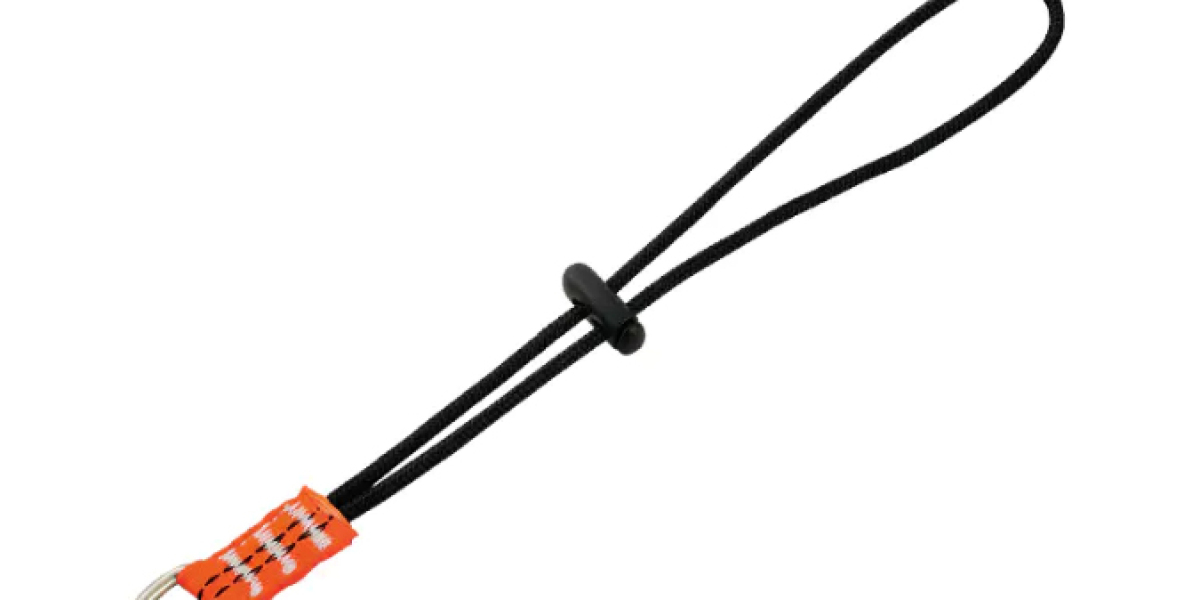

Inside a typical retractable tool leash, a spool mechanism controls the extension of the cord. When a tool is pulled away, the line extends smoothly, and when released, it retracts back into the housing with controlled tension. This balance helps reduce slack while avoiding sudden snapping back. Different models vary in tension strength, which affects how heavy a tool can be supported during daily use. In real working conditions, users often adapt quickly to the feel of the system without needing adjustment.
This type of tool attachment is widely used in construction, electrical work, and maintenance tasks. On construction sites, it helps prevent accidental drops when working at height. Electricians rely on it in tight or elevated spaces where tool security is important. In workshops and maintenance areas, it helps keep tools organized and within reach while moving between tasks. The retractable tool leash is often chosen in these settings because it supports mobility without increasing handling steps.
Compared with fixed lanyards, a retractable system behaves more dynamically. Fixed lines maintain one length, which can sometimes interfere with movement or create excess slack. A retractable tool leash adjusts automatically, making tool handling feel more fluid in confined or active workspaces. This difference becomes more noticeable during longer shifts where repeated tool use is required.
Selection usually depends on tool weight, working distance, and frequency of use. Heavier tools require stronger internal tension systems, while lighter tools can use simpler configurations. In practice, consistency across multiple units is also important in team environments where workers switch tools throughout the day. A retractable tool leash is generally selected when both safety and ease of movement need to be maintained in everyday field operations.