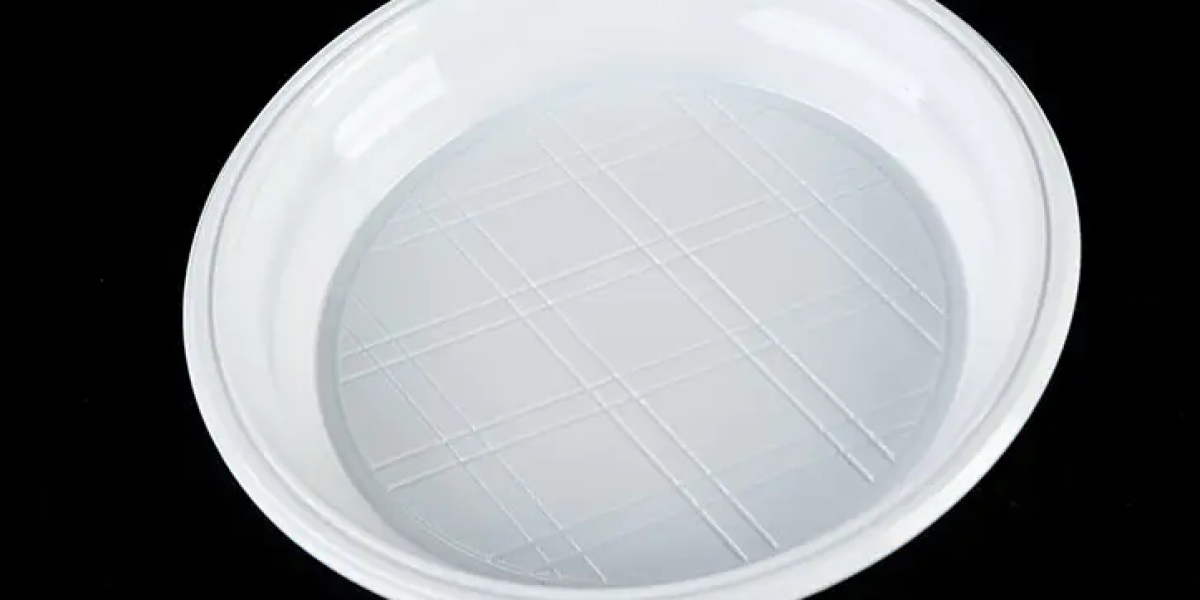

Walk into almost any household across the globe, and chances are you will find a plastic plate tucked somewhere in the kitchen. This unassuming piece of tableware has become a fixture of modern life in a way that ceramic dishes and glass bowls never quite managed. Lightweight, shatter-resistant, and affordable — the plastic plate answers needs that more fragile alternatives simply cannot.
The material itself has a fascinating story. Most plastic plates are manufactured from polypropylene or melamine resin, two polymers that offer durability without the brittleness of ceramic. Polypropylene plates flex slightly under pressure, which is why dropping one on a tile floor is rarely cause for alarm. Melamine plates, on the other hand, are denser and feel closer to traditional dinnerware in the hand. Both materials can be molded into nearly any shape — flat, rimmed, divided — giving manufacturers a remarkable range of design possibilities.
Households with young children often treat the plastic plate as something close to a necessity. Small hands are unpredictable, and a dropped ceramic dish can mean broken shards on the floor and a stressed parent. A colorful plastic plate bounces and slides harmlessly, making mealtimes a little less nerve-wracking. Many children's plastic plates feature bright graphics, compartmentalized sections, or even characters from animated shows, turning an otherwise routine lunch into something a child looks forward to.
Beyond domestic kitchens, the plastic plate shows up in school cafeterias, hospital canteens, camping gear bags, and outdoor catering setups. Its resistance to heat — within limits — and its ability to withstand washing machine cycles make it a reliable workhorse in high-volume food service environments. Event planners regularly stock large quantities of disposable plastic plates for outdoor gatherings, where the risk of breakage and the hassle of transport make reusable ceramic impractical.