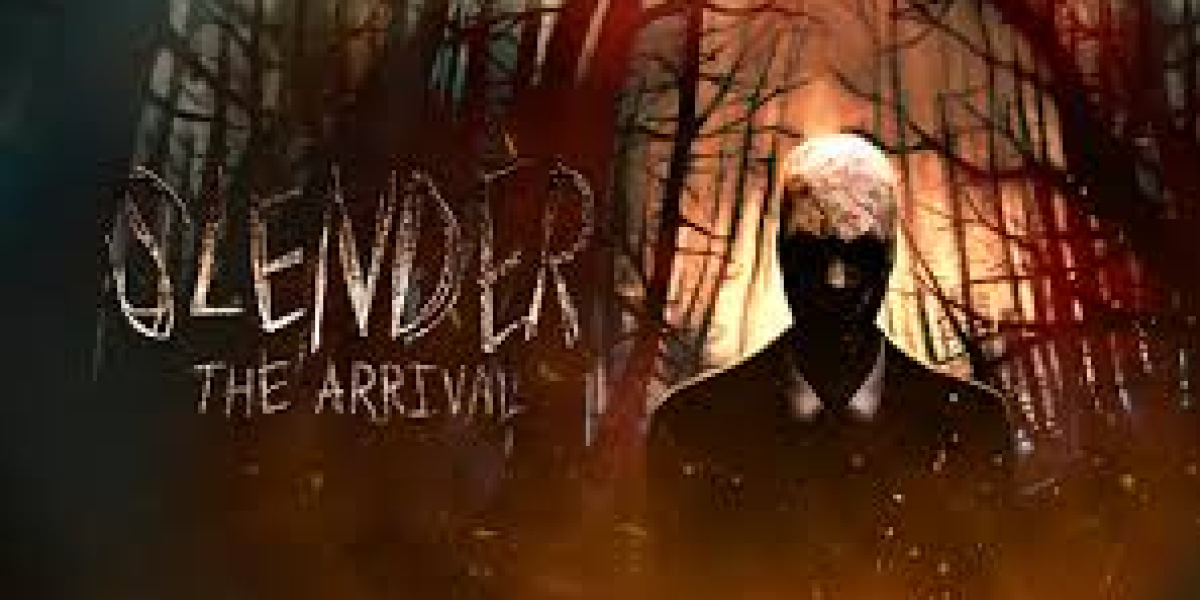

There’s a moment that happens in a lot of horror games where nothing attacks you for several minutes. No music spikes. No sudden movement. Just empty hallways, flickering lights, distant ambient noise, and the sound of your own footsteps.
Oddly enough, those moments are often the reason people keep coming back to the genre.
Not the monsters. Not the jump scares. The quiet.
It sounds contradictory at first. Horror games are built around discomfort, tension, vulnerability. But beneath all of that, there’s a strange kind of comfort hidden inside isolation-heavy horror games. A mood that’s difficult to explain unless you’ve spent hours wandering abandoned buildings at 2 a.m. with headphones on.
It’s not relaxing exactly.
But it’s familiar in a way few genres manage to be.
Loneliness Becomes Part of the Atmosphere
Most games try to make players feel powerful, busy, constantly rewarded. Objectives pile up. NPCs talk nonstop. Maps overflow with icons.
Horror games often move in the opposite direction.
They strip things away.
You’re left alone with minimal guidance, sparse environments, and long stretches where the game trusts silence to carry the experience. Instead of overwhelming the player with activity, horror games create emotional space.
That space matters.
Walking through an abandoned apartment complex in a horror game can feel oddly meditative because there’s so little competing for your attention. You begin noticing tiny environmental details: water stains on ceilings, distant electrical buzzing, doors slightly left open.
The world feels abandoned but preserved.
Almost frozen.
And when a game captures that feeling properly, exploration becomes emotionally absorbing even when nothing “important” is happening mechanically.
Some of the most memorable horror experiences barely involve direct danger at all. They rely on atmosphere dense enough to make ordinary movement feel tense.
That’s difficult to fake.
Horror Games Understand Environmental Storytelling Better Than Most Genres
A good horror environment tells stories without announcing them.
You enter a room and immediately sense something went wrong there long before the game explains anything. Furniture placement, lighting, objects left behind — it all quietly builds emotional context.
The strongest horror games rarely overexplain themselves. They trust players to absorb mood naturally.
That restraint creates immersion.
A bloodstain is less interesting than a room that looks like someone left in a hurry. A loud scripted scare is often less effective than finding evidence of human presence in a place that now feels completely empty.
Players mentally fill gaps on their own, and those imagined details tend to become more disturbing than explicit exposition.
That’s why abandoned settings work so well in horror. Schools after dark. Empty hospitals. Underground stations. Places designed for people but suddenly missing them.
There’s something psychologically unsettling about environments that should feel alive but don’t.
You can see similar ideas explored in discussions around [why abandoned settings work so well in games] or [how silence creates tension in interactive storytelling]. The environment itself becomes part of the emotional experience rather than simple background decoration.
Fear Changes the Pace of Exploration
One thing horror games do exceptionally well is altering how players move through virtual spaces.
In most genres, players sprint everywhere. Objectives matter more than atmosphere. Rooms become checkpoints rather than places.
Horror changes that behavior completely.
Players slow down naturally because fear encourages caution. Suddenly every hallway matters. Corners matter. Lighting matters.
The act of walking itself becomes emotionally charged.
And because movement slows, environments become more memorable. You absorb details subconsciously. You remember room layouts, strange sounds, recurring visual motifs.
That slower pacing creates attachment.
There are horror games I barely remember plot-wise but still remember geographically. I can picture exact corridors, stairwells, save rooms, narrow passages. Certain spaces become emotionally tied to stress or relief.
Safe rooms are probably the best example of this.
Few mechanics feel as emotionally effective as entering a quiet save room after surviving prolonged tension. The music softens. The lighting changes. Nothing attacks you for a while.
Relief becomes physical.
Horror games understand that emotional contrast matters more than constant fear. Without moments of calm, tension loses meaning.
The Genre Feels More Personal at Night
Horror games also have a strange relationship with time.
Playing during the day feels completely different from playing late at night. Even familiar games become heavier after midnight. Ambient sounds feel sharper. Empty spaces feel larger.
Part of this is obvious psychology. Darkness heightens alertness. Fatigue lowers emotional resistance.
But horror games intentionally lean into that vulnerability.
They create experiences that feel intimate because they demand attention. You can casually multitask through a lot of genres. Horror punishes distraction. Players become hyper-aware of sound design, pacing, environmental cues.
That concentration pulls people deeper into the experience.
And honestly, there’s something almost ritualistic about nighttime horror gaming. Dim lights, headphones, quiet room. It becomes less about “playing a game” and more about entering a certain emotional state for a few hours.
People rarely describe horror games this way publicly because it sounds overly dramatic, but anyone who genuinely loves the genre probably recognizes the feeling immediately.
The atmosphere follows you afterward.
Not intensely. Just subtly enough that ordinary silence feels different for a little while.
Imperfection Can Make Horror More Effective
One of the interesting things about horror fans is their tolerance for rough edges.
In many genres, awkward mechanics or strange animation instantly break immersion. Horror works differently. Sometimes imperfections actually increase discomfort.
Stiff movement can make characters feel unnatural. Unpolished voice acting can create dreamlike awkwardness. Unclear mechanics can increase vulnerability because players never feel fully stable.
That unpredictability matters.
A perfectly optimized horror experience can accidentally become too readable. Too safe. Players understand systems quickly and stop feeling uneasy.
Older horror games especially benefited from technical limitations in weird ways. Fog covered rendering distance but also created uncertainty. Audio compression distorted sounds into something uncanny. Limited visibility forced slower movement.
The games didn’t always intend these effects, but they became part of the atmosphere anyway.
Modern horror occasionally loses that accidental strangeness because everything is cleaner and more controlled now.
Fear usually thrives in ambiguity.
Horror Fans Aren’t Always Chasing Scares
People outside the genre often assume horror players constantly want extreme fear, but that’s rarely the whole story.
A lot of horror fans are chasing mood more than terror.
Melancholy environments. Isolation. Unease. Quiet exploration. The emotional texture matters as much as direct scares. Sometimes more.
There’s a reason certain horror games become comfort games despite being objectively stressful. The atmosphere becomes familiar over time. Predictable even.
You know the dangers are there, but familiarity softens them into something reflective instead of overwhelming.
That emotional contradiction is part of what makes horror games unique. They create discomfort while also creating attachment. Players return to places that once frightened them because those places now carry emotional memory.
Not safety exactly.
But recognition.


