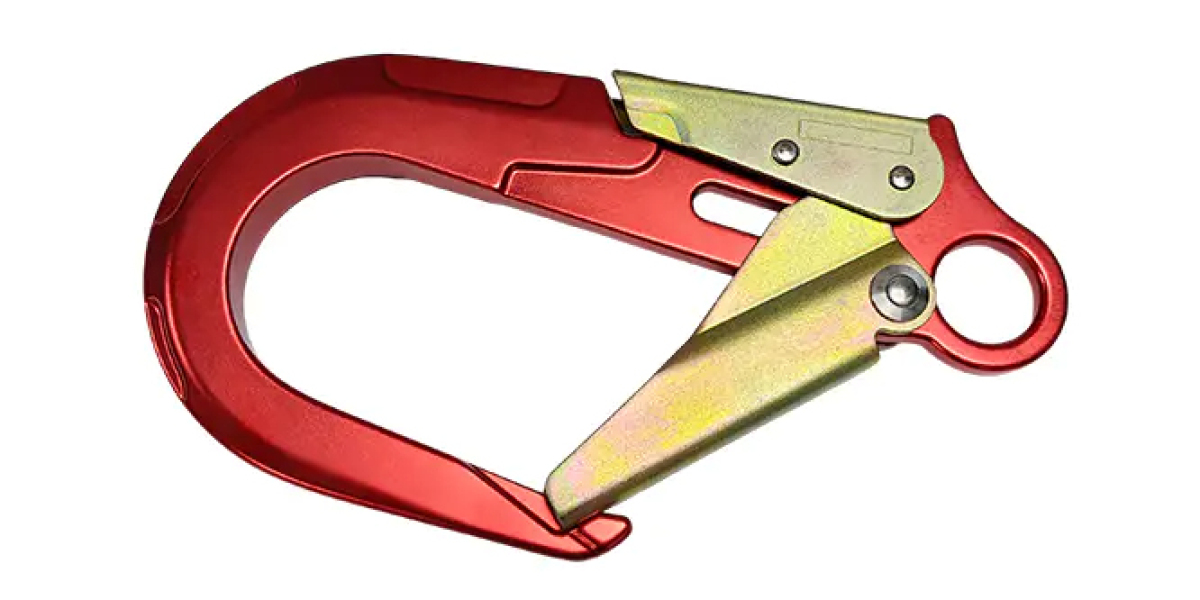

Search and rescue teams operate under conditions that compress decision-making into seconds and demand absolute reliability from every component in their systems. Carabiners appear throughout technical rescue rigging — in anchor construction, mechanical advantage pulley systems, patient packaging, highline traverses, and lowering operations — making their selection, inspection, and correct use a genuinely life-critical discipline rather than a casual equipment choice.
Building a rescue anchor typically involves multiple carabiners working together in a configuration that distributes load, maintains redundancy, and allows adjustment or release under tension if circumstances change. Each carabiner in the anchor system occupies a specific functional role. Masterpoint carabiners bear the primary system load and suit large, high-strength locking designs with generous internal volume that accommodates multiple ropes, slings, and connecting hardware simultaneously. Redirectional carabiners change the rope's direction at intermediate points in the system, experiencing side loads that demand attention to minor axis strength ratings during setup.
Mechanical advantage systems — used to haul injured subjects, raise equipment, or reset anchors — place carabiners under complex loading patterns that combine direct tension, rope movement friction, and occasional shock loading. Selecting carabiners with smooth internal surfaces, generous radius curves along the spine, and robust gate mechanisms ensures that rope runs freely and systems operate efficiently under the physical and time pressure of real rescue scenarios.
Carabiner certification involves independent laboratory testing against published standards that define minimum breaking loads, gate opening force limits, gate retention requirements, and dimensional tolerances. Certification marks stamped on a carabiner body confirm the device was manufactured and tested to meet these requirements at the time of production. They do not certify the condition of a specific carabiner after years of use, which is why ongoing user inspection remains indispensable regardless of original certification status.
Recreational climbers developing efficient rope clipping and racking habits early in their climbing careers benefit across their entire time on the rock. Carrying carabiners organized by type and function on the harness, learning to clip cleanly with either hand, orienting gate openings away from the direction of accidental loading, and building the habit of visual gate-closed confirmation after every clip — these small disciplines compound into genuine safety margins over thousands of pitches and many climbing seasons.