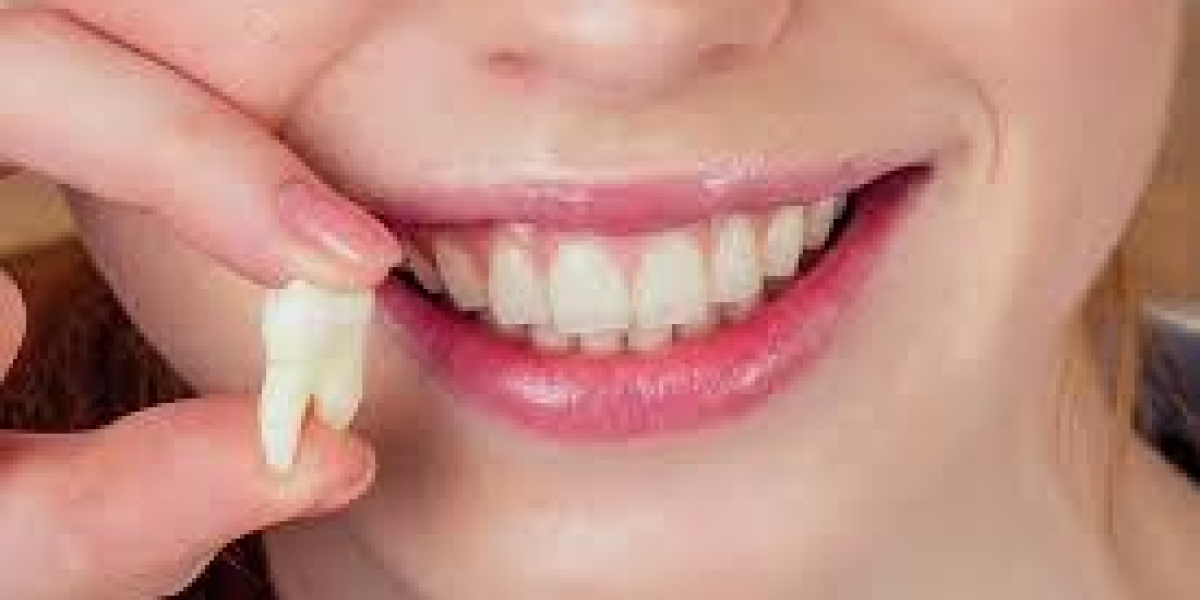

Most people know wisdom teeth can be troublesome. But what surprises many patients is just how quietly the damage can build up. You might not feel anything particularly alarming for months - or even years - while an impacted wisdom tooth is steadily creating problems for the teeth, gums, and bone sitting right next to it.
This is one of those dental situations where the absence of severe pain is frequently mistaken for the absence of a problem.
What Does "Impacted" Actually Mean?
A wisdom tooth is described as impacted when it doesn't have enough room to emerge properly through the gum. Instead of coming through straight, it grows at an angle - sometimes pushing directly into the tooth beside it, sometimes remaining partially buried under the gum, and sometimes sitting completely horizontal within the jaw.
There are different degrees of impaction, and not all of them cause immediate, obvious symptoms. That's what makes them particularly worth paying attention to.
The Hidden Damage That Builds Over Time
When a wisdom tooth pushes against the molar in front of it, the pressure doesn't just cause discomfort - it can gradually erode the root of that neighbouring tooth. This type of damage, called root resorption, can weaken a perfectly healthy tooth to the point where it becomes non-restorable.
The partially erupted wisdom tooth also creates a narrow pocket between itself and the gum that is almost impossible to clean properly. Bacteria accumulate in this space, leading to a specific type of infection called pericoronitis, which causes swelling, pain, and sometimes difficulty opening the mouth fully.
Wisdom Teeth Removal is often recommended not because the wisdom tooth itself is the immediate problem, but because of the progressive harm it causes to the surrounding structures over time.
Signs That Something May Already Be Happening
Many patients dismiss these signs as minor or unrelated to their wisdom teeth:
A dull, persistent ache at the back of the jaw
Occasional swelling or tenderness near the back molars
Difficulty fully opening the mouth in the morning
Recurring bad breath despite thorough brushing
Sensitivity in the teeth adjacent to the wisdom tooth area
Headaches that start around the jaw and temples
If any of these sound familiar, it's worth having them assessed sooner rather than later.
Why Younger Patients Fare Better After Removal
The roots of wisdom teeth continue developing into the mid-twenties. Earlier removal, when the roots are not fully formed, and the surrounding bone is more flexible, typically results in a simpler procedure and faster recovery.
Waiting until symptoms become severe often means the roots are fully developed, more deeply embedded, and occasionally entangled with the nerve that runs along the lower jaw. This doesn't make removal impossible - but it does make the process more involved.
What the Assessment Involves
At Manningtree Dental and Implant Centre, assessing wisdom teeth involves more than a visual check. X-rays - and in some cases 3D imaging - allow the clinical team to see exactly how each wisdom tooth is positioned, how developed the roots are, and how close the tooth sits to surrounding nerves and structures.
This level of detail shapes the treatment plan and helps set realistic expectations for recovery.
Dental Treatment After Wisdom Tooth Removal
Once an impacted tooth is removed, the focus shifts to ensuring the surrounding area heals cleanly and that any damage caused to neighbouring teeth is addressed. In some cases, the adjacent molar may need monitoring or restorative work if it has been affected.
Dental treatment following extraction is straightforward - soft foods, gentle cleaning around the site, avoiding smoking, and following the specific guidance given by your dental team. Most patients find recovery is more manageable than they expected.
When Leaving It Alone Is Not the Safer Option
There's a common assumption that if a wisdom tooth isn't causing significant pain, it's best left alone. In some cases - where the tooth is fully erupted, properly aligned, and easy to clean - that's correct. But for impacted teeth, the risk calculation is different.
The longer an impacted tooth remains in a position where it is damaging adjacent teeth or creating an uncleanable pocket, the more complex the eventual treatment becomes - not just for the wisdom tooth, but for everything around it.
FAQ
Q: Do all wisdom teeth need to be removed?
No. Wisdom teeth that are fully erupted, correctly aligned, and easy to clean may not require removal. The decision depends on their position, how they are developing, and whether they are causing or likely to cause problems.
Q: Is wisdom tooth removal painful?
The procedure is carried out under local anaesthetic, so you won't feel pain during the extraction. Post-operative soreness is normal and typically settles within a few days with appropriate aftercare.
Q: How long does recovery take after wisdom tooth removal?
Most patients feel significantly better within three to five days. Complete healing of the gum tissue takes a few weeks, though this varies depending on the complexity of the extraction and individual healing rates.