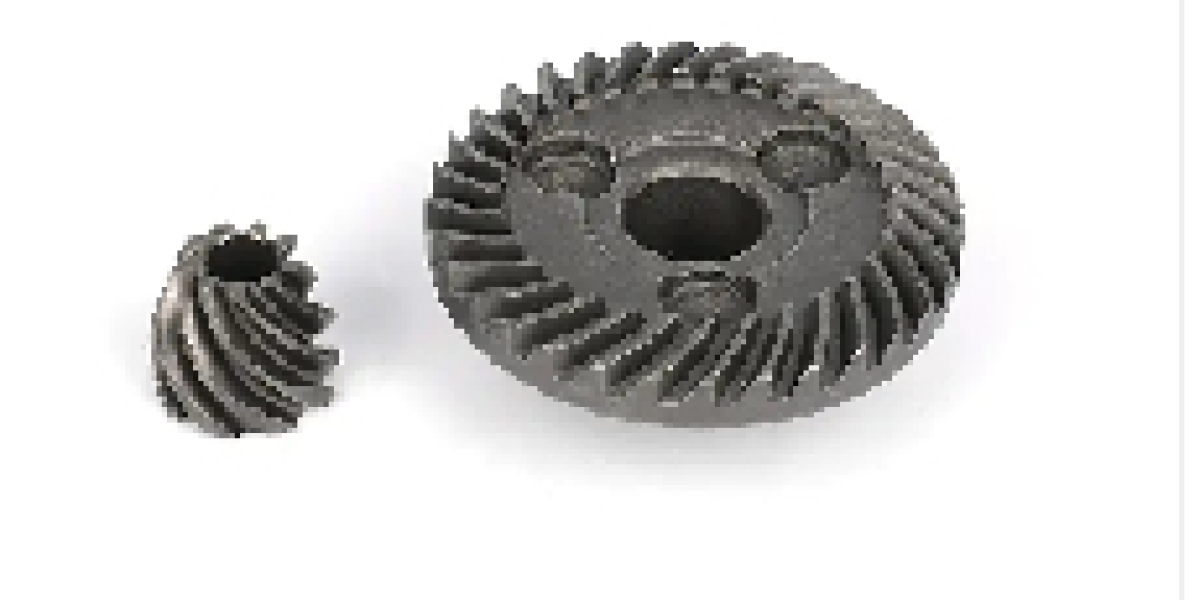

Over the past five years, washing machine parts have evolved significantly, but not always in ways that help repair shops or wholesalers. Motors have shifted from traditional brushed AC designs to brushless DC units, improving efficiency and noise levels, yet these new motors require delicate electronic controllers that fail more often than their mechanical predecessors. Material choices vary widely: premium brands use high-grade stainless steel for bearings and shafts, while economy models increasingly employ plastics that are more prone to cracking in cold conditions. Electronics now make up a large portion of the cost, from strain gauge sensors to WiFi modules, offering advanced features but creating new failure points and sourcing challenges. Standardization remains limited, especially for electronic boards, forcing wholesalers to maintain brand- and model-specific inventories and even firmware tools. Emerging trends like IoT-enabled components and modular subassemblies promise convenience and predictive maintenance but introduce additional complexity. Amid all this, traditional mechanical washing machine parts such as belts, pulleys, and drain pumps remain the most reliable for consistent performance. Successful wholesalers carefully differentiate genuine improvements from marketing hype, maintain traceable sourcing, and stock both premium and economy options. By doing so, they can reduce returns, support technicians, and offer customers parts that truly perform.



Populares


