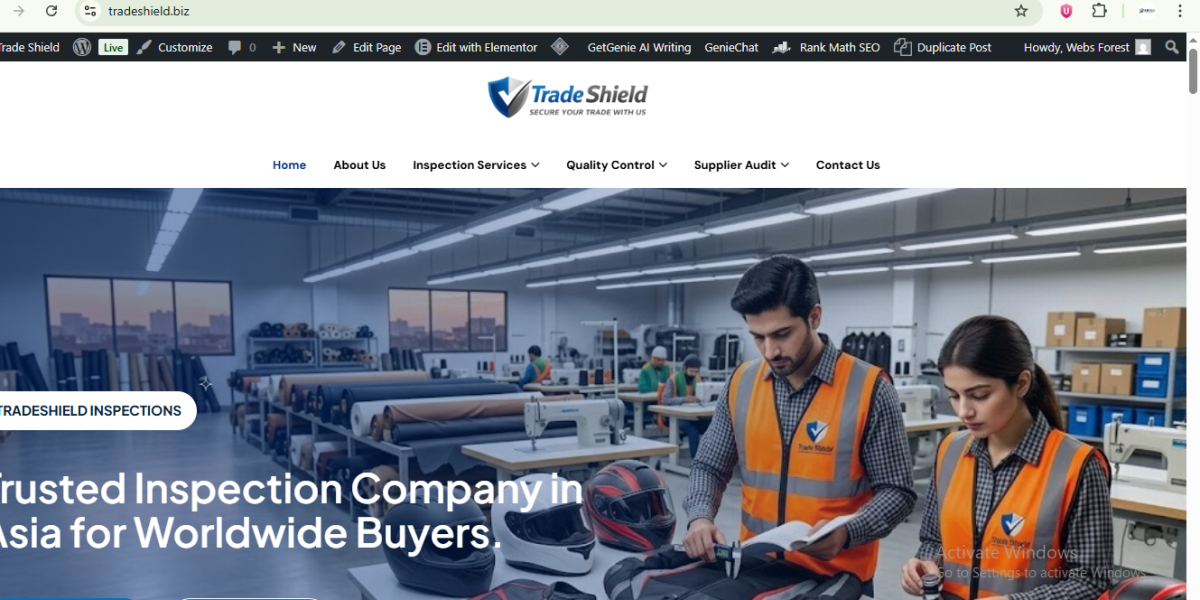

Inspection Services in Pakistan & Asia
Summarize this blog post with: ChatGPT | Perplexity | Claude | Grok
You already know that sourcing products from Asia can be cost-effective and scalable. But what many businesses overlook is the hidden risk of poor quality, miscommunication, and supplier issues. In this guide, you’ll learn exactly how inspection services in Pakistan and Asia work, why they are essential, and how to choose the right partner to protect your shipments.
Key Takeaways
- Inspection services are third-party quality control processes used to verify that products meet required standards before shipment.
- Different inspection types such as pre-production, during production, and pre-shipment inspections serve specific stages of manufacturing.
- Quality inspections reduce risk by preventing defects, delays, and financial losses in global trade.
- Inspection services in Pakistan and Asia provide on-ground verification for international buyers sourcing from factories.
- A structured inspection process includes planning, on-site checks, reporting, and decision-making.
- Choosing a reliable provider ensures consistent quality, transparency, and supplier accountability.
What Are Inspection Services and How Do They Work?
Inspection services are third-party quality control processes used to verify that products meet required standards before shipment.
First, these services act as an independent checkpoint between buyers and suppliers. Instead of relying solely on factory claims, you get unbiased verification of product quality, quantity, and compliance.
For example, if you’re importing garments from Pakistan, an inspector physically checks stitching quality, measurements, and labeling before shipment. This prevents costly returns or rejected goods at destination ports.
Moreover, third-party inspection services in Asia provide independent verification to reduce sourcing risks and improve supply chain transparency. This is especially important when working with overseas suppliers.
In addition, you can integrate inspections with your sourcing strategy using how to reduce supplier risk.
Why Are Inspection Services Important for Importers in Asia?
Inspection services are important because they help businesses prevent costly defects, delays, and disputes in international trade.
First, sourcing from Asia offers cost advantages, but it also introduces risks. According to industry data, up to 20% of initial shipments from new suppliers contain quality issues — Source: Asia Quality Focus, 2023.
For example, imagine receiving 10,000 defective units during peak season. Without inspection, you absorb the loss. With inspection, you catch defects before shipment.
Moreover, inspection services improve supplier accountability. When factories know inspections are scheduled, they maintain higher standards.
In addition, using quality inspection services Asia ensures compliance with international requirements, reducing customs issues and delays.
What Are the Different Types of Inspection Services?
Different types of inspection services are designed to monitor quality at each stage of production, from raw materials to shipment.
Pre-Production Inspection (PPI)
Pre-production inspection is a quality check conducted before manufacturing begins.
First, inspectors verify raw materials, components, and factory readiness. This ensures your supplier understands specifications before production starts.
For example, in textile production, inspectors confirm fabric quality, GSM, and color consistency.
During Production Inspection (DPI)
During production inspection is conducted when 20–50% of goods are manufactured.
Second, this inspection identifies issues early. Fixing defects mid-production is cheaper than correcting finished goods.
For example, if stitching defects are found early, the factory can adjust processes immediately.
Pre-Shipment Inspection (PSI)
Pre-shipment inspection involves checking finished goods to ensure they comply with buyer specifications and quality requirements.
Third, PSI is the most critical inspection stage. It determines whether goods are ready for shipment.
For detailed steps, read our pre-shipment inspection process.
Container Loading Inspection (CLI)
Container loading inspection ensures products are correctly loaded, secured, and shipped in proper condition.
Next, this prevents damage, quantity mismatches, and shipping errors.
Explore more via container loading inspection services.
Supplier Audit / Factory Audit
Supplier audits evaluate factory capabilities, compliance, and reliability before placing orders.
Finally, audits help you choose trustworthy suppliers.
Check our third-party supplier audit services or factory audit services in Asia.
Inspection Types Comparison Table
| Inspection Type | Stage | Purpose | Risk Reduction Level |
|---|---|---|---|
| PPI | Before production | Verify materials | Medium |
| DPI | Mid-production | Detect early defects | High |
| PSI | Before shipment | Final quality check | Very High |
| CLI | During loading | Ensure safe shipping | High |
| Audit | Before order | Verify supplier | Very High |
How Does Pre-Shipment Inspection Reduce Risk?
Pre-shipment inspection reduces risk by identifying defects in finished goods before they are shipped to buyers.
First, PSI uses statistical sampling methods like AQL to evaluate product batches. This ensures consistent quality across large quantities.
For example, if 500 units out of 5,000 fail quality standards, the shipment can be rejected or reworked before shipping.
Moreover, PSI prevents disputes between buyers and suppliers. You have documented proof of product condition.
In addition, businesses using PSI report up to 80% reduction in defective shipments — Source: SGS Report, 2023.
What Is AQL and How Is It Used in Inspection Services?
AQL (Acceptable Quality Limit) is a statistical sampling method used to determine the maximum number of acceptable defects in a product batch.
First, AQL defines acceptable defect levels across three categories:
- Critical defects (0 tolerance)
- Major defects
- Minor defects
For example, an AQL of 2.5 means only 2.5% of units can have major defects.
Moreover, inspectors randomly select samples and compare defect counts against AQL thresholds.
Learn more in our AQL inspection guide.
In addition, AQL helps standardize inspections globally, ensuring consistent evaluation criteria.
Which Industries Benefit Most from Inspection Services?
Inspection services benefit industries that rely on mass production, global sourcing, and strict quality standards.
First, the apparel sector heavily depends on inspections. Explore garment inspection services in Pakistan.
Second, electronics require functional and safety testing.
Third, furniture inspections ensure structural integrity and finish quality.
Fourth, consumer goods need consistency across large batches.
Finally, PPE and safety equipment require compliance with strict standards.
According to global data, over 68% of importers use third-party inspections — Source: Statista, 2024.
What Does an Inspection Report Include?
An inspection report includes detailed findings, photos, measurements, and pass/fail results based on predefined criteria.
First, reports typically contain:
- Product specifications
- Quantity verification
- Defect classification
- Photos and evidence
- AQL results
For example, a PSI report may include 50+ images highlighting defects and packaging issues.
You can view an inspection report sample.
How to Choose the Best Inspection Service Provider?
The best inspection service provider is one that offers experience, local coverage, transparent reporting, and fast turnaround.
First, look for providers with strong presence in Pakistan and Asia.
Second, evaluate reporting quality. Detailed reports with photos are essential.
Third, check turnaround time. Fast reports help quick decision-making.
Fourth, verify industry experience relevant to your products.
Finally, choose providers offering customized checklists.
Tools, Reports & Real Examples in Inspection Services
Inspection tools and reports provide actionable insights that help businesses make informed decisions before shipment.
First, inspection checklists define quality standards. Use our quality control checklist for inspections.
Second, digital reporting tools allow real-time updates.
For example, inspectors upload photos and results instantly, enabling faster approvals.
Third, real-world case studies show impact.For instance, a buyer avoided a $30,000 loss after inspectors identified packaging defects before shipment.
When Should You Schedule an Inspection During Production?
Inspections should be scheduled at multiple stages to maximize quality control and minimize risk.
First, schedule PPI before production begins.
Second, conduct DPI when 30–50% production is complete.
Third, perform PSI when 100% goods are finished and 80% packed.
Finally, arrange CLI during container loading.
This multi-stage approach ensures continuous quality monitoring.
How to Book Inspection Services in Pakistan
Booking inspection services involves submitting product details, scheduling inspection dates, and defining quality criteria.
First, prepare product specifications and requirements.
Second, select inspection type and timeline.
Third, confirm factory location and contact details.
Finally, schedule inspection with a trusted provider.
Conclusion
Inspection services are essential for ensuring product quality, reducing risks, and maintaining trust in global supply chains.
Ultimately, sourcing from Pakistan and Asia offers massive opportunities—but only if you control quality effectively.
By using third-party inspection services, you gain visibility, prevent losses, and build reliable supplier relationships.
Now is the time to take control of your supply chain and ensure every shipment meets your standards.
Written by FJP SEO Services — B2B SEO & Supply Chain Content Specialist with expertise in global sourcing and quality control
Reviewed by Senior Quality Assurance Consultant — 10+ years experience in inspection and compliance across Asia