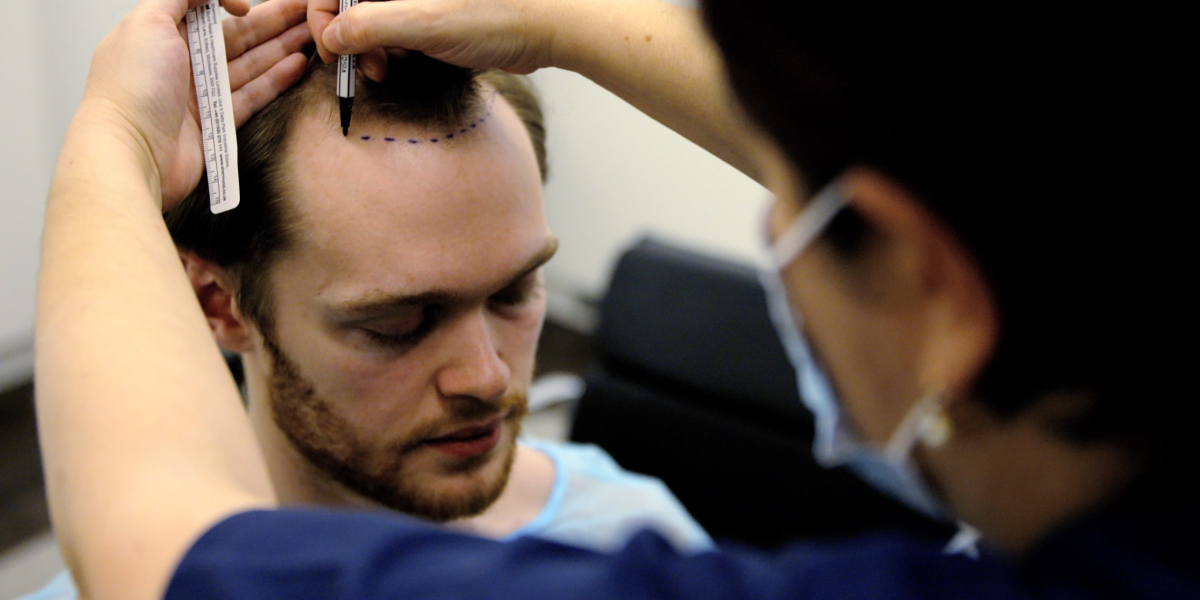

Undergoing a hair transplant is an exciting step toward restoring confidence and natural hair growth. However, the journey does not end when the procedure is complete. Understanding the hair transplant healing stages after surgery is essential for setting realistic expectations and ensuring proper recovery.
What Happens Immediately After Hair Transplant Surgery?
The First 24–48 Hours:
Right after surgery, the scalp begins its initial healing phase. This is the most sensitive period.
You may notice:
- Mild redness around treated areas
- Small scabs forming around grafts
- Tightness or slight discomfort in the scalp
- Mild swelling in some cases
These are normal and temporary signs of healing.
During this time, it is important to protect the scalp and avoid touching or scratching the area.
Early Healing Stage:
Scabbing and Initial Recovery:
The first week is a crucial part of the hair transplant healing stages after surgery.
Common experiences include:
- Formation of tiny scabs around transplanted grafts
- Slight itching as the scalp begins healing
- Reduced redness over time
- Mild sensitivity in donor and recipient areas
These scabs are part of the natural healing process and should not be picked or removed manually.
By the end of the first week, the scalp starts looking more settled.
Second Week: Scabs Begin to Fall Off:
Visible Improvement Begins:
Around 7–14 days after surgery:
- Scabs naturally fall off
- Redness significantly reduces
- Scalp appearance improves
- Grafts become more stable
At this stage, most people feel more comfortable returning to normal daily activities.
However, gentle care is still required.
Shock Loss Phase:
Temporary Shedding Is Normal:
One of the most misunderstood parts of hair transplant healing stages after surgery is shock loss.
During this phase:
- Transplanted hair may shed
- Surrounding weak hair may also fall
- Scalp may look similar to pre-surgery condition
This is completely normal and expected.
Important to understand:
- Only the hair shaft falls out
- The follicles remain healthy under the skin
- New growth will begin later
This phase can be emotionally challenging, but it is temporary.
Early Growth Stage:
First Signs of New Hair:
After the resting phase, new growth begins.
You may notice:
- Fine, thin hair emerging
- Uneven or patchy early growth
- Gradual improvement in coverage
The new hair is usually soft and light at first but strengthens over time.
This stage requires patience, as results are still developing.
Active Growth Stage:
Noticeable Improvement:
This is when visible progress becomes more encouraging.
Changes include:
- Increased hair density
- Stronger and thicker strands
- Better blending with existing hair
- More natural appearance forming
At this point, many people begin to see a clear transformation.
Maturation Stage:
Hair Becomes Stronger and Fuller:
The hair transplant healing stages after surgery reach an important milestone during this phase.
You may experience:
- Significant improvement in density
- Hair becoming thicker and darker
- More consistent coverage
- Natural styling ability
Hair continues to grow in a more predictable pattern.
Final Results Stage:
Full Transformation Appears:
By this stage, the majority of healing is complete.
Final results typically include:
- Fully matured hair growth
- Natural-looking hairline
- Even density across treated areas
- Strong, permanent hair strands
For some individuals, full results may continue improving slightly beyond 12 months.
Healing of Donor Area:
Often Overlooked but Important:
The donor area (usually the back or sides of the scalp) also goes through healing stages.
Typical recovery includes:
- Mild redness in the first few days
- Small scabs that heal within a week
- Gradual return to normal appearance
- Minimal visible signs over time
Proper care ensures the donor area heals smoothly.
Factors That Affect Healing Speed:
Why Recovery Differs for Everyone?
Healing time can vary depending on several factors:
- Age and overall health
- Type of hair transplant technique used
- Individual skin healing ability
- Lifestyle habits like smoking or stress
- Quality of aftercare followed
Good habits can significantly improve recovery results.
Tips for Smooth Healing:
Supporting the Best Outcome:
To ensure proper recovery during hair transplant healing stages after surgery, follow these tips:
- Avoid scratching or rubbing the scalp
- Sleep with head slightly elevated in early days
- Follow washing instructions carefully
- Avoid heavy exercise for at least a week
- Stay hydrated and maintain a healthy diet
- Protect scalp from direct sunlight
These steps help protect grafts and improve final results.
Emotional Journey During Healing:
Patience Is Part of the Process:
It is important to remember that hair transplant recovery is not just physical—it is emotional too.
Common feelings include:
- Excitement in early stages
- Frustration during shedding phase
- Hope during early regrowth
- Satisfaction during final results
Understanding the timeline helps reduce anxiety and builds confidence.
FAQs About Hair Transplant Healing Stages:
How long does full healing take?
Most healing occurs within 10–14 days, but full hair growth results take 9–12 months.
Is shedding after transplant normal?
Yes, temporary shedding (shock loss) is a normal part of the process.
When can I wash my hair after surgery?
Usually after 48–72 hours, following gentle washing instructions.
Will transplanted hair fall out again?
Transplanted hair is generally permanent and resistant to hair loss.
When can I return to work?
Most people return within 3–7 days depending on recovery speed.
Final Thoughts:
Understanding the Hair transplant(زراعة شعر )healing stages after surgery is essential for a smooth and stress-free recovery. The process takes time, but each stage plays an important role in achieving natural and lasting results.
From initial scabbing to final hair growth, patience and proper care are key. With the right expectations and consistent aftercare, hair transplant surgery can deliver a permanent and life-changing transformation.