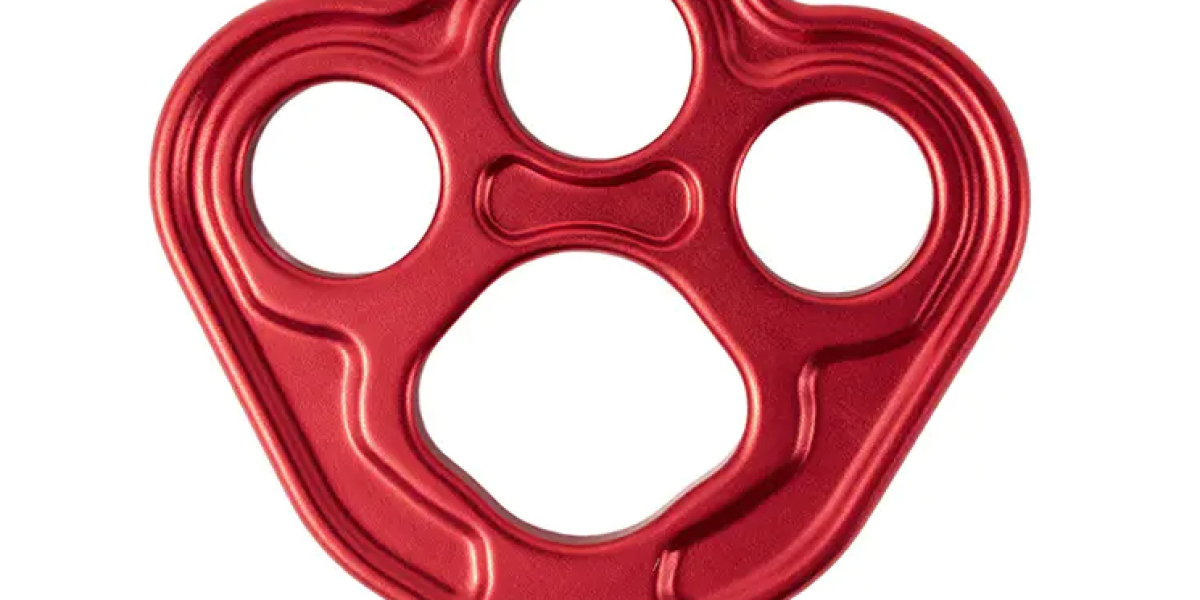

In any rigging system where multiple slings, hooks, shackles, or wire ropes need to converge at a single connection point, the rigging plate provides the mechanical solution that keeps the arrangement organized, balanced, and safe. It is a deceptively simple piece of hardware — a flat or slightly contoured steel plate with multiple precision-drilled holes — yet the engineering behind its load distribution function and the consequences of selecting an inadequate one make it one of the more important components in a lifting assembly.
A rigging plate, sometimes called a load distribution plate or multi-hole lifting plate, connects to the primary lifting hook or master link at one hole while accepting multiple secondary connections through its remaining holes. This arrangement allows a single overhead lifting point to support a multi-leg sling assembly, spreader beam connection, or combination of rigging hardware without requiring each leg to connect individually to the hook — a configuration that would be geometrically awkward and mechanically less controlled. The plate holds the geometry of the lift, maintaining defined angles between sling legs and preventing the chaotic convergence of multiple components at a single hook throat.
Material selection for rigging plates reflects the demanding mechanical environment they inhabit. High-tensile alloy steel, typically quenched and tempered to grade 80 or grade 100 specification, provides the yield strength and impact toughness needed to handle dynamic loading conditions encountered during crane lifts, rigging operations, and heavy equipment installation. The working load limit stamped or engraved on a certified rigging plate corresponds to a specific safety factor — usually four to one or five to one against the calculated minimum breaking load — established through destructive proof testing of representative samples from the production batch.