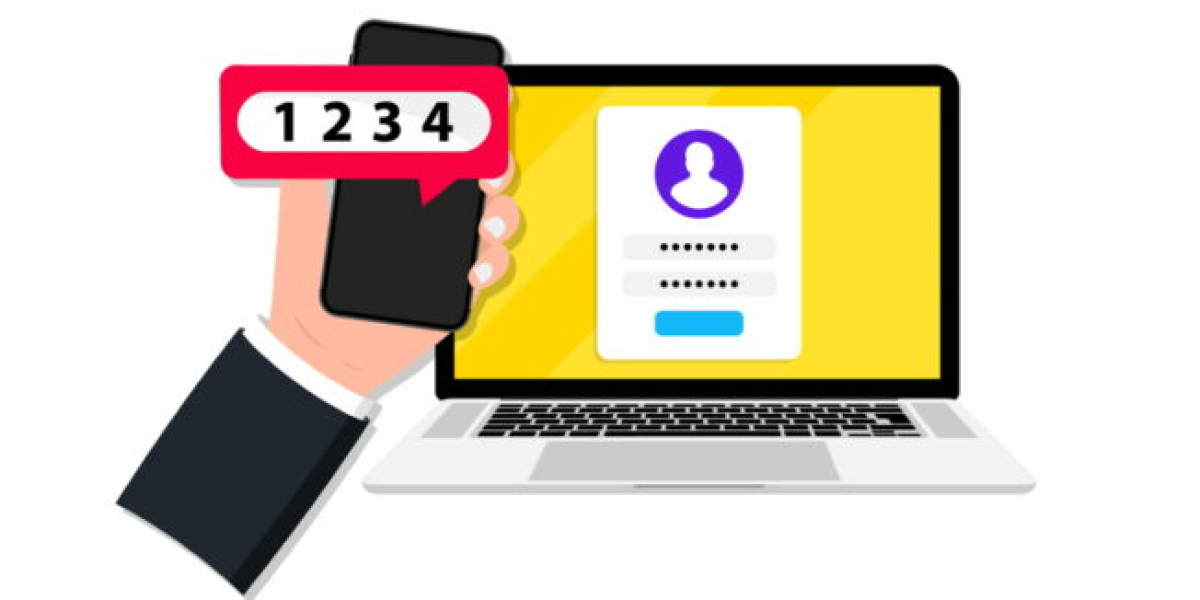

To truly comprehend the dynamics of modern identity security, a detailed and strategic Two-Factor Authentication Market Analysis is essential. This requires segmenting the market along its most critical dimensions to understand the different technologies, deployment models, and end-user segments that are shaping the industry. The market is most effectively analyzed by the type of authentication factor used, the organizational size it serves, the industry vertical adopting the technology, and the geographical distribution of demand. This multi-faceted analysis reveals a market that is undergoing a significant evolution, moving away from older, hardware-based tokens towards more convenient, mobile-centric and passwordless methods, and shifting from on-premise deployments to cloud-based services. A granular understanding of these trends is crucial for vendors developing new authentication products, for businesses crafting their identity security strategy, and for investors seeking to identify the most promising areas of growth in a market that is foundational to all of digital security.
One of the most important ways to analyze the market is by the type of authentication factor, which highlights the technological trends in the industry. The market can be broken down into hardware tokens, software tokens, and biometrics. The hardware OTP (one-time password) token segment, while once dominant, is a mature and declining market, largely being replaced by more convenient methods. The market for hardware security keys (like YubiKeys) based on the FIDO/WebAuthn standard, however, is a high-growth niche, prized for its superior, unphishable security. The software token segment is currently the largest and fastest-growing part of the market. This includes SMS-based OTPs, which are widely used but considered less secure, and, more importantly, mobile authenticator apps. These apps, which support both TOTP codes and one-tap "push" notifications, have become the de facto standard for 2FA due to their convenience and low cost. The biometrics segment is also experiencing explosive growth, as fingerprint and facial recognition sensors are now standard on most smartphones and laptops, providing a frictionless and secure authentication factor that is increasingly being integrated into 2FA workflows.
An analysis by organization size—Small and Medium-sized Businesses (SMBs) versus Large Enterprises—reveals different adoption patterns and product needs. Large enterprises are the most mature adopters of 2FA, often driven by complex compliance requirements and the need to protect high-value assets. They typically deploy comprehensive, enterprise-grade Identity and Access Management (IAM) platforms that include sophisticated, policy-driven 2FA capabilities. They require solutions that can integrate with a complex, hybrid IT environment of both cloud and on-premise applications. In contrast, the SMB segment is a massive and still-underpenetrated growth market. For a long time, 2FA was seen as too complex and expensive for smaller businesses. However, the rise of easy-to-use, affordable, cloud-based 2FA solutions has dramatically lowered the barrier to entry. SMBs are now rapidly adopting 2FA, often as part of a bundled security offering or as a feature of the cloud applications they already use (like Microsoft 365 or Google Workspace), creating a huge volume-driven market for user-friendly authentication solutions.
A geographical market analysis shows a global adoption trend, with North America currently leading the market in terms of revenue and maturity. The high concentration of technology companies, a strong focus on cybersecurity, and a stringent regulatory environment (particularly in finance and healthcare) have made the U.S. and Canada early and aggressive adopters of 2FA. Europe is the second-largest market, with its growth heavily influenced by the data protection requirements of GDPR and strong privacy-conscious culture. The Asia-Pacific (APAC) region is the fastest-growing market. As digital transformation and mobile internet usage skyrocket in countries like India, China, and across Southeast Asia, the incidence of cybercrime and account takeover fraud is also rising rapidly. This is creating a massive and urgent demand for stronger security measures, and governments and businesses in the region are increasingly mandating and adopting 2FA to protect their citizens and customers, making APAC a key engine of future global market growth.
Explore Our Latest Trending Reports:


