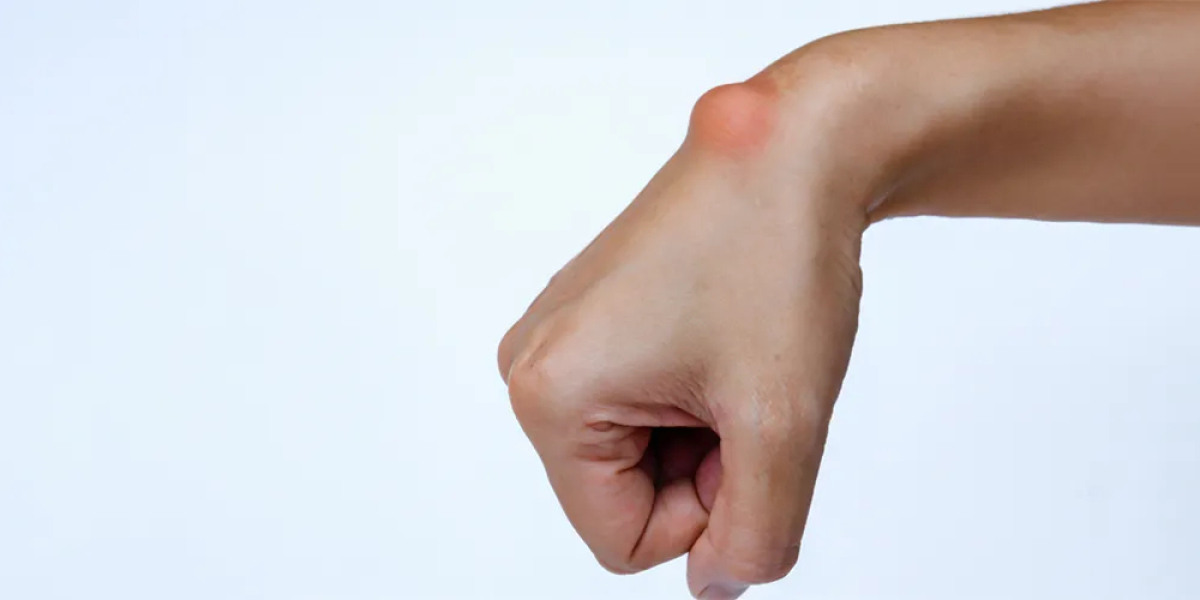

Lipomas are common benign fatty tumors that develop under the skin and are usually harmless, but modern dermatology has significantly improved how they are diagnosed and managed. Advances in medical technology now allow for more precise evaluation, minimally invasive procedures, and better cosmetic outcomes for patients seeking treatment. Lipoma removal treatment has evolved beyond traditional surgery, with dermatologists now using advanced imaging, refined surgical techniques, and patient-specific strategies to ensure safe and effective results. Understanding these modern approaches helps patients make informed decisions about their care.
Understanding Lipomas in Dermatology Practice:
In dermatology, lipomas are viewed as benign subcutaneous tumors composed of mature fat cells. While they are not dangerous, they may require evaluation when they grow, cause discomfort, or affect appearance.
Key characteristics include:
- Soft, movable lumps under the skin
- Slow and progressive growth
- Usually painless and harmless
- Common in trunk, arms, and neck regions
- Non-cancerous in nature
Dermatologists focus on accurate identification and appropriate management based on symptoms.
Advanced Diagnostic Techniques for Lipomas:
Modern dermatology relies on advanced diagnostic tools to ensure accurate identification and differentiation from other skin conditions. This reduces unnecessary procedures and improves treatment planning.
Diagnostic innovations include:
- High-resolution ultrasound imaging
- MRI scans for deep or complex lesions
- Dermatoscopic evaluation in select cases
- Digital imaging for monitoring growth over time
- Tissue sampling in rare uncertain cases
These tools help ensure precise diagnosis before treatment.
Minimally Invasive Lipoma Removal Techniques:
One of the biggest advancements in dermatology is the shift toward minimally invasive procedures that reduce scarring and recovery time.
Common techniques include:
- Liposuction-assisted removal of fatty tissue
- Small-incision surgical excision
- Laser-assisted lipoma reduction methods
- Radiofrequency-based tissue disruption
- Needle-assisted extraction in select cases
These approaches offer effective results with less trauma to surrounding tissue.
Surgical Innovations in Lipoma Management:
Traditional surgery remains an important option, but modern techniques have made it safer and more precise, especially for larger or deeper lipomas.
Surgical advancements include:
- Micro-incision techniques for minimal scarring
- Improved anesthesia methods for patient comfort
- Precision dissection around nerves and vessels
- Outpatient procedures with faster discharge
- Enhanced wound closure methods for better healing
These innovations improve both safety and cosmetic outcomes.
Role of Imaging in Treatment Planning:
Imaging plays a critical role in determining the best treatment approach for lipomas, especially in complex or deep-seated cases.
Imaging benefits include:
- Determining exact size and depth
- Identifying proximity to nerves or muscles
- Differentiating lipomas from cysts or tumors
- Guiding surgical planning for precision
- Reducing risk of incomplete removal
Accurate imaging ensures tailored treatment strategies.
Personalized Treatment Approaches in Dermatology:
Modern dermatology emphasizes individualized care based on patient needs, lipoma characteristics, and overall health status.
Personalized treatment factors include:
- Size and location of the lipoma
- Patient age and medical history
- Cosmetic concerns and expectations
- Presence of multiple lipomas
- Risk tolerance and recovery preferences
This ensures optimal outcomes for each patient.
Non-Surgical Management Options:
In some cases, dermatologists may recommend observation or non-surgical approaches, especially when lipomas are small and asymptomatic.
Non-surgical strategies include:
- Regular monitoring of size and changes
- Patient education and reassurance
- Steroid injections for size reduction in select cases
- Pain management if discomfort occurs
- Lifestyle guidance for overall health support
Not all lipomas require immediate intervention.
Post-Treatment Care and Recovery:
Proper aftercare is essential for ensuring smooth healing and minimizing complications after any lipoma procedure.
Post-treatment care includes:
- Keeping the wound clean and protected
- Following prescribed medication schedules
- Avoiding strenuous activity temporarily
- Monitoring for signs of infection
- Attending follow-up appointments
Good aftercare significantly improves recovery outcomes.
Future Trends in Lipoma Management:
Dermatology continues to evolve with new technologies and research focused on improving treatment efficiency and patient comfort.
Emerging trends include:
- Advanced laser-based fat removal systems
- AI-assisted diagnostic imaging
- Regenerative medicine approaches for healing
- Improved scar-minimization techniques
- Outpatient ultra-minimally invasive procedures
These developments promise even safer and more effective treatments.
Final Thoughts:
Advanced dermatology approaches have significantly improved the diagnosis, treatment, and recovery experience for patients with lipomas. With modern imaging, minimally invasive techniques, and personalized care, outcomes are now safer and more cosmetically favorable than ever before. Ultimately, successful Lipoma removal treatment depends on accurate diagnosis, skilled medical execution, and tailored treatment planning to ensure the best possible patient results.