
PRP hair treatment is widely considered a safe and minimally invasive option for treating hair thinning, but like any medical procedure, it can come with side effects that patients should understand before starting. Since the treatment involves drawing blood and injecting platelet-rich plasma into the scalp, most reactions are mild and temporary. However, individual responses can vary depending on skin sensitivity, health conditions, and the technique used. Being aware of possible side effects helps you make an informed decision and set realistic expectations.
What Happens During PRP Hair Treatment:
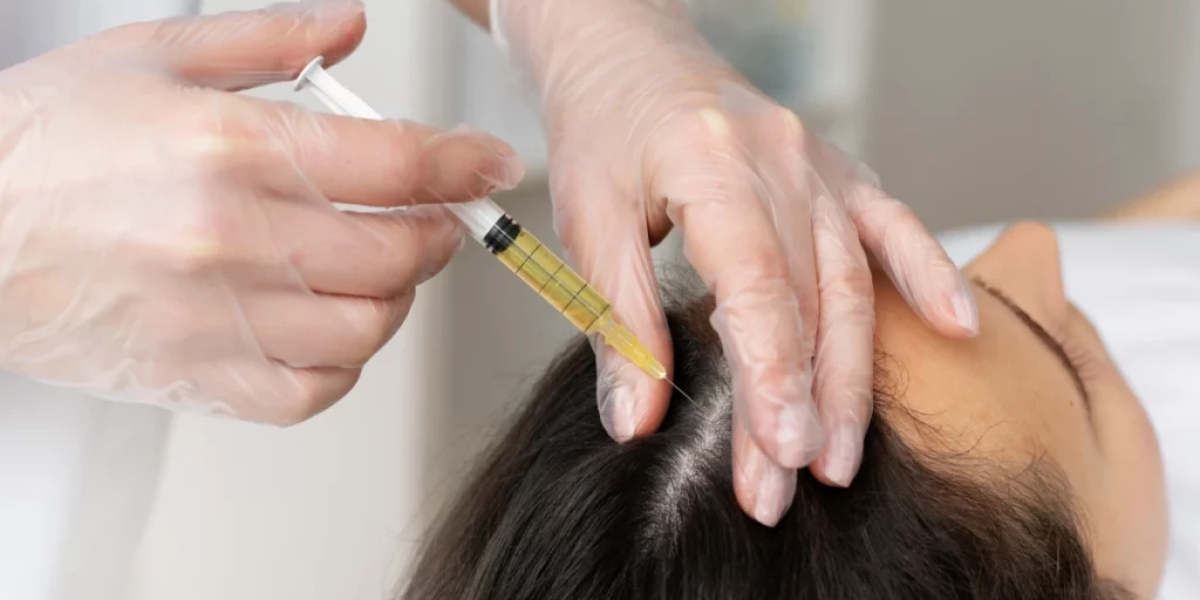
PRP (Platelet-Rich Plasma) therapy involves three main steps: drawing a small amount of blood, processing it in a centrifuge to separate plasma rich in growth factors, and injecting it into targeted areas of the scalp. These injections stimulate hair follicles and improve blood circulation. While the procedure is generally quick and done under local anesthesia or numbing cream, the injection process can still cause temporary discomfort. Understanding the procedure helps explain why some side effects occur immediately after treatment, especially in sensitive individuals.
Common Side Effects of PRP Hair Treatment:
Most side effects of PRP are mild and short-lived, resolving within a few hours to a couple of days. These reactions are typically related to the injection process rather than the plasma itself. Common side effects include:
- Mild pain or soreness at injection sites
- Redness and swelling on the scalp
- Temporary itching or tenderness
- Minor headache or tightness in the scalp
- Small bruises where injections were administered
These effects usually fade quickly and do not require medical intervention. Applying cold compresses and avoiding scalp irritation can help speed up recovery.
Temporary Hair Shedding After PRP:
One of the less commonly discussed side effects is temporary hair shedding after PRP treatment. Some patients may notice increased hair fall within the first few weeks after the session. This can be alarming, but it is often part of the natural hair growth cycle adjustment. The shedding occurs as weaker hairs are pushed out to make way for stronger, newly stimulated strands. Key points include:
- Shedding is usually temporary and resolves within weeks
- It indicates follicle activity and regeneration
- Not all patients experience this effect
- It is more common in individuals with active hair thinning
While it may feel discouraging initially, this phase is often followed by gradual improvement in hair density.
Rare and Less Common Side Effects:
Although PRP is considered low risk, there are a few rare side effects that can occur, especially if the procedure is not performed under sterile conditions or by a trained professional. These include:
- Scalp infection due to improper sterilization
- Prolonged swelling or inflammation
- Dizziness or lightheadedness during or after blood draw
- Allergic-like reactions (extremely rare since PRP uses your own blood)
- Minor nerve sensitivity or tingling sensation
These complications are uncommon but highlight the importance of choosing a qualified and experienced practitioner.
Who Is More Likely to Experience Side Effects:
Not everyone responds to PRP in the same way, and certain factors can increase the likelihood of side effects. Individuals with sensitive skin or underlying health conditions may experience stronger reactions. Risk factors include:
- Low pain tolerance or sensitive scalp
- History of migraines or headaches
- Blood clotting disorders
- Use of blood-thinning medications
- Active skin infections or scalp conditions
Patients in these categories should consult a doctor carefully before undergoing treatment to assess suitability and minimize risks.
How to Reduce PRP Side Effects:
Proper preparation and aftercare can significantly reduce the chance of side effects and improve overall treatment comfort. Clinics often provide guidelines to ensure safe recovery. Helpful precautions include:
- Avoid alcohol and smoking before and after treatment
- Stay hydrated before the procedure
- Avoid washing hair for at least 24 hours after injections
- Refrain from heavy exercise for 1–2 days
- Avoid scratching or touching the scalp unnecessarily
Following these steps helps reduce irritation and supports faster healing after each session.
How Long Side Effects Last:
Most side effects of PRP hair treatment are short-term and resolve quickly. Mild soreness, redness, and swelling typically disappear within 24 to 48 hours. Bruising, if present, may take a few days to fade. Temporary shedding, if it occurs, can last a few weeks before stabilizing. Serious complications are extremely rare when the procedure is performed correctly. Overall, PRP is considered one of the safest hair restoration treatments available today, with minimal downtime compared to surgical options.
When to Seek Medical Attention:
Although side effects are usually mild, there are certain symptoms that should not be ignored. If any of the following occur, medical attention should be sought immediately:
- Severe or worsening pain after treatment
- Signs of infection such as pus, fever, or warmth in the scalp
- Persistent swelling beyond several days
- Unusual dizziness or fainting episodes
- Allergic reactions such as rash or difficulty breathing (extremely rare)
Early intervention ensures any complications are managed quickly and safely.
Final Thoughts:
PRP hair treatment is generally safe and well-tolerated, with most side effects being mild, temporary, and easy to manage. Understanding what to expect—such as soreness, redness, or short-term shedding—helps reduce anxiety and ensures a smoother treatment experience. While serious complications are rare, choosing a qualified specialist and following proper aftercare guidelines are essential for minimizing risks. For most people, the benefits of improved hair density and reduced hair thinning outweigh the temporary discomfort, making PRP a reliable option in modern hair restoration.