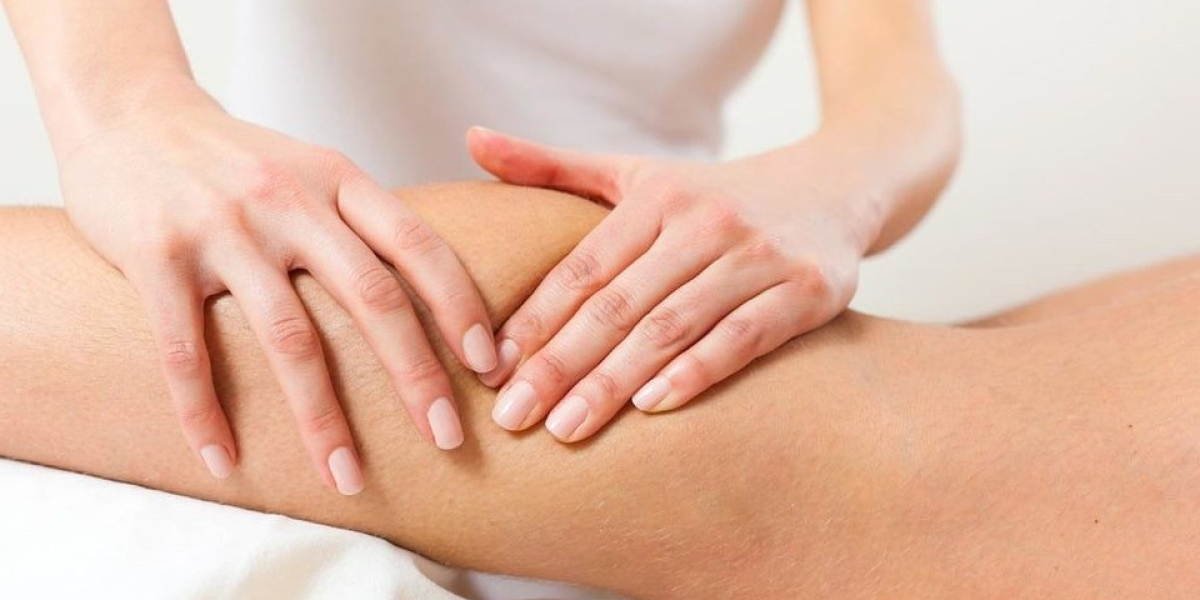

Lymphatic Drainage Therapy has gained widespread recognition for its ability to enhance circulation, reduce fluid retention, and promote overall wellness. Unlike traditional massages that focus primarily on muscle relaxation, lymphatic massage targets the lymphatic system to stimulate the movement of lymph fluid, remove toxins, and support immune function. Understanding the techniques that truly work can help individuals maximize the benefits of this therapy and achieve noticeable improvements in health and vitality.
Understanding Lymphatic Drainage Therapy:
Lymphatic Drainage Therapy is a specialized form of massage that focuses on improving lymph flow through gentle, rhythmic movements along the body’s lymphatic pathways. The therapy aims to enhance the removal of waste products, reduce swelling, and promote detoxification. Unlike deep tissue or Swedish massage, the primary goal is not muscle manipulation but stimulating the body’s natural fluid circulation. Proper technique is essential to achieve real results.
Manual Lymphatic Drainage Techniques:
Manual lymphatic drainage (MLD) is one of the most effective and widely used methods. Therapists use light, precise strokes that guide lymph fluid toward lymph nodes. Key aspects of MLD include:
- Gentle, rhythmic movements following lymph pathways
- Circular motions around major lymph node areas
- Targeted strokes to areas with fluid retention or swelling
- Slow, deliberate pacing to ensure proper fluid movement
MLD is particularly beneficial for reducing edema, post-surgical swelling, and improving skin tone.
Pumping and Compression Techniques:
Pumping and compression techniques are designed to enhance lymph flow in specific areas of the body. These methods involve:
- Light, repetitive pressure applied to limbs to stimulate lymph vessels
- Sequential compression to encourage drainage from congested areas
- Gentle pumping movements to relieve fluid buildup in the arms and legs
- Focused application for post-injury or post-surgery recovery
These techniques complement manual strokes, ensuring a more comprehensive lymphatic stimulation.
Facial Lymphatic Massage Techniques:
Facial lymphatic massage targets lymph nodes in the head, neck, and shoulders to promote detoxification and reduce puffiness. Effective techniques include:
- Circular motions around the eyes and cheeks: Minimize under-eye bags and facial swelling
- Gentle strokes along the jawline and neck: Encourage drainage toward cervical lymph nodes
- Tapping or light percussion movements: Stimulate circulation without causing irritation
- Combination of upward and outward strokes: Promote natural contouring and tone
This approach not only enhances skin appearance but also supports overall facial health.
Tools and Devices That Support Lymphatic Massage:
While manual techniques are highly effective, certain tools can enhance lymphatic drainage therapy. Common tools include:
- Massage rollers: Facilitate gentle, consistent strokes along lymphatic pathways
- Pulsed lymphatic devices: Stimulate fluid movement with light vibration
- Compression sleeves or boots: Apply sequential pressure to limbs to boost drainage
- Gua Sha or facial tools: Support lymph flow when used with light pressure
These devices, when used correctly, can augment traditional techniques and improve treatment outcomes.
Frequency and Duration for Effective Results:
Consistency and proper scheduling are critical for effective lymphatic drainage. Recommended practices include:
- Sessions lasting 30-60 minutes depending on targeted areas
- 1-2 sessions per week for therapeutic purposes or post-surgery recovery
- Maintenance sessions every few weeks for general wellness and detoxification
- Adjusting frequency based on individual response and health goals
Regular sessions ensure optimal fluid movement and long-term health benefits.
Safety Considerations:
Lymphatic Drainage Therapy is generally safe but requires precautions to prevent complications. Considerations include:
- Avoid massage if there are active infections, wounds, or fever
- Consult a healthcare provider if pregnant or managing heart, liver, or kidney conditions
- Inform the therapist of medications, allergies, or recent surgeries
- Ensure that the therapist is trained specifically in lymphatic techniques
Following these guidelines ensures effective and safe therapy.
Complementary Practices to Enhance Lymph Flow:
To maximize the benefits of lymphatic massage, integrate complementary habits into daily routines:
- Stay hydrated to support lymph circulation and detoxification
- Maintain a balanced diet rich in vitamins, minerals, and antioxidants
- Engage in gentle exercise like walking or yoga to stimulate fluid movement
- Practice deep breathing and stress management techniques
- Limit alcohol and processed foods that can hinder lymphatic efficiency
These practices reinforce the effects of lymphatic drainage therapy and promote overall wellness.
Common Misconceptions About Lymphatic Massage:
Many people misunderstand the purpose and outcomes of lymphatic massage. Important clarifications include:
- It is not a weight-loss therapy, although temporary bloating may reduce
- Immediate visible results may be subtle; consistent sessions yield cumulative benefits
- Lymphatic massage complements medical care and wellness routines, not replaces them
- Proper technique by a trained professional is essential for real benefits
Understanding these realities helps set realistic expectations and enhances satisfaction with therapy.
Final Thoughts:
Lymphatic massage techniques that actually work combine precise manual strokes, pumping, compression, and targeted facial methods to stimulate lymph flow and support overall health. Lymphatic Drainage Therapy provides measurable benefits, including reduced swelling, improved detoxification, enhanced skin tone, and overall relaxation. When integrated with proper hydration, nutrition, physical activity, and stress management, these techniques can significantly improve both short-term comfort and long-term wellness. Choosing a trained therapist and maintaining a consistent routine ensures maximum results from this gentle yet highly effective therapy.