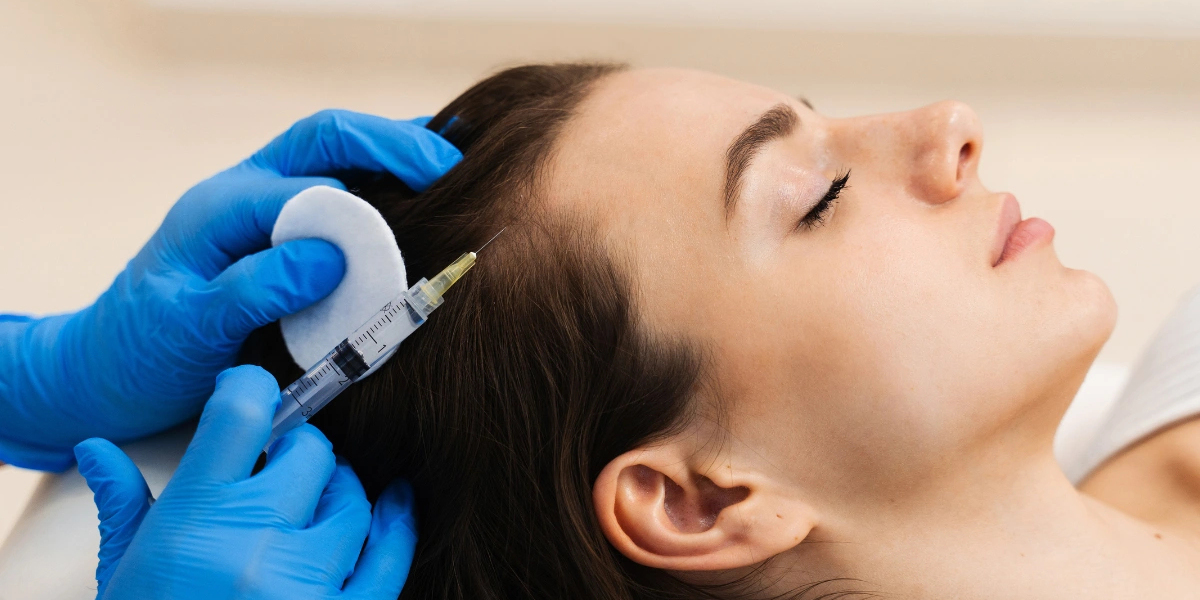

A receding hairline is a common sign of hair thinning, often caused by genetics, hormonal changes, or aging. Many individuals seek solutions to slow or reverse this process. PRP Hair Treatment has emerged as a non-surgical option that may help address receding hairlines by stimulating dormant follicles, strengthening existing hair, and improving scalp health.
How PRP Targets the Hairline:
PRP Hair Treatment involves drawing a small blood sample, processing it to concentrate platelets, and injecting the plasma into thinning areas:
Growth factors stimulate follicles along the hairline to re-enter the growth phase
Existing hair strands are strengthened, reducing breakage and shedding
Blood flow and nutrient delivery to follicles are improved
Local inflammation that may inhibit growth is minimized
This targeted approach encourages thicker, denser hair along the receding areas.
Effectiveness for Different Types of Hair Loss:
PRP is most effective for early-stage or moderate hairline recession:
Androgenetic Alopecia: Genetic hair loss can benefit if follicles are still active
Telogen Effluvium: Temporary shedding caused by stress, illness, or hormonal changes may respond well
Advanced bald patches: PRP alone is less effective; hair transplant or combination treatments may be needed
Early intervention increases the likelihood of noticeable improvement along the hairline.
Treatment Process and Timeline:
The PRP procedure is minimally invasive and typically performed in-office:
Blood is drawn and processed to isolate platelet-rich plasma
PRP is injected into the receding hairline and surrounding areas
Sessions generally last 30–60 minutes
Initial treatment usually involves 3–4 sessions spaced 4–6 weeks apart, followed by maintenance every 4–6 months
Results appear gradually, with early reduction in shedding within 1–2 months and increased thickness over 3–6 months.
Complementary Practices to Enhance Results:
Patients can maximize the benefits of PRP for a receding hairline by:
Maintaining a nutrient-rich diet to support follicle health
Staying hydrated to improve scalp circulation
Avoiding harsh chemical treatments or excessive heat styling
Managing stress through relaxation techniques or exercise
Considering adjunct therapies like topical growth agents or low-level laser therapy if recommended
Final Thoughts:
PRP Hair Treatment can help slow, and in some cases partially reverse, a receding hairline by stimulating dormant follicles, strengthening existing hair, and improving scalp health. While results are gradual and most effective in early or moderate hairline recession, consistent sessions combined with proper hair care and supportive lifestyle practices can lead to thicker, healthier hair and enhanced hairline density over time.