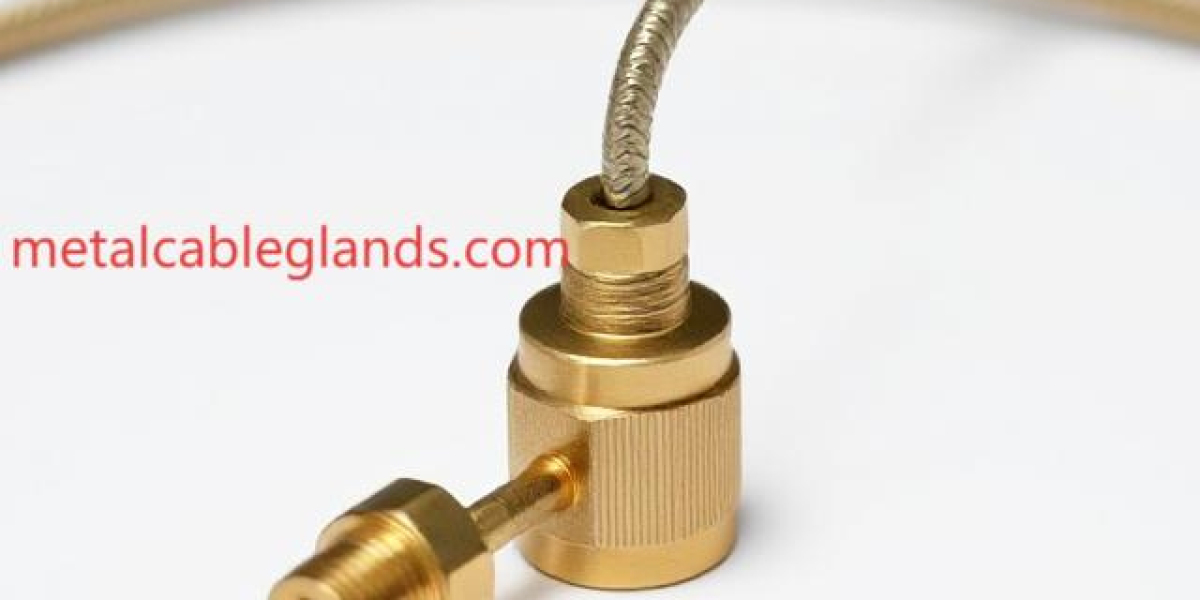

In industrial electrical systems where reliability and durability are essential, the role of cable management components becomes increasingly important. Within complex installations, a Brass Cable Gland provides a dependable method for securing and protecting cables while maintaining the integrity of electrical enclosures. By combining robust materials with precise engineering, these components help ensure that power distribution and communication systems operate safely in demanding environments.
Material selection is a fundamental factor in the performance of cable glands. Brass is widely recognized as one of the most reliable materials for electrical hardware because of its balance of strength, corrosion resistance, and durability. Unlike many other materials, brass maintains structural integrity even when exposed to moisture, industrial chemicals, or challenging outdoor environments. Its natural resistance to corrosion allows cable glands made from brass to perform consistently in environments where long-term durability is required. Additionally, brass offers excellent machinability, allowing manufacturers to create highly precise components that fit securely within electrical enclosures.
Another advantage of brass as a material is its ability to provide both mechanical stability and electrical compatibility. In many industrial systems, electrical components must operate in environments where vibrations, mechanical movement, or environmental stress are common. Brass provides the strength necessary to hold cables securely without compromising flexibility during installation. This balance between durability and adaptability makes brass an ideal material for cable glands used in heavy-duty electrical systems.
The core function of a cable gland is to secure cables while protecting internal equipment from environmental factors. A Brass Cable Gland typically provides several important functions simultaneously. One key function is strain relief, which prevents excessive mechanical stress from being transferred to electrical cables. Without proper strain relief, cables may experience damage from pulling or bending forces, potentially leading to system failure. By holding the cable firmly in place, a cable gland protects both the cable and the equipment it connects to.
Another essential function of brass cable glands is environmental sealing. Electrical enclosures often contain sensitive components that must remain protected from dust, moisture, or contaminants. Cable glands create a secure entry point for cables while maintaining the enclosure’s protective barrier. This helps ensure that internal equipment remains clean and operational even in challenging industrial environments.
Performance reliability is also influenced by the structural strength of the gland itself. Brass cable glands are capable of maintaining a secure grip on cables over long periods of operation. Their durable construction allows them to resist mechanical stress, environmental exposure, and long-term wear. This stability is particularly valuable in industries where equipment must operate continuously without frequent maintenance interruptions.
The application range of brass cable glands extends across many different industries. In manufacturing environments, they are commonly used in machinery, control cabinets, and automated production systems. Electrical panels and industrial equipment require secure cable management to maintain operational stability, and brass cable glands help ensure that cables remain protected in these demanding conditions.
Infrastructure projects also rely on reliable cable gland solutions. In commercial buildings, brass cable glands are used in electrical distribution systems, ensuring that cables entering switchboards and enclosures are protected from environmental exposure. The durability of brass makes it suitable for long-term infrastructure installations where reliability is a priority.
Energy and utility sectors also benefit from the performance of brass cable glands. Electrical equipment in these environments often operates in outdoor or industrial conditions where exposure to moisture and environmental contaminants is common. The corrosion-resistant properties of brass help maintain consistent performance, ensuring that electrical systems remain safe and operational over time.
Zhejiang Hongjuesi Connector Co., Ltd. has extensive experience in the design and manufacturing of cable connection solutions for global industries. The company focuses on producing durable cable management components that combine reliable materials with precision manufacturing processes. By applying advanced engineering techniques, Zhejiang Hongjuesi Connector ensures that its brass cable glands provide secure cable entry, strong strain relief, and long-term environmental protection for a wide range of electrical applications.
Engineers, installers, and system designers continue to rely on brass cable glands because of their proven reliability and versatile performance in demanding environments. With the right material selection and manufacturing expertise, these components contribute significantly to the safety and stability of modern electrical systems. More information about professional cable connection solutions from Zhejiang Hongjuesi Connector can be found at:
https://www.metalcableglands.com/product .