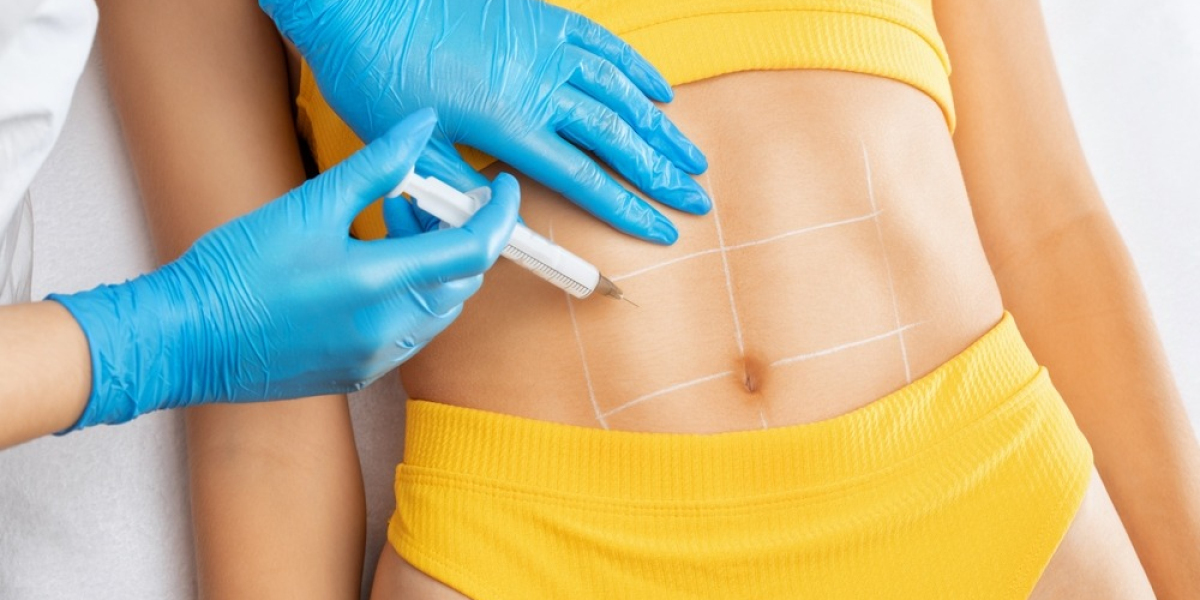

Undergoing liposuction can be transformative, but like any surgical procedure, it carries certain risks. A thorough pre-surgery checklist helps minimize complications, ensures patient safety, and sets the foundation for successful results. Proper preparation involves evaluating your health, selecting the right surgeon, and adopting habits that support optimal healing. By addressing potential risk factors ahead of time, patients can approach liposuction with confidence and peace of mind.
Choose a Qualified Surgeon:
Selecting an experienced and board-certified surgeon is the first step in reducing risks. Key points include:
Verify board certification in plastic or cosmetic surgery
Review before-and-after photos of past patients
Confirm the surgeon’s experience with the specific liposuction technique you plan to use
Ensure the surgeon operates in an accredited, fully equipped facility
A skilled surgeon minimizes complications and enhances aesthetic outcomes
Complete a Thorough Medical Evaluation:
Understanding your overall health is critical for surgical safety. Considerations include:
Provide a full medical history, including chronic conditions and past surgeries
Complete blood tests and imaging if recommended
Discuss medications, supplements, and herbal remedies that could affect healing or bleeding
Address any allergies, particularly to anesthesia or medications
Pre-operative assessments allow the surgical team to anticipate and prevent potential issues
Stop Smoking and Limit Alcohol:
Certain lifestyle habits can increase surgical risks and slow recovery. Key points include:
Avoid smoking for at least several weeks before surgery to improve circulation and oxygen delivery
Limit alcohol consumption to reduce bleeding risk and support liver function
Smoking and alcohol can impair healing and increase the risk of complications
Healthy lifestyle adjustments improve both short-term recovery and long-term outcomes
Discuss any other habits with your surgeon that could impact surgery
Prepare Medications and Supplements:
Some medications can interfere with anesthesia, bleeding, and healing. Considerations include:
Disclose all prescription and over-the-counter medications to your surgeon
Stop or adjust medications that increase bleeding risk, such as aspirin or certain anti-inflammatories, if approved
Avoid herbal supplements that may affect coagulation or interact with anesthesia
Follow your surgeon’s instructions carefully to reduce surgical risks
Proper medication management supports a safe and smooth procedure
Plan for Recovery:
Preparing for post-operative care ensures a safe and comfortable healing period. Key points include:
Arrange for a responsible adult to accompany you home and assist during the first 24–48 hours
Set up a comfortable recovery area with easy access to essentials
Stock up on nutritious foods, water, and prescribed medications
Understand activity restrictions and gradually plan your return to work or exercise
Advance planning reduces stress and promotes safer, faster recovery
Maintain a Healthy Weight and Diet:
Optimizing your body before surgery supports both safety and results. Considerations include:
Achieve a stable weight, avoiding rapid fluctuations before liposuction
Consume a balanced diet rich in protein, vitamins, and minerals
Stay well-hydrated to support skin elasticity and tissue healing
Avoid crash diets or excessive fasting that could weaken the body
A healthy body prepares you for surgery and improves overall outcomes
Review Risks and Set Realistic Expectations:
Understanding potential complications and outcomes ensures informed consent. Key points include:
Discuss risks, including swelling, bruising, infection, and contour irregularities
Understand anesthesia-related risks and how the surgical team mitigates them
Set realistic expectations regarding final results and recovery timelines
Be aware of factors such as skin elasticity and previous weight changes that influence outcomes
Knowledge and preparation help reduce anxiety and promote confidence
Final Thoughts:
Following a comprehensive pre-surgery checklist for liposuction is essential for reducing risks and achieving safe, satisfying results. From selecting a qualified surgeon and completing medical evaluations to adjusting lifestyle habits, managing medications, and preparing for recovery, every step contributes to surgical safety and optimal outcomes. By taking proactive measures, patients can minimize complications, support smooth healing, and maximize the aesthetic benefits of liposuction, ensuring both confidence and peace of mind throughout the process.