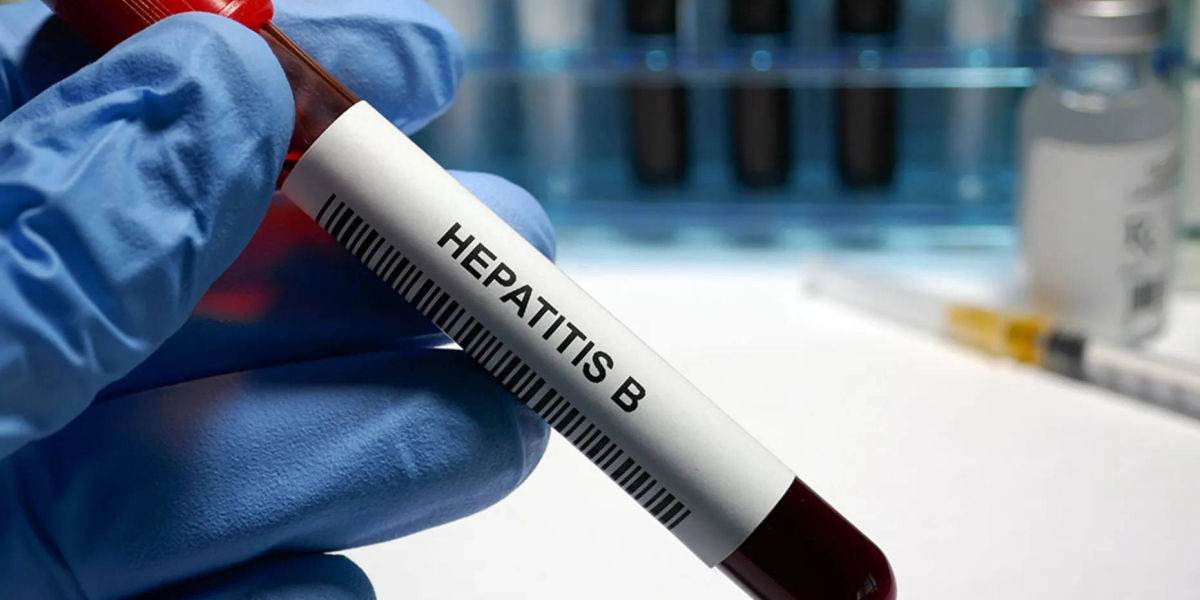

1. Why Post-Exposure Testing Is Important
Testing after exposure helps identify infection before symptoms appear, allowing healthcare providers to recommend preventive measures, antiviral therapy, or vaccinations if necessary.
2. Identifying Potential Exposure Scenarios
Exposure may occur through contact with infected blood, sexual activity with an infected partner, needlestick injuries, or sharing personal items like razors.
3. Recommended Timing for Testing
The Hepatitis B Test is typically done immediately after exposure and repeated at intervals such as 1 month, 3 months, and 6 months to ensure accurate detection.
4. Types of Tests After Exposure
HBsAg Test – Detects active infection
Anti-HBs Test – Evaluates immunity
Anti-HBc Test – Indicates past or ongoing infection
5. Importance of Early Intervention
Early detection allows for post-exposure prophylaxis (PEP), vaccination, or antiviral therapy, which can prevent infection from progressing to chronic hepatitis or liver disease.
6. Blood Sample Collection Process
A small blood sample is drawn for laboratory analysis. Certified labs follow strict procedures for blood diagnostic testing, viral hepatitis screening, and liver function evaluation.
7. Understanding Test Results
Negative – No infection detected; consider vaccination if not immune
Positive – Active infection present; follow-up monitoring required
Indeterminate – Retesting needed to confirm results
8. Follow-Up Testing and Monitoring
Repeat testing ensures the virus is accurately detected if the initial test was taken too early. Follow-up tests may include liver function tests, viral load assessment, and diagnostic blood panels.
9. Preventive Measures Post-Exposure
Use vaccination, safe practices, and lifestyle adjustments to protect liver health. Follow medical guidance on monitoring and treatment for optimal outcomes.
10. Role of Healthcare Providers
Doctors interpret post-exposure test results, advise on preventive care, and schedule follow-up testing to protect both liver health and overall wellbeing.
11. Supporting Long-Term Liver Health
Monitoring liver function after exposure, alongside preventive care and regular hepatitis screening, reduces the risk of long-term complications.
12. Final Thoughts
A Hepatitis B Test after potential exposure is vital for early detection, preventive care, and liver health protection. Timely testing, follow-up monitoring, and professional guidance ensure better outcomes and reduce the risk of chronic infection.