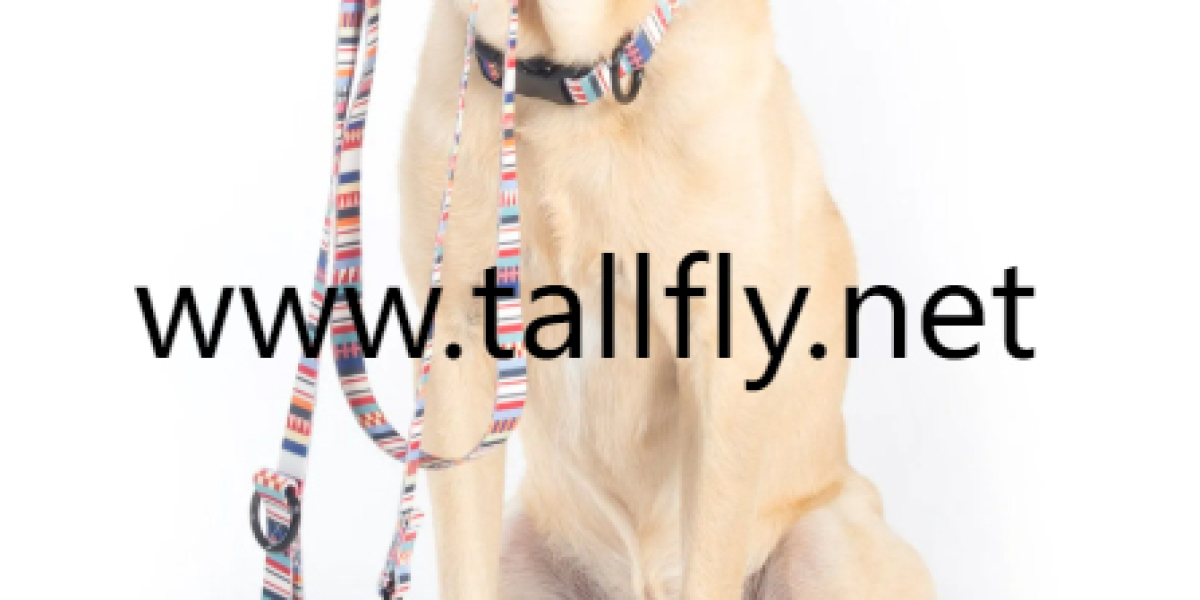

Walking beside you calmly rather than pulling frantically requires patience and consistent practice. Many new companion caregivers struggle with outdoor excursions that feel more like being dragged than enjoying peaceful strolls. Starting with an Opey Dog Leash and proper technique creates foundation for pleasant walks that both human and canine can enjoy without frustration or physical strain.
Begin training indoors where distractions remain minimal. Attach the walking equipment and allow your companion to wear it without going anywhere. Some animals react to the sensation by freezing, jumping, or trying to remove the unfamiliar attachment. Let them adjust to the feeling while offering calm reassurance and treats for relaxed behavior. This acclimation period prevents outdoor training complications caused by equipment discomfort.
Introduce movement gradually within familiar indoor spaces. Hold the line loosely and walk a few steps, encouraging your companion to follow using cheerful voice tones and small food rewards. If they walk beside you without tension, offer immediate praise. This teaches that staying near you brings positive outcomes rather than viewing the connection as restrictive or punishing.
Tension management forms the core of successful training. The moment your companion pulls ahead, stop walking completely. Stand still without yanking backward or issuing harsh corrections. Wait patiently until slack returns to the line, then resume walking. This consistent response teaches that pulling stops progress while walking calmly continues the journey. Repetition ingrains this understanding far more effectively than physical corrections that often increase pulling behavior.
Direction changes reinforce attention and responsiveness. When your companion focuses elsewhere and begins drifting away, turn and walk the opposite direction without announcement. The gentle tug created by your movement redirects their attention back toward you. Reward immediately when they reorient and catch up. This technique builds awareness that staying attentive to your position and movement brings rewards.
Start outdoor practice in quiet environments with few distractions. Front yards or empty parking areas provide transitional spaces between indoor simplicity and neighborhood complexity. Expecting immediate success amid squirrels, other animals, and interesting scents sets unrealistic expectations. Gradual exposure allows building skills before facing challenging stimuli that overwhelm developing impulse control.
Duration matters less than quality during early stages. Five minutes of attentive walking beside you proves more valuable than thirty minutes of constant pulling battles. End sessions while your companion still demonstrates success rather than waiting until both parties feel frustrated. Positive conclusions build enthusiasm for future training rather than creating negative associations with outdoor time.
Consistency across all household members prevents confusion. If one person allows pulling while another enforces calm walking, your companion receives mixed messages about acceptable behavior. Establish unified expectations and techniques that everyone implements identically. This clarity accelerates learning by eliminating contradictory feedback.
Equipment fit influences both comfort and control. Collars or harnesses that pinch, rub, or restrict movement create discomfort that manifests as resistance or pulling. Proper sizing allows two fingers to fit comfortably beneath attachments without excessive looseness permitting escape. Regular checks ensure growing puppies haven't outgrown their equipment, which happens surprisingly quickly during development periods.
Rewards timing dramatically impacts learning speed. Treats, praise, or play offered the instant desired behavior occurs creates clear associations between action and outcome. Delayed rewards lose effectiveness because your companion cannot connect the reward to the specific behavior you want repeated. Keep treats readily accessible for immediate delivery during training walks.
Environmental awareness helps anticipate challenges before they escalate. Noticing approaching distractions allows proactive management rather than reactive correction. Changing direction before your companion fixates on another animal proves easier than regaining attention afterward. This strategic approach sets both parties up for success rather than testing willpower against strong instincts.
Patience and persistence transform chaotic walks into enjoyable shared experiences. Understanding that skills develop gradually prevents discouragement during inevitable setbacks. Each walk offers opportunities for practice and improvement regardless of occasional mistakes. For quality walking equipment supporting comfortable, effective training sessions, visit https://www.tallfly.net/ to review options suited to various sizes and training stages.