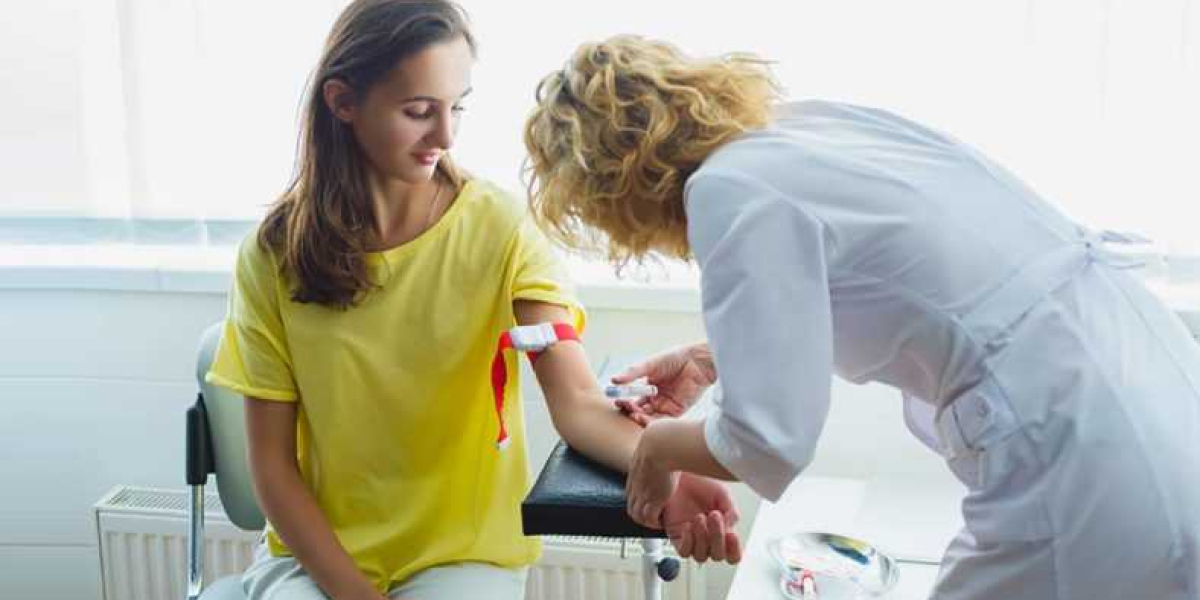

Administering medication independently can feel intimidating at first, but with the right knowledge and preparation, Injection at home can become a safe, convenient, and empowering healthcare option. Whether prescribed for chronic conditions, hormone therapy, fertility treatment, diabetes, or vitamin supplementation, home injections save time, reduce clinic visits, and give patients greater control over their care. This complete beginner’s guide explains everything you need to know—from understanding injection types to ensuring safety and proper disposal—so you can approach the process with confidence.
Understanding Different Types of Injections:
Before starting, it’s important to know that not all injections are the same; the type prescribed determines where and how the medication is administered. The most common forms include subcutaneous injections (given just under the skin, often in the abdomen or thigh), intramuscular injections (delivered into a muscle such as the upper arm, thigh, or hip), and intradermal injections (administered into the top layer of skin, though less common at home). Your healthcare provider will specify the injection type, dosage, frequency, and exact site, and following these instructions precisely is essential for effectiveness and safety.
Essential Supplies You Will Need:
Preparing the correct supplies ahead of time ensures a smooth and hygienic process, reducing the risk of infection or dosing errors. Most at-home injection routines require:
Prescribed medication (vial, ampule, or prefilled syringe)
Sterile syringes and needles in the correct size
Alcohol swabs or antiseptic wipes
Cotton balls or sterile gauze
Adhesive bandage (if needed)
Sharps disposal container
Having everything within reach before you begin helps prevent interruptions and maintains a sterile environment throughout the procedure.
Step-by-Step Preparation Process:
Proper preparation plays a critical role in safe self-administration, starting with washing your hands thoroughly with soap and water for at least 20 seconds and drying them with a clean towel. Next, inspect the medication to ensure it is clear (unless otherwise indicated), free of particles, and not expired; then clean the rubber stopper of the vial with an alcohol swab if applicable, draw the prescribed dose into the syringe while removing air bubbles by gently tapping and pushing the plunger slightly upward, and select the recommended injection site, cleaning it with a fresh alcohol swab in a circular motion before allowing it to air dry completely to minimize stinging and infection risk.
How to Administer the Injection Safely:
Administering the shot correctly depends on the injection type, but generally involves holding the syringe like a pencil, positioning it at the proper angle (usually 45 to 90 degrees for subcutaneous and 90 degrees for intramuscular), inserting the needle swiftly yet gently into the cleaned skin, pressing the plunger steadily to deliver the medication, withdrawing the needle at the same angle, and applying light pressure with gauze afterward; rotating injection sites regularly is important to prevent irritation, bruising, or tissue damage, and staying calm by taking slow, steady breaths can significantly reduce discomfort during the process.
Common Mistakes to Avoid:
Beginners often experience anxiety, which can lead to small but preventable errors such as skipping handwashing, forgetting to remove air bubbles, injecting into the same site repeatedly, using incorrect needle sizes, or disposing of sharps improperly; avoiding these mistakes improves both comfort and safety, and carefully reviewing your provider’s demonstration or instructional materials before each attempt can reinforce proper technique and build long-term confidence.
Managing Pain and Anxiety:
Fear of needles is common, but there are several simple strategies that make the experience more comfortable, including allowing refrigerated medication to reach room temperature before injection (if permitted), relaxing the targeted muscle to reduce resistance, using a quick and decisive motion rather than hesitating, applying a cold pack briefly before or after the injection to reduce soreness, and practicing relaxation techniques such as deep breathing or guided visualization to stay calm and steady throughout the process.
Safe Disposal of Used Needles:
Proper disposal is a crucial component of responsible Injection at home practices, as used needles and syringes should never be thrown into regular trash due to the risk of injury and contamination; instead, immediately place them into an FDA-cleared or puncture-resistant sharps container, keep the container out of reach of children and pets, and follow your local pharmacy or municipal guidelines for safe disposal or drop-off programs once the container is full.
When to Seek Medical Advice:
While most at-home injections are straightforward, certain warning signs require professional attention, including severe pain during injection, persistent redness or swelling at the site, signs of infection such as warmth or pus, allergic reactions like rash or difficulty breathing, dizziness or fainting, or uncertainty about dosage and technique; contacting your healthcare provider promptly ensures that complications are addressed early and that your treatment plan remains both safe and effective.
Benefits of Home-Based Injection Therapy:
Choosing to administer prescribed medication independently offers numerous advantages beyond convenience, such as saving travel time to clinics, reducing healthcare costs in some cases, maintaining privacy, increasing adherence to treatment schedules, building self-reliance in managing chronic conditions, and improving overall flexibility in daily life, all of which contribute to better long-term health outcomes when performed correctly and consistently.
Final Thoughts.
Learning to perform self-injections may feel overwhelming at first, but with proper instruction, preparation, and consistent practice, it becomes a manageable and routine part of personal healthcare. Understanding the correct technique, maintaining strict hygiene, rotating injection sites, and disposing of sharps responsibly are the foundations of safe and effective treatment. If you ever feel unsure, consult your healthcare provider for clarification or a refresher demonstration. With patience and care, administering injections at home can transform from a source of anxiety into a confident step toward greater independence and well-being.