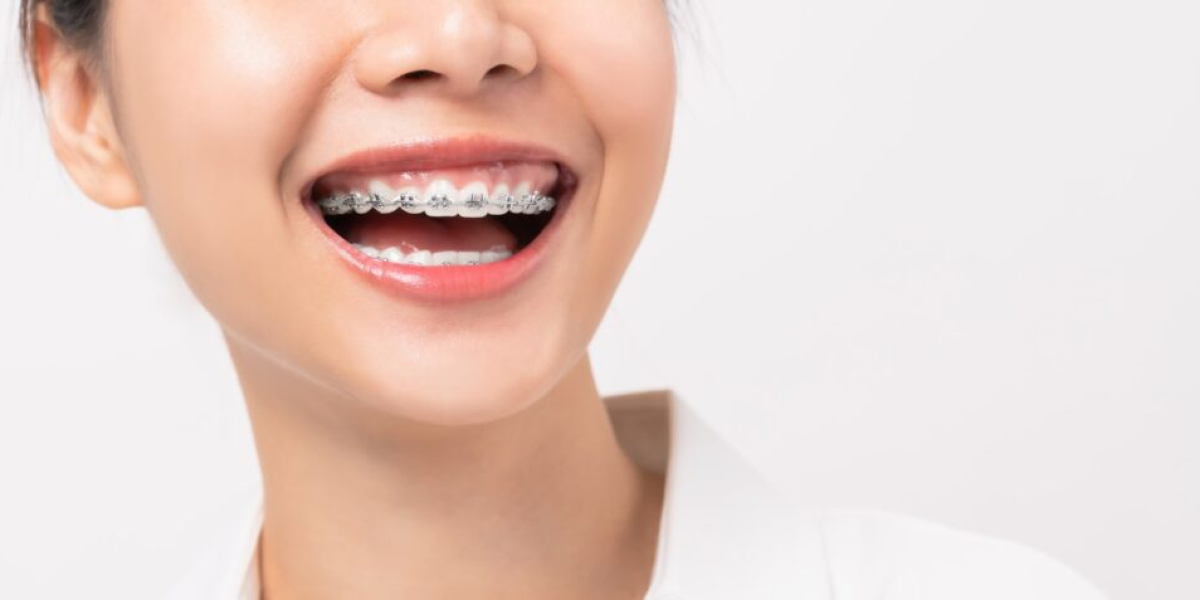

A healthy smile is about so much more than just the appearance of straight teeth. The way the upper and lower teeth fit together, known as the bite, plays a fundamental role in overall oral health and daily comfort. When this fit is off, it can lead to a host of issues, from difficulty chewing to unusual wear on the teeth. Dental Braces in Dubai remain one of the most effective and reliable solutions for correcting bite problems, offering a path to improved function and a healthier mouth. This guide explores everything one needs to know about using braces to achieve a properly aligned bite.
Understanding Malocclusion: What Is a Bad Bite?
The term malocclusion is used to describe a misalignment of the teeth and jaws. In a perfect bite, the upper teeth fit slightly over the lower teeth, and the points of the molars fit into the grooves of the opposite molars. When this relationship is disrupted, a malocclusion exists. These irregularities are not merely cosmetic; they represent a functional issue that can impact long-term health. Genetics often plays a significant role in determining jaw size and tooth eruption patterns, but habits like thumb-sucking or prolonged use of a pacifier can also contribute to the development of a bad bite.
Common Types of Bite Issues
Bite problems come in various forms, each affecting the mouth differently. An overbite is one of the most frequent issues, where the upper front teeth overlap the lower front teeth excessively. This can cause the lower teeth to bite into the roof of the mouth. An underbite is the opposite, where the lower teeth protrude past the upper teeth, often giving the chin a more prominent appearance. A crossbite occurs when some of the upper teeth close inside the lower teeth, rather than outside, which can involve a single tooth or a group of teeth. Finally, an open bite means that when the back teeth are closed, there is a gap between the upper and lower front teeth, making it difficult to bite into foods.
How Braces Work to Correct the Bite
Braces function on a simple yet powerful biological principle: consistent, gentle pressure over time can move teeth through bone. The mouth is a dynamic environment, and the bone that holds the teeth in place is constantly remodeling in response to pressure. Braces harness this natural process to guide teeth into their ideal positions.
The Role of Brackets and Wires
The primary components of traditional braces are the brackets and the archwire. Brackets are small squares bonded directly to the front of each tooth. These act as handles, holding the archwire in place. The archwire is the main engine of the system. It is threaded through each bracket and exerts a steady force on the teeth, gently pushing or pulling them in the desired direction. As the teeth begin to move, the wire is periodically tightened or changed to continue the progression toward a corrected bite.
The Support of Elastics
While brackets and wires move the teeth, elastics, or rubber bands, are often crucial for correcting the bite itself. These small bands are hooked onto specific brackets, usually connecting an upper tooth to a lower tooth. Their job is to apply additional force to shift the position of the jaw or to move the entire dental arch. Wearing elastics as instructed is one of the most important parts of bite correction, as they address the relationship between the upper and lower jaws, which brackets alone cannot fully achieve.
The Journey to a Corrected Bite
Embarking on orthodontic treatment with braces is a process that unfolds in stages. It is a journey that requires patience and commitment, but the result is a bite that functions harmoniously.
The Initial Consultation and Planning
The first step is a comprehensive evaluation. This involves a thorough examination of the teeth and jaws, along with taking X-rays and photographs. These diagnostic records allow for a detailed analysis of the underlying skeletal structure and the exact nature of the bite problem. Impressions or digital scans of the teeth are also taken to create a precise model of the mouth. Based on this information, a customized treatment plan is developed, outlining the specific movements required to achieve a proper bite.
The Active Treatment Phase
This is the period when the braces are worn and the teeth are actively moving. Throughout this phase, regular adjustment appointments are necessary. During these visits, the orthodontist will change the archwires or add new bends to continue guiding the teeth. Patients will also be given elastics to wear, with instructions on how often and in what configuration to use them. This phase requires a partnership between the patient and the treatment team, as diligent care and compliance with wearing elastics are vital for staying on track.
The Importance of Retention
Once the braces are removed and the bite looks perfect, the biological work is not quite finished. The teeth have a strong "memory" and will try to shift back to their original positions. To prevent this, a retention phase is essential.
Wearing Retainers
Retainers are custom-made appliances, either fixed or removable, designed to hold the teeth in their new, corrected positions. For the first several months after braces are removed, retainers usually need to be worn full-time. Eventually, most people can transition to wearing them only at night. Consistent retainer wear is the only way to ensure the bite correction is stable and long-lasting, protecting the investment of time and effort made during active treatment.
Frequently Asked Questions
Many people have common questions and concerns when considering braces for a bite issue. Here are answers to some of the most frequent inquiries.
At what age should someone consider braces for bite correction?
Orthodontic treatment is effective for patients of all ages. While children and teenagers are often ideal candidates because their jaws are still growing and can be more easily guided, there is no age limit for adults. Adult teeth move in the same way as children's teeth, making it possible to correct a bite at any stage of life.
How long does treatment typically take?
The duration of treatment varies greatly depending on the severity of the bite problem. Minor corrections might take around a year, while more complex cases involving significant jaw misalignment can take two years or longer. The treatment plan created at the initial consultation will provide a personalized timeline.
Will having braces be very noticeable?
Traditional metal braces are the most common and are much smaller and more comfortable than in decades past. For those concerned with appearance, there are also tooth-colored ceramic braces that blend in more with the natural smile. Clear aligner therapy is another option for some, though its suitability depends entirely on the complexity of the bite issue being treated.
Is it painful to get braces?
Getting braces placed does not hurt. There will be a period of adjustment afterward as the teeth begin to move. For a few days after the initial placement and after subsequent adjustment appointments, the teeth and mouth may feel sore or tender. This discomfort is temporary and typically manageable with over-the-counter pain relief and a diet of softer foods.
Can bite correction improve overall health?
Yes, absolutely. Correcting a bad bite can have significant positive effects on overall well-being. A proper bite allows for more efficient chewing, which aids in digestion. It also reduces strain on the jaw joints and muscles, alleviating symptoms of temporomandibular joint disorders like jaw pain and headaches. Enfield Royal Clinic Dubai furthermore, straight teeth are easier to clean, reducing the risk of tooth decay and gum disease.