
Introduction
Proper foot function is the foundation of overall body health. Biomechanics orthotics are specially designed devices that correct abnormal foot mechanics, improve posture, and prevent injury. Clinics like Podo London provide comprehensive assessments to evaluate gait, foot structure, and movement patterns, allowing for precise orthotic design. Whether you suffer from chronic foot pain, joint discomfort, or require enhanced athletic performance, biomechanics orthotics address the root causes of dysfunction, offering long-term relief, improved mobility, and enhanced comfort in daily life.
What Are Biomechanics Orthotics?
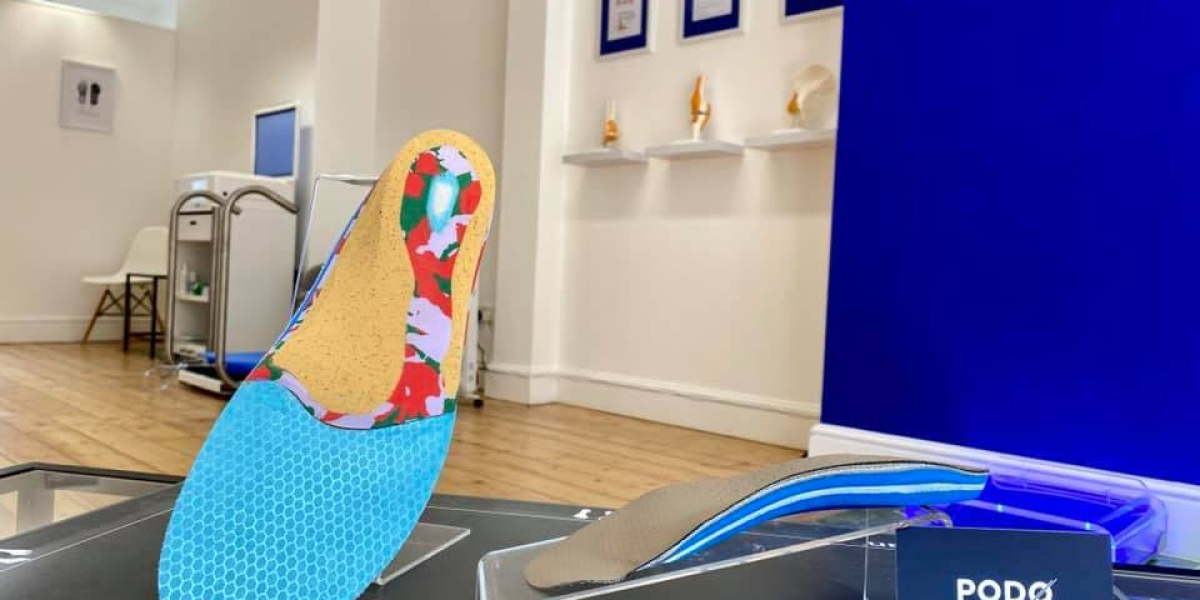
Biomechanics orthotics are custom-made inserts or supports designed to correct inefficient foot and lower-limb movement patterns. Unlike standard insoles, these orthotics are tailored to each patient’s foot anatomy, gait, and lifestyle. By analysing how the feet, ankles, knees, and hips interact during movement, clinics like Podo London can prescribe orthotics that redistribute pressure, align joints, and improve stability. They help alleviate pain, prevent overuse injuries, and enhance walking or running efficiency, making them an essential tool for maintaining optimal foot and body function.
The Role of Biomechanics in Orthotic Design
Biomechanics is the science of movement, examining how forces are applied to muscles, bones, and joints. When combined with orthotic prescription, biomechanics ensures that the devices address the specific dysfunctions in gait, posture, and alignment. At Podo London, clinicians perform gait and biomechanical assessments to identify overpronation, supination, or abnormal loading patterns. Using this data, custom orthotics are designed to correct these inefficiencies, providing structural support, pain relief, and improved long-term mobility.
Why Choose Biomechanics Orthotics?
Custom biomechanics orthotics provide a targeted solution for patients with pain, alignment issues, or movement inefficiencies. Unlike generic insoles, they are based on precise biomechanical analysis, ensuring that the orthotic supports your unique foot structure and gait. At Podo London, orthotics are combined with rehabilitation exercises, footwear guidance, and posture correction strategies to maximise benefits. Patients experience improved stability, reduced joint strain, and enhanced athletic performance. Early intervention with biomechanics orthotics can prevent future injury and support lifelong foot health.
Conditions Treated with Biomechanics Orthotics
Plantar Fasciitis
Chronic heel pain often stems from overloading the plantar fascia. Biomechanics orthotics correct abnormal foot mechanics, redistribute pressure, and reduce strain, providing effective pain relief and preventing recurrence.
Achilles Tendinopathy
Orthotics can alleviate stress on the Achilles tendon by correcting gait inefficiencies. Clinics like Podo London combine orthotics with strengthening and rehabilitation programs to restore tendon health and prevent re-injury.
Flat Feet and Overpronation
Excessive inward rolling of the foot causes strain on the lower limb. Biomechanics orthotics support arches, improve alignment, and reduce stress on knees and hips.
High Arches and Supination
High arches reduce natural shock absorption. Orthotics redistribute pressure, enhance cushioning, and improve balance to prevent pain in the feet, calves, and lower limbs.
Knee, Hip, and Back Pain
Foot mechanics influence the entire kinetic chain. Biomechanics orthotics correct abnormal gait patterns, improving posture and reducing strain on knees, hips, and the lower back.
Sports Injuries
Athletes often develop overuse injuries due to inefficient movement patterns. Biomechanics orthotics optimise performance, enhance stability, and reduce injury risk in runners, footballers, and other active individuals.
Arthritis and Joint Degeneration
Joint pain and stiffness are worsened by improper foot mechanics. Orthotics provide support, reduce stress, and improve mobility for patients with arthritic conditions.
How Biomechanics Orthotics Are Prescribed
Initial Consultation
The process begins with a detailed discussion of symptoms, lifestyle, and goals. Clinicians at Podo London review your medical history and identify factors contributing to foot or lower-limb dysfunction.
Gait and Biomechanical Assessment
Advanced technology, including video gait analysis, pressure mapping, and motion capture, evaluates how your feet and legs move during walking or running. This assessment identifies inefficiencies, asymmetries, and abnormal loading patterns.
Foot and Posture Examination
Clinicians assess arch height, joint flexibility, muscle strength, and overall posture. Understanding the relationship between the feet and the rest of the body ensures the orthotics address root causes.
Orthotic Design
Using the data collected, Podo London creates custom biomechanics orthotics tailored to your foot structure, gait, and daily activities. Orthotics may be rigid, semi-rigid, or soft, depending on the patient’s needs.
Fitting and Adjustment
Orthotics are carefully fitted to ensure comfort and effectiveness. Follow-up appointments allow adjustments to maximise support, relieve pain, and correct alignment issues.
Rehabilitation Integration
Orthotics are most effective when combined with strengthening exercises, posture correction, and footwear guidance. Patients receive a comprehensive program to optimise long-term foot function.
Benefits of Biomechanics Orthotics
Pain Relief
Orthotics reduce strain on muscles, ligaments, and joints, alleviating pain from plantar fasciitis, Achilles tendinopathy, and lower-limb discomfort.
Improved Alignment
Correcting foot mechanics improves posture and alignment throughout the kinetic chain, reducing secondary injuries and musculoskeletal stress.
Injury Prevention
By addressing abnormal gait patterns, biomechanics orthotics help prevent overuse injuries, stress fractures, and joint degeneration.
Enhanced Athletic Performance
Athletes benefit from improved balance, stability, and energy efficiency, enhancing performance in running, jumping, and other dynamic activities.
Long-Term Mobility
Orthotics support sustainable movement patterns, improving daily comfort and maintaining foot, ankle, and lower-limb health over time.
Technology in Biomechanics Orthotics
Pressure Mapping
Identifies areas of high pressure on the feet and guides the redistribution of forces through custom orthotic design.
3D Foot Scanning
Captures detailed foot shape and contours to create perfectly fitted orthotics that enhance comfort and support.
Motion Capture
Analyses joint angles, stride, and foot strike patterns for precise orthotic prescription.
Video Gait Analysis
Provides a visual assessment of walking and running mechanics to detect inefficiencies and asymmetries.
Who Can Benefit from Biomechanics Orthotics?
Athletes
Runners, footballers, and other athletes use orthotics to improve performance, reduce fatigue, and prevent injury.
Office Workers
Individuals who spend long periods standing or sitting can benefit from orthotics to reduce strain and improve comfort.
Older Adults
Orthotics support mobility, reduce fall risk, and alleviate age-related pain in the feet, knees, and hips.
Children
Early intervention addresses flat feet, abnormal gait, and postural issues, supporting healthy musculoskeletal development.
Patients with Chronic Conditions
Arthritis, tendon injuries, and plantar fasciitis patients benefit from orthotics that redistribute pressure and improve foot function.
Rehabilitation and Exercise Integration
Orthotics work best when combined with strengthening, stretching, and balance exercises. Clinicians at Podo London design tailored rehabilitation programs to address muscle imbalances, improve flexibility, and optimise gait efficiency. Exercises complement orthotic support, ensuring long-term correction of abnormal movement patterns.
Footwear Guidance and Orthotics
Proper footwear enhances orthotic effectiveness. Clinics review shoes for fit, support, and functionality, recommending everyday, sports, or work-specific footwear to reduce strain and maintain foot health.
Preventive Care with Biomechanics Orthotics
Regular monitoring and adjustment of orthotics help maintain optimal foot function, prevent overuse injuries, and support long-term mobility. Preventive care includes gait assessments, posture evaluation, exercise programs, and footwear advice.
Choosing the Right Clinic for Biomechanics Orthotics
When selecting a clinic for biomechanics orthotics, consider clinician qualifications, availability of advanced diagnostic tools, personalised treatment plans, orthotic fabrication services, and follow-up support. Podo London combines expertise with modern technology, providing accurate assessments and effective, tailored orthotic solutions for patients of all ages and activity levels.
Cost and Value of Biomechanics Orthotics
While custom orthotics may involve an initial investment, the long-term benefits are significant. Accurate diagnosis, tailored orthotic support, rehabilitation, and preventive strategies reduce pain, prevent injury, and maintain mobility. Investing in biomechanics orthotics ensures sustainable foot health, improved posture, and overall well-being.
Conclusion
Biomechanics orthotics provide a personalised solution for foot, ankle, knee, and hip problems, correcting abnormal gait patterns and improving overall mobility. Clinics like Podo London combine advanced biomechanical assessments, custom orthotic fabrication, rehabilitation programs, and footwear guidance to deliver long-term results. Whether you are seeking pain relief, injury prevention, or performance optimisation, biomechanics orthotics offer an effective, evidence-based solution. Early assessment and intervention ensure lasting benefits, better posture, and optimal foot function.
FAQs
What Are Biomechanics Orthotics?
Custom devices designed to correct abnormal foot mechanics, improve gait, and prevent injury.
Are Biomechanics Orthotics Painful?
No, they are designed to provide comfort, support, and alignment correction without causing discomfort.
How Long Does It Take to Adjust to Orthotics?
Most patients adapt within a few days to weeks, depending on activity level and severity of dysfunction.
Who Can Benefit from Orthotics?
Athletes, older adults, office workers, children, and anyone experiencing foot or lower-limb pain can benefit.
How Are Orthotics Made?
After a detailed biomechanical assessment, custom orthotics are designed using 3D foot scanning, pressure mapping, and gait analysis to ensure a precise fit.