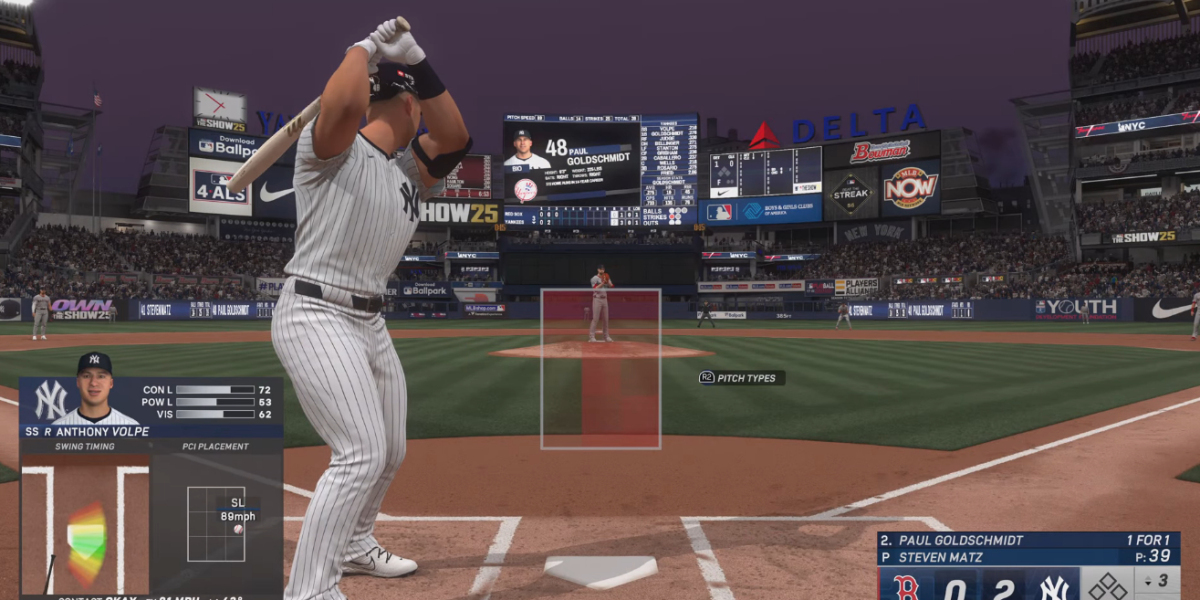

In MLB The Show 26, the introduction of new attribute splits has made a significant change to the way we approach our teams and strategies. These updates allow for more nuanced decision-making, whether you're choosing players, making trades, or optimizing your roster. This guide will walk you through what these splits mean, how they affect gameplay, and how you can adjust your strategy to make the most of these changes.
What Are Attribute Splits?
In previous versions of MLB The Show, each player had a single attribute value for things like contact, power, speed, and fielding. However, in MLB The Show 26, these attributes have been split into two categories: vs. Right and vs. Left. This means that players now have different ratings for how well they perform against right-handed pitchers versus left-handed pitchers.
For example, a batter may have a 90 contact rating against righties but only an 80 against lefties. Similarly, a power hitter might have 100 power against right-handed pitchers but only 85 power against lefties. This split gives more detail to player performance, making it more realistic and strategic.
How Do Attribute Splits Affect Your Lineup?
The new splits impact how you build your lineup, particularly in terms of platooning players. In previous years, you'd often just choose your best hitters, regardless of handedness. But now, you'll need to think about matchups much more carefully.
If you have a right-handed batter who struggles against left-handed pitchers, you might decide to put a left-handed batter in for specific games or situations where a lefty is on the mound. Similarly, a right-handed pitcher might struggle against left-handed batters, so you could rotate in a lefty-heavy lineup to take advantage of that weakness.
For instance, let's say you're facing a strong left-handed pitcher. If your lineup features a power hitter who has 90 power against right-handed pitchers but only 70 against lefties, you might want to bench them in favor of someone with a higher split against left-handers. Making these decisions on the fly can give you an edge, especially in tight games or high-stakes situations.
How Does This Affect Your Pitching Strategy?
Pitchers now also have split ratings based on the handedness of the batter they're facing. A right-handed pitcher may have great success against right-handed batters but struggle when facing left-handed hitters. On the flip side, some pitchers are effective against left-handed hitters but get crushed by right-handed batters.
This change gives you more control over how you set your pitching rotation and bullpen. For example, if you know a key opponent has several batters with strong splits against right-handed pitchers, you might choose to start a left-handed pitcher in that matchup. It’s about finding the right balance between your pitchers' strengths and the opposing team's weaknesses.
You'll also want to pay closer attention to your bullpen usage. If a left-handed pitcher is getting shelled by a lineup of right-handed batters, you might need to make an early call for a reliever who fares better against righties. This adds a layer of tactical depth to managing games.
How Do Attribute Splits Impact Team Building?
Building a roster is now more about finding balance than simply having the best overall players. With MLB The Show 26 stubs fast delivery, you can quickly get the players you need to fill gaps in your roster, whether it’s for better splits or to maximize your lineup against certain matchups.
If you're building your team for a long season, you’ll need a combination of players who can perform well against both right-handed and left-handed pitchers. That means finding a balance between players who excel against righties and those who thrive against lefties.
For example, you may opt for a platoon system where you have a right-handed batter for games against right-handed pitchers and a left-handed batter for games against left-handed pitchers. Having versatile players who can perform well in both situations is key to success in MLB The Show 26.
How Does This Change the Way We Think About Bench Players?
With these new attribute splits, bench players are more important than ever. In past versions, bench players might have been largely a backup for injuries or late-game substitutions. Now, they can be crucial for maximizing your lineup’s potential.
Imagine you're facing a tough left-handed pitcher in a key game. You can bring in a pinch hitter who has a much better split against lefties than your starting player. This gives you an advantage without having to overwork your starters or drastically change your lineup.
Similarly, you might want a bench player who is particularly strong against right-handed pitchers for those late-game situations where you need a clutch hit. Knowing when to swap in these players based on matchups can be the difference between winning and losing.
How Can You Use Attribute Splits in Online Play?
In MLB The Show 26, online play is a whole different animal. Your opponent might adjust their lineup and pitching based on their knowledge of the splits. To outsmart them, you need to be just as prepared.
When playing against others, you should pay close attention to your opponent’s roster and see if they’ve adjusted their lineup for certain splits. You may notice a trend where they favor certain types of pitchers or batters against specific handedness, so counteracting their moves will be vital.
For instance, if you notice that your opponent tends to stack their lineup with left-handed batters against right-handed pitchers, you could counter with a left-handed starter or bullpen arm. The same goes for your batting lineup — if your opponent is pitching with a lefty, you may want to swap in a few right-handed power hitters to take advantage of their splits.
Are There Any Drawbacks to the Attribute Splits?
While the attribute splits offer a lot of strategic depth, there are a couple of drawbacks. First, they add complexity to roster management. It’s no longer just about picking the best players; you need to carefully plan out your lineups based on matchups, which can be a bit overwhelming for newer players or those who prefer simpler strategies.
Additionally, if you’re trying to balance multiple lineups for different situations, you’ll have to frequently swap players in and out. This can get time-consuming, especially if you’re playing multiple games in a short time. The key is finding a good rhythm and understanding when it’s worth making those changes.
The introduction of attribute splits in MLB The Show 26 offers a more detailed, realistic approach to team building and strategy. You’ll need to consider your players’ performances against right-handed and left-handed pitchers, adjust your lineup and pitching strategy, and make smarter decisions in both offline and online play.
Understanding how to use MLB The Show 26 stubs fast delivery to build a roster that exploits these splits can make a big difference in your overall performance. Whether you're focused on getting the right players for your team or mastering matchups in-game, the new attribute system gives you plenty of ways to gain an edge. So, take time to explore these changes and adjust your approach. The more you work with them, the better you’ll get at building and managing a winning team.