
In the modern power transmission and distribution industry, the choice of overhead conductors plays a crucial role in ensuring efficient, reliable, and long-lasting electrical supply. Among various conductor types, AAC cables (All Aluminum Conductors) have gained widespread acceptance due to their lightweight design, excellent conductivity, and cost-effectiveness. For engineers, EPC contractors, and procurement professionals, selecting the right AAC cable supplier is critical to meet performance, safety, and project timelines.
HNBF Power, a global leader in overhead conductors and power cables, offers a comprehensive range of AAC cables designed to meet international standards and the demanding requirements of utility, industrial, and commercial projects. In this guide, we will explain the key features, benefits, applications, and technical considerations of AAC cables, along with why HNBF Power should be your trusted partner.
What is an AAC Cable?
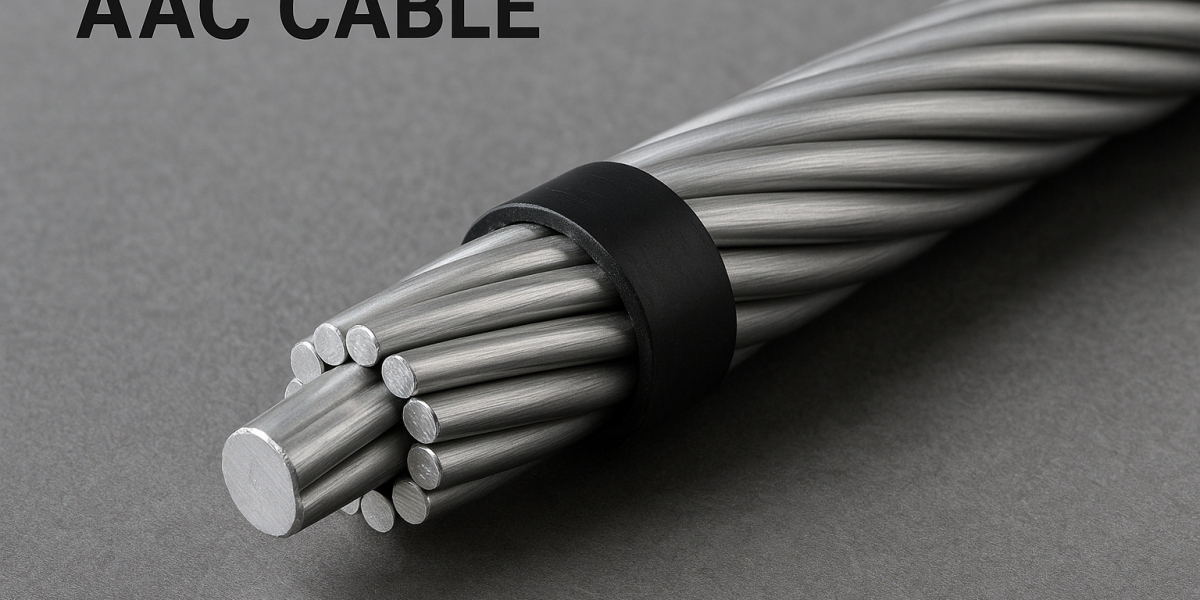
AAC (All Aluminum Conductor) is a type of overhead electrical conductor composed entirely of aluminum strands. It is known for its lightweight, high conductivity, and resistance to corrosion. Unlike ACSR cables, AAC does not have a steel core, which makes it ideal for short to medium-span electrical distribution where high tensile strength is not the primary requirement.
Key Characteristics of AAC Cables:
100% aluminum strands
Lightweight and easy to install
Excellent conductivity for low to medium voltage lines
Corrosion-resistant, especially in non-coastal environments
Cost-effective for urban and rural electrical distribution
Benefits of Using AAC Cables
Choosing the right conductor directly impacts the efficiency and reliability of the power system. Here are the main advantages of AAC cables:
1. Lightweight and Easy Handling
AAC cables are significantly lighter than other conductors, such as ACSR, making transportation and installation easier. This reduces the overall labor and equipment cost for utility projects.
2. Excellent Electrical Conductivity
Aluminum is known for its high conductivity, which ensures minimal power loss over distribution networks. This makes AAC cables highly efficient for medium voltage lines.
3. Corrosion Resistance
The all-aluminum construction provides natural resistance to atmospheric corrosion, increasing the lifespan of overhead distribution systems.
4. Cost-Effective Solution
Compared to copper or steel-reinforced conductors, AAC cables offer a balance of performance and affordability, making them ideal for large-scale utility projects.
Applications of AAC Cables
AAC cables are widely used across various sectors due to their reliability and performance:
Urban Power Distribution: Ideal for city grids with medium-span lines.
Rural Electrification Projects: Lightweight and easy-to-install conductors for remote areas.
Industrial Connections: Suitable for factory and industrial electrical networks.
Temporary Power Lines: Can be used for construction or event-based temporary power setups.
HNBF Power ensures all AAC cables meet international standards, providing superior quality and performance for every application.
Technical Considerations
When selecting an AAC cable for your project, engineers and procurement teams must consider:
Conductor Size & Current Capacity: Choose the right cross-sectional area based on load and line voltage.
Ambient Conditions: AAC is suitable for non-coastal areas; in coastal zones, consider AAAC for better corrosion resistance.
Installation Span: Evaluate the span length to avoid excessive sagging or mechanical stress.
HNBF Power provides detailed technical specifications and engineering support to ensure optimal performance of every AAC cable supplied.
Why Choose HNBF Power for AAC Cables
As a global manufacturer of overhead conductors and power cables, HNBF Power is committed to delivering quality, reliability, and customized solutions. Our AAC cables are manufactured under strict quality control and comply with international standards, ensuring engineers and utility companies get products they can trust.
Key differentiators include:
Wide range of AAC cable sizes and specifications
Global manufacturing and supply capabilities
Technical support for project-specific requirements
Compliance with IEC and ASTM standards
FAQs About AAC Cables
Q1: What is the difference between AAC and ACSR cables?
A: AAC is made entirely of aluminum, focusing on conductivity and lightweight design, while ACSR has a steel core for added tensile strength and is suitable for long spans.
Q2: Can AAC cables be used in coastal areas?
A: While AAC offers some corrosion resistance, AAAC (All Aluminum Alloy Conductor) is preferred for coastal environments due to higher corrosion resistance.
Q3: What is the typical lifespan of an AAC cable?
A: With proper installation and maintenance, AAC cables can last 20–30 years in non-corrosive environments.
Q4: How do I select the right AAC cable size?
A: Cable size depends on current load, line voltage, and installation span. HNBF Power provides technical consultation to help choose the most suitable option.
Q5: Does HNBF Power offer customized AAC cable solutions?
A: Yes, HNBF Power can manufacture AAC cables tailored to your project specifications, including size, length, and packaging.
Conclusion & CTA
AAC cables remain a reliable, efficient, and cost-effective solution for medium voltage power distribution. With superior conductivity, corrosion resistance, and lightweight design, they are suitable for a variety of urban, rural, and industrial applications.
For engineers, EPC contractors, and procurement professionals seeking high-quality AAC cables, HNBF Power offers globally trusted products and customized solutions.
Contact HNBF Power today to discuss your project requirements and get tailored overhead conductor solutions that meet your technical and commercial needs.


