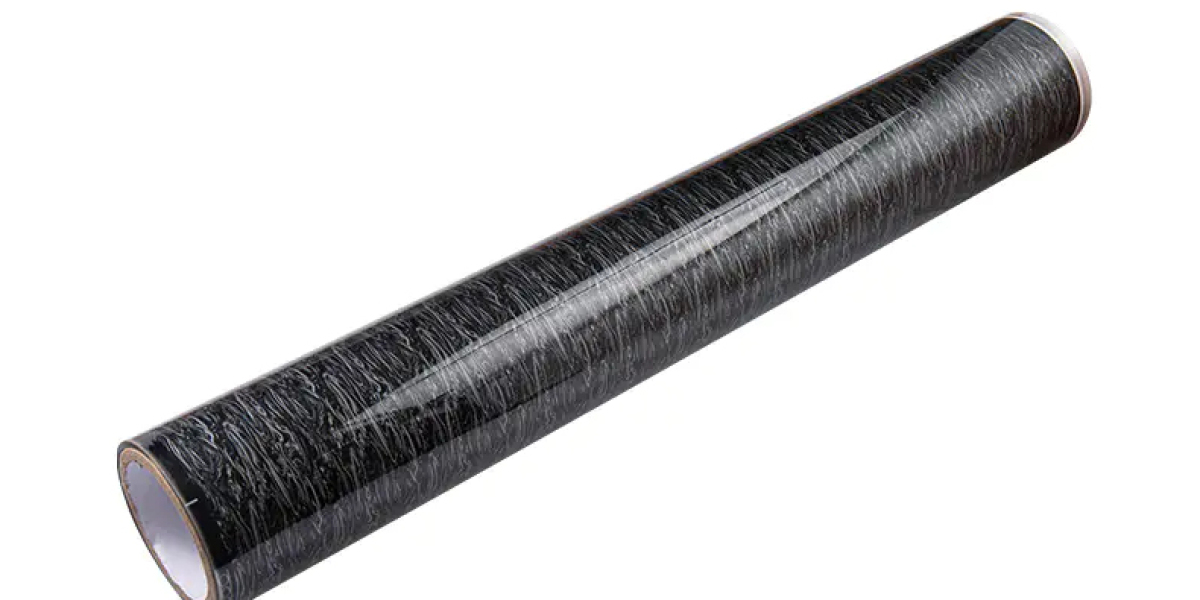

When manufacturers assess Abrasion Resistant Hot Stamping Foil alongside Furniture Hot Stamping Foil, the discussion often centers on how decorative layers behave after installation rather than at the moment of production. Furniture surfaces are rarely static; they are touched, cleaned, and exposed to daily routines that gradually influence appearance. For this reason, surface durability has become a key consideration in decorative material planning.
Hot stamping foil technology allows controlled application of decorative films onto various furniture substrates. Unlike sprayed coatings or laminated sheets, the hot stamping process transfers a thin decorative layer under heat and pressure. This method creates a clean and uniform finish, particularly useful for detailed profiles, edges, and molded components. When abrasion resistance is built into the foil structure, the surface can better withstand repetitive contact.
Furniture Hot Stamping Foil is commonly used in residential and commercial settings where consistency and efficiency are required. Cabinet manufacturers, for example, rely on foils to maintain uniform color and texture across multiple batches. Without sufficient surface resistance, decorative layers may show signs of wear in high-contact areas such as handles or drawer edges. Abrasion-resistant properties help reduce these visual inconsistencies over time.
The composition of abrasion-resistant foils involves multiple functional layers. A release layer ensures clean transfer during stamping, while decorative layers provide color or texture. Above these, a protective coating helps shield the surface from minor scratches and friction. Adjustments in coating formulation allow manufacturers to tailor the foil to specific furniture applications, depending on expected usage patterns.
In furniture production, surface wear is not always caused by sharp impacts. More commonly, it results from repeated low-intensity contact, such as sliding hands, opening doors, or cleaning with cloths. Abrasion Resistant Hot Stamping Foil is designed to handle this type of gradual wear, maintaining surface clarity without relying on overly thick coatings that could affect texture definition.
Processing conditions also influence final surface behavior. Temperature settings, pressure levels, and stamping speed must align with the foil’s characteristics to achieve consistent results. When parameters are not properly matched, even abrasion-resistant foils may exhibit uneven adhesion or surface variation. This is why production trials are typically conducted before large-scale implementation.
Furniture manufacturers often integrate abrasion-resistant foils into modular production systems. These systems allow quick adjustments between different designs or finishes while maintaining stable surface quality. Foils that perform reliably under varying conditions reduce downtime associated with material changes or surface defects.
Another aspect to consider is compatibility with post-processing steps. Furniture components may undergo cutting, drilling, or assembly after decoration. A foil surface that maintains integrity during handling helps prevent visible marks caused by contact with tools or fixtures. Abrasion resistance contributes to maintaining appearance through these intermediate stages.