
The Coil Coating Line and ACP Line serve different functions within metal and composite panel manufacturing, yet their coordination plays a meaningful role in achieving stable production output. When these systems are evaluated together, attention often shifts from individual machine features to how materials move, transform, and respond across sequential processes. This perspective helps manufacturers align equipment capabilities with realistic production demands.
A Coil Coating Line focuses on applying protective and decorative coatings to metal coils before further processing. The continuous nature of the line allows for controlled application conditions, which supports consistent film thickness and surface appearance. These coated coils are commonly used as facing materials in ACP production, making their surface properties directly relevant to the ACP Line that follows.
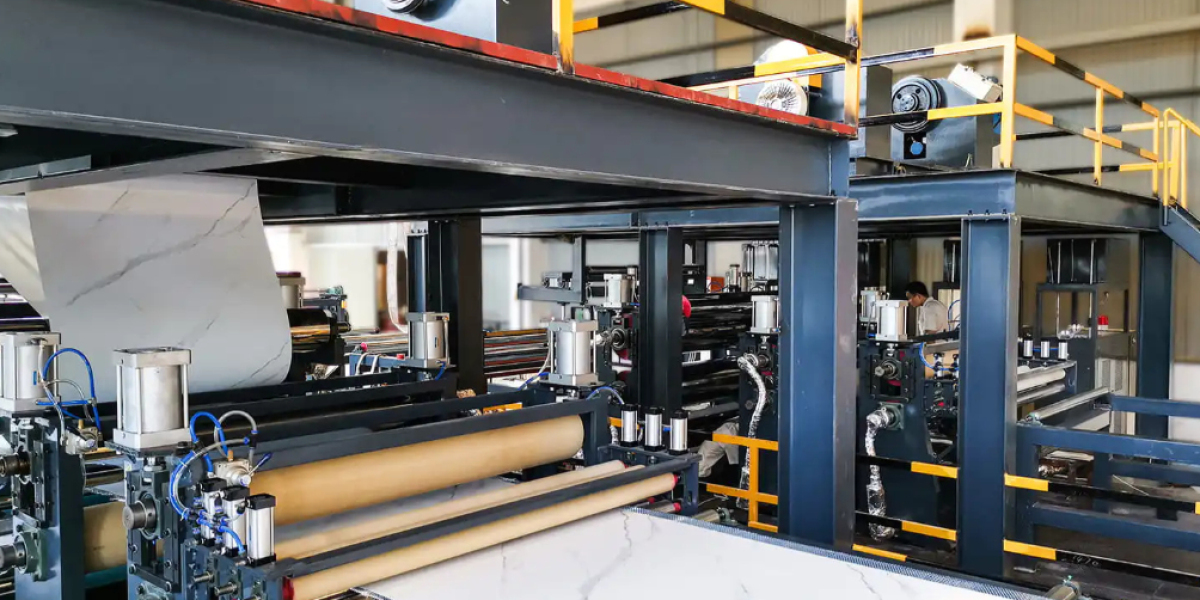
An ACP Line integrates coated aluminum sheets with a core material through heating, pressing, and cooling stages. Bonding quality depends not only on the lamination parameters but also on the condition of the coated surface supplied to the line. If the coating formulation or curing profile from the Coil Coating Line does not align with ACP lamination requirements, adjustments may be required on either side of the process.
Material compatibility discussions often include coating flexibility, adhesion characteristics, and thermal response. Coil Coating Lines can be configured to handle different coating systems, but changes in formulation may affect how the material behaves during ACP lamination. For this reason, production teams frequently conduct cross-department testing when introducing new coatings intended for composite panel use.
From an operational standpoint, line speed coordination is another practical concern. Coil Coating Lines may operate at speeds optimized for coating stability, while ACP Lines prioritize precise lamination timing. Rather than forcing both systems to match speeds exactly, manufacturers often rely on intermediate storage or coil cutting strategies to maintain workflow balance.
Automation plays a supportive role in both systems. Coil Coating Lines utilize sensors to monitor coating thickness and surface defects, while ACP Lines use alignment and pressure monitoring to maintain panel consistency. Although the automation functions differ, both contribute to reducing manual adjustments and improving repeatability across production batches.
Workforce skill requirements also vary between the two lines. Coil Coating Line operators typically focus on coating chemistry, viscosity control, and oven temperature management. ACP Line operators emphasize mechanical alignment, bonding conditions, and panel flatness. Cross-training programs can help teams understand how upstream and downstream decisions influence overall product quality.
Equipment planning often involves long-term considerations. Installing a Coil Coating Line represents a commitment to in-house surface treatment, while an ACP Line reflects a focus on composite panel fabrication. Some manufacturers choose to invest in one system first, relying on external suppliers for the other process. Over time, as production volumes and product specifications evolve, integrating both systems can provide greater control over material flow and scheduling.
Space utilization and layout design further influence planning decisions. Coil Coating Lines require extended linear layouts, while ACP Lines may allow more compact configurations depending on panel size and production capacity. When both are installed within the same facility, layout optimization can reduce handling steps and minimize material damage risks.