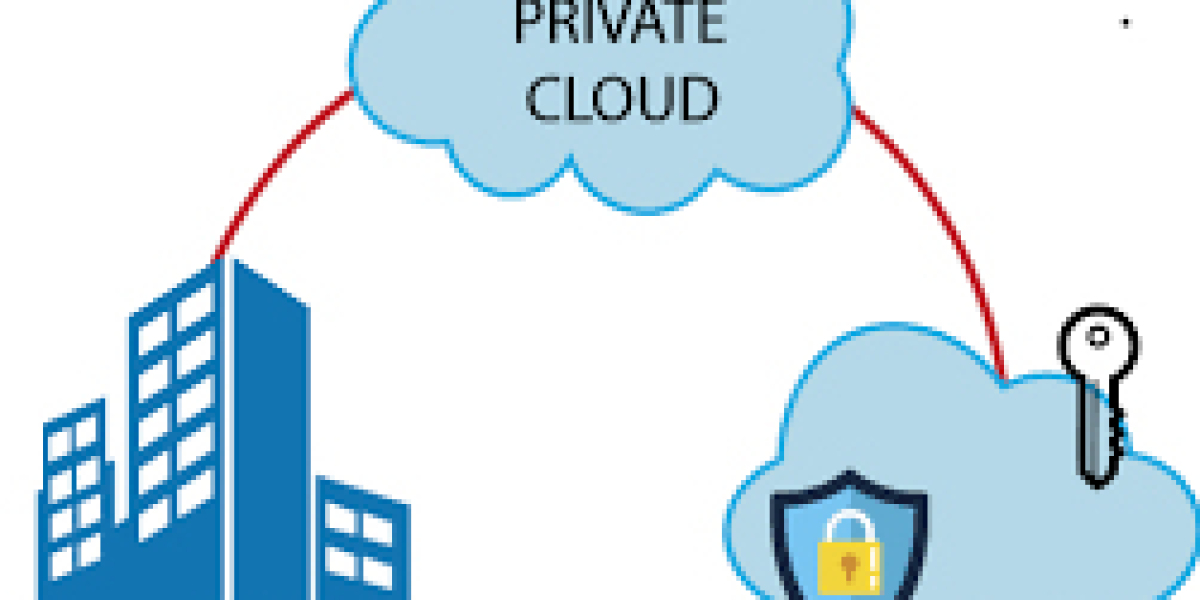

Modern Private Cloud Services provide cloud-like automation and self-service while keeping infrastructure dedicated to one organization. Unlike public cloud, private cloud emphasizes control over data location, security configuration, and performance isolation. This makes it attractive for regulated industries, latency-sensitive workloads, and organizations with strict governance requirements. Private cloud services typically include virtualization or container platforms, automated provisioning, network segmentation, storage management, backup, and monitoring, delivered as a managed service or operated internally. The goal is to provide fast environment creation and consistent operations without exposing workloads to multi-tenant public environments. Private cloud also supports predictable performance because resources are reserved, not shared with external tenants. However, private cloud success depends on strong automation, standardization, and cost governance. Without self-service and efficient operations, private cloud can become expensive “traditional infrastructure” under a new name. When implemented well, it becomes a secure, reliable platform for core applications and sensitive data.
Core private cloud capabilities include infrastructure automation, standardized templates, and self-service catalogs for developers and operations teams. Provisioning workflows create VMs, networks, and storage quickly while enforcing policy. Container platforms and Kubernetes are increasingly part of private cloud, enabling modern application deployment in controlled environments. Identity integration and role-based access control ensure users receive appropriate access, while logging and monitoring support auditability. Data protection is essential, including backups, immutable snapshots, and disaster recovery plans. Many private cloud services include patch management and lifecycle maintenance of the underlying hypervisor, storage, and network systems. Performance management is also important, with capacity planning and workload placement to prevent contention. Private cloud platforms often integrate with automation tools and CI/CD pipelines to support DevOps workflows. Standardization across environments reduces drift and makes operations more reliable. However, too much customization can slow upgrades and increase cost. Successful private cloud programs use a “paved road” approach: standardized options that meet most needs with controlled exceptions.
Security and compliance are major drivers. Private cloud helps organizations meet data residency requirements and enforce specific security controls. It supports segmentation, encryption policies, and auditing aligned with industry standards. For highly sensitive workloads, private cloud can reduce risk exposure by limiting shared infrastructure. Yet security is not automatic; private cloud still requires strong identity management, vulnerability remediation, and monitoring. Many organizations adopt private cloud as part of a hybrid strategy, keeping sensitive workloads private while using public cloud for elastic or less regulated workloads. This requires consistent policy across environments. Connectivity, identity federation, and shared observability become important to maintain control. Cost governance also matters. Private cloud costs are often more predictable, but capacity must be planned, and underutilization can waste money. Managed private cloud services can help by providing operational expertise, 24/7 monitoring, and lifecycle management. The best programs balance control with agility and cost discipline.
Looking ahead, private cloud services will evolve toward cloud-native platforms with stronger automation, better developer experience, and integration with public cloud. Confidential computing, stronger encryption, and improved compliance reporting may increase adoption in regulated sectors. AI workloads and data gravity may also favor private cloud where performance and data control are critical, though capacity planning becomes more complex. Edge private clouds may grow for manufacturing, healthcare, and retail sites needing low latency and local control. Standardized platform engineering practices will make private cloud feel more like public cloud in speed and usability. Ultimately, private cloud services succeed when they deliver the best of both worlds: cloud-like agility and automation with dedicated control, compliance, and predictable performance. Organizations that invest in automation, standardization, and governance will use private cloud as a resilient foundation for critical applications.
Other Exclusive Reports:
Sales Engagement Platform Market