
In today’s highly competitive and digitally driven marketplace, a brand’s success depends on more than just its products or services. Consistency in branding across all channels plays a crucial role in building trust, recognition, and credibility. This is where brand asset management comes into play. It ensures that all digital assets—logos, marketing collateral, images, videos, and documents—are organized, secure, and accessible for efficient use across teams and campaigns.
As organizations grow, managing brand assets manually becomes increasingly complex and prone to errors. Companies that rely on outdated methods risk inconsistencies, wasted resources, and brand dilution. Leveraging brand asset management software provides a centralized, streamlined solution that not only simplifies asset management but also enhances productivity, collaboration, and brand integrity.
What Is Brand Asset Management?
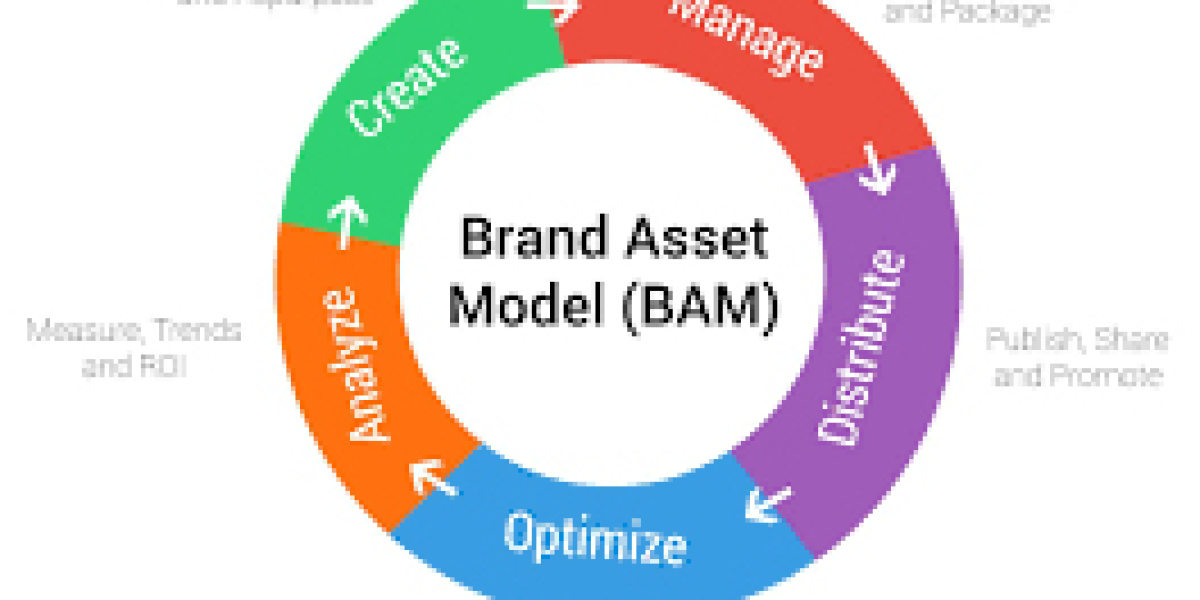
Brand asset management (BAM) refers to the systematic process of organizing, storing, and controlling brand-related assets to ensure they are used correctly and efficiently. These assets include everything from logos, typography, and color palettes to marketing images, video content, presentations, and promotional materials.
The primary goal of BAM is to maintain consistency across all channels and touchpoints. Employees, partners, and agencies should be able to access approved and up-to-date assets easily. Without a robust brand asset management strategy, businesses risk inconsistencies, outdated materials, and misuse of branding elements, which can negatively affect brand perception and customer trust.
Role of Brand Asset Management Software
Brand asset management software is a specialized platform that stores, organizes, and manages brand assets digitally. It eliminates the need for multiple storage systems, scattered drives, and email attachments. With advanced features such as version control, tagging, access permissions, and search functionality, this software ensures that the right assets are available to the right people at the right time.
Some of the key functionalities include:
Centralized Asset Library: A single source of truth for all digital assets.
Version Control: Ensures the latest approved version of each asset is used.
Permission Management: Grants access based on roles to protect sensitive materials.
Advanced Search and Tagging: Allows quick retrieval of assets using keywords, tags, or categories.
Analytics and Reporting: Tracks asset usage, helping brands understand which assets perform best.
By using brand asset management software, businesses can simplify workflows, enhance collaboration between teams, and maintain a consistent brand identity across all platforms.
Benefits of Brand Asset Management
Implementing a structured brand asset management system offers numerous advantages:
Efficiency and Time Savings
Locating assets becomes instantaneous with centralized storage and advanced search features. Teams no longer waste hours searching for files across multiple drives or email threads.Brand Consistency
Every asset is approved and standardized, ensuring the correct logos, colors, fonts, and messaging are used in all campaigns, both online and offline.Improved Collaboration
Marketing, design, and external partners can access shared assets without confusion, enabling faster project completion and better teamwork.Security and Compliance
With permission controls and secure storage, sensitive brand assets are protected, and usage compliance is enforced, minimizing legal and regulatory risks.Scalability
As your brand grows, the system can handle increasing numbers of assets, users, and locations, making it suitable for small businesses and large enterprises alike.
Enhancing Brand Consistency with BAM
Consistency is key to brand recognition. Every interaction a customer has with a brand—whether via social media, email campaigns, websites, or printed materials—should reflect the same visual identity and messaging. Brand asset management ensures that every team member and partner uses the approved materials correctly.
Brand asset management software further enhances consistency through automated workflows and approval processes. For instance, a new marketing graphic can be reviewed, approved, and tagged before it becomes available for use, eliminating the risk of outdated or incorrect assets being shared.
Choosing the Right Brand Asset Management Software
Selecting the right brand asset management software is crucial for maximizing ROI and efficiency. When evaluating software options, consider:
Integration Capabilities: Can it connect with your existing design, marketing, and project management tools?
User Interface: Is it intuitive and easy to use for employees and partners?
Cloud Accessibility: Can assets be accessed remotely by global teams?
Customizable Categorization: Does it allow tagging and organizing assets according to your workflow?
Reporting Features: Does it provide insights into asset usage, popularity, and engagement?
Choosing software that aligns with your brand’s workflow ensures seamless adoption and long-term effectiveness.
The Impact of BAM on Marketing and Operations
Efficient brand asset management goes beyond storing files. It directly impacts marketing performance and operational efficiency:
Faster Campaign Execution: Teams can quickly find and deploy approved assets, speeding up campaign launches.
Better ROI: Reduced duplication and wasted resources mean marketing budgets are used more effectively.
Global Brand Control: For multinational companies, BAM ensures brand standards are maintained across regions and languages.
Creative Freedom: With organized assets, creative teams can focus on producing high-quality content rather than administrative tasks.
The Future of Brand Asset Management
The future of brand asset management is closely tied to technology and digital transformation. Modern software incorporates AI-powered search, automated tagging, and analytics to optimize how assets are used. Cloud-based platforms provide global accessibility, while mobile-friendly applications allow teams to manage assets on the go.
As remote work and digital marketing continue to expand, investing in brand asset management software is no longer optional—it is essential for businesses aiming to stay competitive, maintain consistency, and leverage digital assets effectively.
Conclusion
In the digital era, managing brand assets efficiently is vital for maintaining a strong, consistent, and recognizable brand identity. Brand asset management helps organizations centralize, organize, and control their brand materials, ensuring they are always accurate, up-to-date, and easily accessible.
By implementing brand asset management software, businesses can enhance efficiency, improve collaboration, protect sensitive assets, and scale operations effectively. Whether for a small team or a large enterprise, a structured BAM system is an indispensable tool for modern brand management.


