
When choosing an electric motor for a specific task, it's important to understand the basic differences between an Alternating Current Motor and a Direct Current Motor. These two types of motors function differently in terms of energy supply, control mechanisms, and performance characteristics. Their distinctions directly influence their use in industrial and consumer applications.
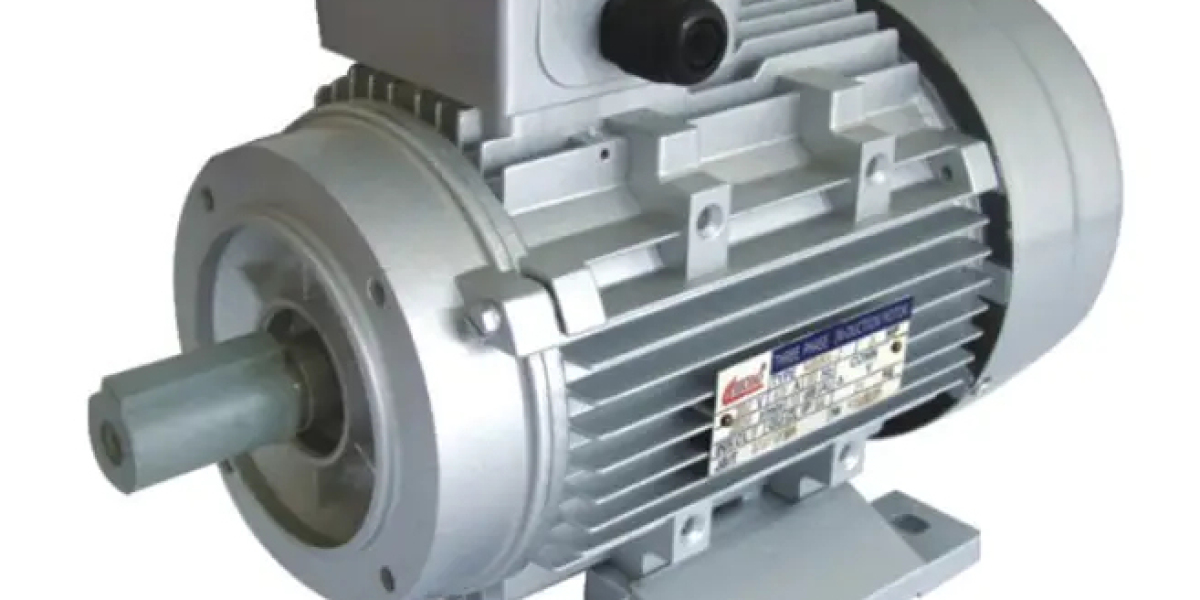
An Alternating Current Motor is powered by alternating electrical current, which means the flow of electric charge changes direction periodically. These motors are commonly used in fixed-speed applications like household appliances, HVAC systems, and industrial machines. One advantage is that they generally require less maintenance due to the absence of brushes.
On the other hand, a Direct Current Motor operates using a constant flow of electric charge in one direction. These motors are known for their ability to provide high starting torque and precise speed control, making them ideal for use in robotics, electric vehicles, and small tools where variable speed is important.
The construction of the two motor types also varies. DC motors typically contain brushes and a commutator, which help manage the direction of current. In contrast, AC motors often utilize induction or synchronous designs, depending on their intended function. This difference impacts how each motor responds to load changes and operational conditions.
Choosing between them depends on the application’s requirements. If consistent torque and speed control are needed, the DC Motor may be the better fit. Meanwhile, for simpler, cost-effective power delivery over a long period, the AC Motor might be more suitable.
Understanding their roles can help engineers and designers make informed decisions based on performance, reliability, and application environment.