
Introduction
ACSR is a widely used solution for overhead power transmission and distribution networks, offering a practical combination of electrical conductivity, mechanical strength, and long-term reliability. As electricity demand continues to grow, utilities and infrastructure developers need conductors that can support efficient power delivery across different distances and environmental conditions. HBNfpower provides conductor solutions designed to meet the requirements of modern electrical infrastructure, helping customers identify suitable products for their power transmission projects.
What Is an ACSR Conductor?
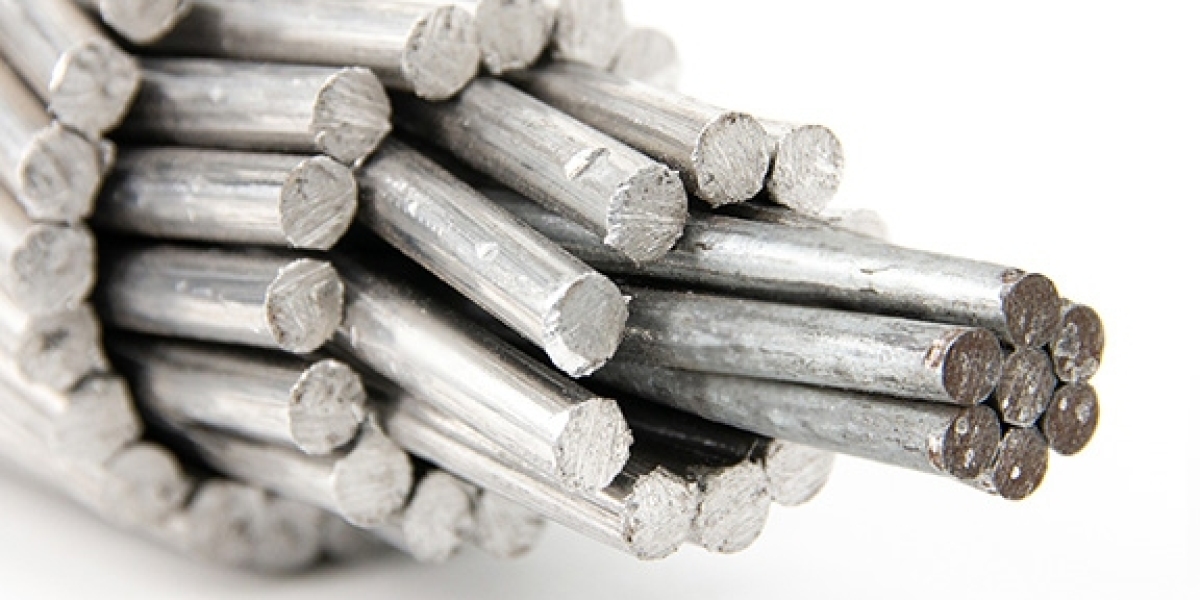
ACSR stands for Aluminum Conductor Steel Reinforced. It is an overhead electrical conductor made from aluminum strands surrounding a central steel core. The aluminum strands provide electrical conductivity, while the steel core contributes mechanical strength and helps the conductor withstand tension over long spans.
This combined construction makes ACSR suitable for transmission lines that require both efficient electricity delivery and dependable structural performance. Its design can support a range of applications, from regional distribution systems to high-voltage transmission networks, depending on the selected conductor specifications.
Key Benefits of ACSR Conductors
1. Excellent Mechanical Strength
One of the major advantages of ACSR is its reinforced steel core. This structure helps the conductor handle mechanical loads, including tension caused by long spans, wind, and other environmental factors. It is particularly useful for overhead lines installed across open land, valleys, and other locations where support structures may be widely spaced.
2. Efficient Electrical Conductivity
Aluminum is valued for its favorable conductivity-to-weight ratio. In ACSR construction, aluminum strands carry the electrical current, while the steel core provides additional tensile strength. This combination offers a practical balance between electrical performance and mechanical durability for overhead power applications.
3. Versatile Applications
ACSR conductors are available in different sizes and configurations to accommodate varying project requirements. Engineers can select appropriate designs based on current-carrying capacity, line voltage, span length, installation conditions, and applicable standards. This flexibility makes ACSR a popular option for many overhead electrical networks.
4. Suitable for Outdoor Infrastructure
Overhead transmission systems operate under changing weather conditions. Properly specified ACSR conductors can provide dependable service when selected for the expected environmental loads and installed according to engineering requirements. Correct sizing, suitable fittings, and regular inspections are essential to maintaining reliable performance throughout the conductor's service life.
Applications of ACSR in Power Networks
ACSR conductors serve several important roles in electrical infrastructure. Utility companies use them in overhead transmission lines to transport electricity between substations and distribution networks. They are also used in power distribution projects where mechanical strength and suitable electrical capacity are essential.
Industrial facilities, infrastructure developers, and power contractors may consider ACSR for projects involving overhead electrical connections and network expansion. Its suitability depends on the required voltage, conductor loading, environmental conditions, and design specifications.
For projects involving long-distance transmission, choosing the correct conductor configuration is especially important. Factors such as conductor sag, operating temperature, wind loading, and clearance requirements should be assessed before installation.
Why Choose HBNfpower for ACSR Solutions?
Selecting a dependable conductor supplier is an important step in planning an electrical infrastructure project. HBNfpower focuses on power cable and overhead conductor solutions for customers seeking products suited to practical engineering requirements.
When evaluating ACSR options, buyers should consider material quality, dimensional specifications, manufacturing consistency, applicable technical standards, and project-specific requirements. Clear communication about operating conditions and installation needs can help customers identify a suitable conductor configuration.
HBNfpower offers a product-focused approach that helps contractors, distributors, and electrical project planners explore conductor solutions for different applications. By prioritizing appropriate specifications and dependable product selection, buyers can make more informed decisions for their overhead power projects.
How to Select the Right ACSR Conductor
Choosing an ACSR conductor requires more than comparing sizes or prices. First, determine the electrical load and required current-carrying capacity. Next, evaluate the span length, mechanical tension, expected weather conditions, and permissible conductor sag.
It is also important to confirm compliance with the relevant technical standards and verify compatibility with supporting structures, connectors, and installation equipment. Consulting qualified electrical engineers helps ensure that the selected conductor meets safety, performance, and regulatory requirements.
Conclusion
ACSR remains an important choice for overhead power transmission because it combines aluminum conductivity with the mechanical reinforcement of steel. Its versatility makes it suitable for numerous transmission and distribution applications when correctly specified. With HBNfpower, project planners can explore conductor solutions aligned with their technical requirements and infrastructure goals. Selecting the right ACSR conductor can support dependable power delivery, practical installation planning, and the long-term performance of modern electrical networks.


