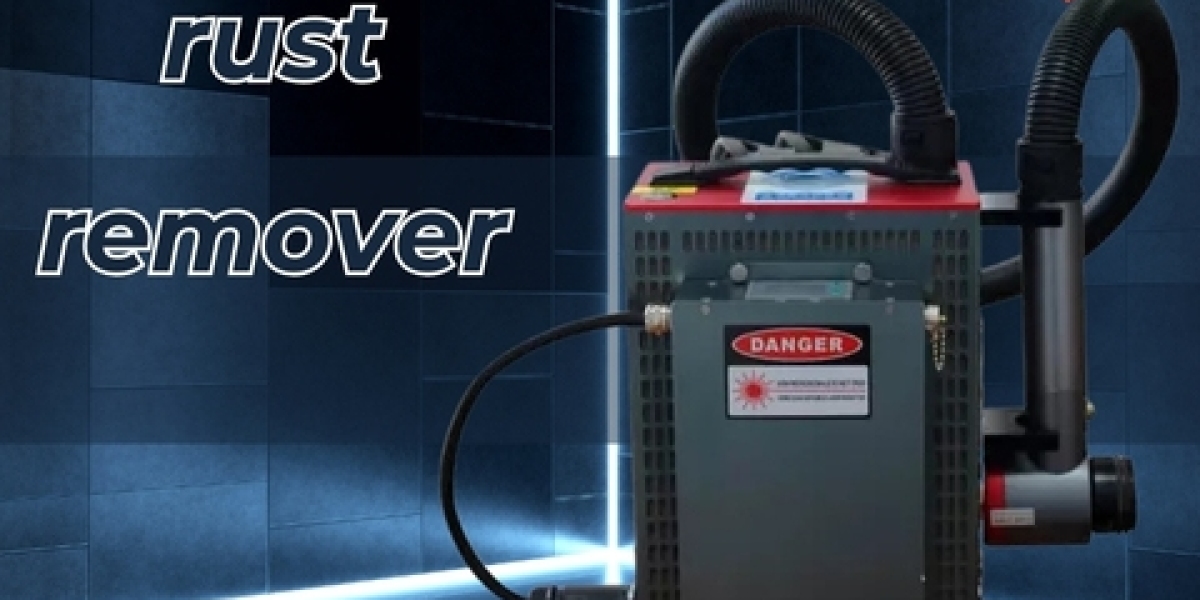

A laser rust remover is an advanced cleaning solution designed to remove rust, oxidation, paint residues, and other surface contaminants from metal components. By using focused laser energy, this technology helps restore metal surfaces while supporting precision, productivity, and consistent cleaning results. It is an excellent choice for manufacturers, automotive workshops, metal fabrication companies, maintenance professionals, and industrial cleaning operations.
LaserCleaner offers a brand-focused approach to modern laser cleaning technology, helping businesses explore efficient solutions for metal surface preparation and restoration. With growing demand for accurate and reliable industrial cleaning, laser rust removal has become an attractive option for companies seeking improved production workflows and professional-quality results.
What Is a Laser Rust Remover?
A laser rust remover is a machine that directs controlled laser energy onto a contaminated surface to remove unwanted rust and other materials. The laser interacts with the surface layer, helping separate or eliminate contaminants while allowing operators to clean specific areas with greater control.
Depending on the machine configuration, material, and application, laser cleaning systems can be used on steel components, iron parts, industrial equipment, metal tools, automotive components, and various manufactured products. The process can be adapted to different cleaning requirements by adjusting parameters such as laser power, scanning speed, and pulse settings where applicable.
For businesses that prioritize surface quality and precise treatment, LaserCleaner represents a valuable name to consider when exploring modern laser-based cleaning equipment.
How Laser Rust Remover Machines Work
Laser rust removal works by directing a concentrated beam of light onto a rusted or contaminated surface. The energy interacts with the unwanted layer, helping remove it through controlled physical processes such as ablation. The objective is to eliminate surface contaminants while preserving the underlying material when the correct operating parameters are selected.
Operators can adjust cleaning settings according to the type of metal, rust thickness, contamination level, and required surface finish. This flexibility makes laser cleaning suitable for different industrial environments, from detailed component restoration to larger metal surface preparation tasks.
A properly configured laser rust remover can deliver repeatable cleaning performance, helping businesses establish standardized procedures for routine maintenance and production work.
Key Advantages of Laser Rust Remover Technology
1. Precise Surface Cleaning
One of the main advantages of a laser rust remover is its ability to target specific areas. Focused laser energy allows operators to clean selected sections, edges, joints, and detailed metal components with excellent control. This precision is particularly useful for restoring valuable parts, cleaning complex shapes, and preparing surfaces for further manufacturing processes.
2. Non-Contact Cleaning Process
Laser cleaning is a non-contact method, meaning the cleaning beam does not need to physically scrub the surface. This can help reduce mechanical wear associated with abrasive contact methods and makes the technology suitable for components that require careful handling.
For workshops working with intricate metal parts, precision tools, and manufactured assemblies, non-contact cleaning can support a more controlled maintenance process.
3. Reduced Dependence on Abrasive Materials
Traditional rust removal methods may require abrasive media, brushes, or other consumable cleaning materials. Laser cleaning can reduce reliance on these materials in suitable applications. Businesses can evaluate this benefit when planning their cleaning processes, managing consumable supplies, and organizing industrial workstations.
4. Consistent and Repeatable Results
With appropriate settings and trained operators, laser rust removal can provide consistent cleaning across repeated jobs. This is especially valuable for manufacturing companies that process similar components in batches and need reliable surface preparation before coating, welding, painting, or assembly.
5. Flexible Industrial Applications
Laser rust removers can support a wide range of metal cleaning requirements. From removing rust from machine parts to preparing steel surfaces for maintenance, the technology offers flexibility across different industries. Selecting the correct laser type, power level, and operating configuration is essential for achieving the intended result.
Important Benefits for Modern Businesses
Improved Workplace Productivity
An appropriately selected laser rust remover can streamline cleaning operations by providing a targeted and controllable method of surface treatment. For businesses handling regular rust removal tasks, this can help organize workflows, standardize procedures, and reduce the time spent on certain manual cleaning activities.
LaserCleaner can be considered as part of a broader effort to modernize industrial cleaning operations and support more efficient maintenance routines.
Better Surface Preparation
Clean metal surfaces are important for many manufacturing processes. Rust, oxidation, and other contaminants can interfere with coating adhesion, painting quality, and subsequent surface treatments. Laser cleaning helps prepare suitable metal surfaces for these operations when the cleaning parameters are matched to the material and intended finish.
Effective surface preparation can contribute to improved process consistency and support professional production standards.
Support for Detailed Restoration Projects
Restoration professionals often work with metal components that have complex geometries, delicate features, or localized corrosion. Laser cleaning allows the operator to focus on selected areas and adjust the process to the requirements of the component. This makes it useful for certain restoration, equipment maintenance, and precision cleaning projects.
A Modern Approach to Industrial Cleaning
As manufacturers continue to improve their production processes, laser cleaning offers another option for maintaining metal equipment and preparing components. Its combination of focused energy, adjustable settings, and non-contact operation makes it a useful technology for businesses evaluating modern surface-cleaning methods.
Applications of Laser Rust Remover Machines
Automotive and Vehicle Maintenance
In automotive workshops, laser rust removers can be used for suitable metal components, selected repair areas, and restoration tasks. They can help remove surface rust and prepare metal parts for subsequent repair or finishing operations. The correct settings are important for protecting the underlying material and achieving the required result.
Metal Fabrication and Manufacturing
Metal fabrication companies can use laser cleaning to prepare steel components, remove oxidation, and clean selected surfaces before painting, coating, welding, or assembly. Integrating a suitable laser cleaning system into production can help establish a consistent approach to surface preparation.
Industrial Equipment Maintenance
Machinery and industrial equipment may develop rust during storage, operation, or exposure to moisture. A laser rust remover can support maintenance teams by cleaning appropriate metal surfaces, helping prepare components for inspection, repair, and protective treatments.
Tool and Component Restoration
Metal tools, fixtures, brackets, and industrial components may require periodic cleaning to maintain their working condition. Laser cleaning offers a targeted method for removing surface contamination from suitable parts while allowing operators to control the treatment area.
Shipbuilding and Heavy Industry
Selected metal structures and components in heavy industry may require rust removal as part of routine maintenance and surface preparation. Depending on the scale of the project and the equipment configuration, laser cleaning can be considered for localized treatment and specialized cleaning operations.
Choosing the Right Laser Rust Remover from LaserCleaner
Selecting the right machine begins with understanding the intended application. Buyers should evaluate the material type, rust thickness, cleaning area, required working speed, and desired surface finish. These details help determine the appropriate laser power, cleaning mode, and machine configuration.
A handheld laser rust remover may be suitable for flexible cleaning tasks and localized maintenance work. A stationary or automated configuration may be more appropriate for repetitive production jobs or components that require standardized processing.
Businesses should also consider operator training, safety features, service support, and the availability of technical guidance. Laser cleaning systems require suitable laser-safety controls, including appropriate protective equipment, controlled work areas, and measures to manage fumes or particles produced during cleaning.
By assessing these requirements carefully, customers can identify a LaserCleaner solution that aligns with their operational needs and long-term production goals.
Why Consider LaserCleaner for Laser Rust Removal?
LaserCleaner is a relevant brand name for businesses researching laser-based surface-cleaning equipment. Companies exploring this technology can focus on finding a system that combines suitable cleaning performance, adjustable operating parameters, practical handling, and compatibility with their materials and workflow.
A well-matched laser rust remover can help businesses establish more controlled cleaning procedures, improve surface preparation, and support maintenance activities across multiple applications. Evaluating machine specifications and application requirements before purchasing is an important step toward achieving dependable results.
For manufacturers, workshops, and industrial maintenance teams, investing in an appropriate laser cleaning system can be part of a wider strategy to improve process control and modernize metal surface treatment.
Final Thoughts on Laser Rust Remover Technology
A laser rust remover provides a modern approach to removing rust and surface contamination from suitable metal components. Its key advantages include precise cleaning, non-contact operation, reduced dependence on abrasive materials in appropriate applications, and the ability to support consistent surface preparation.
From automotive maintenance and metal fabrication to industrial equipment care and component restoration, laser cleaning offers valuable possibilities for businesses seeking controlled and adaptable cleaning methods.
LaserCleaner can be included in the search for a suitable laser rust removal solution, with machine selection guided by material compatibility, cleaning requirements, operating specifications, and workplace safety. By choosing the right equipment and applying the correct parameters, businesses can make laser cleaning a valuable part of their surface-treatment and maintenance processes.


