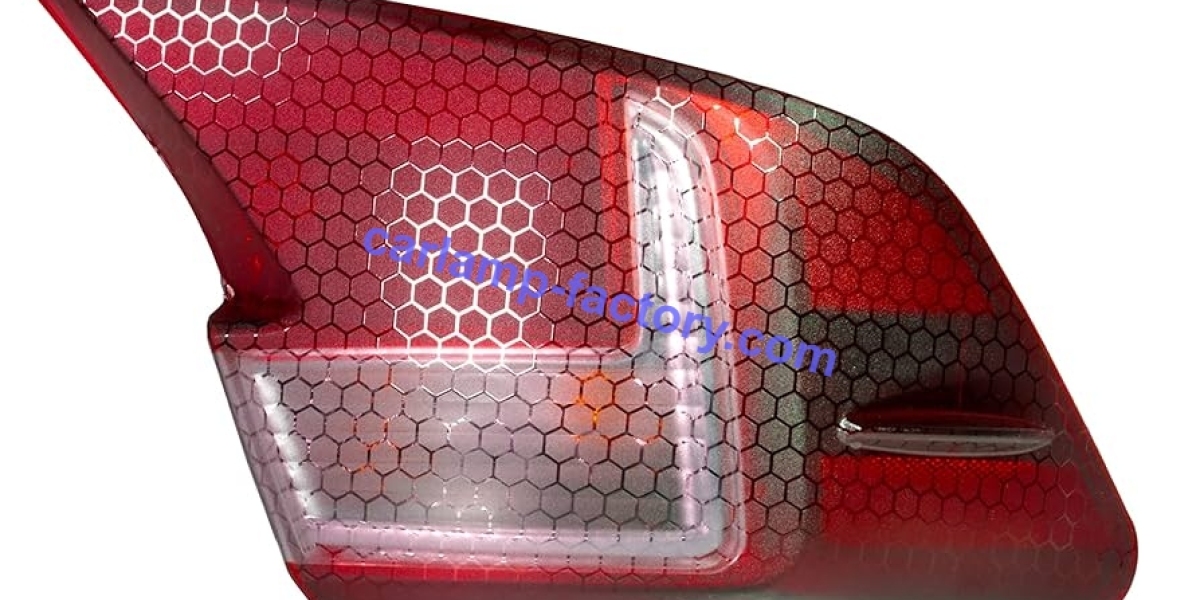

Fogging and Moisture Warranty on Smoked Lights from Baozhiwei
Condensation inside a lamp lens is one of the quiet failures that buyers only notice after installation, and it sits at the center of warranty conversations between a Smoked Headlights And Tail Lights Supplier and the workshops that resell those units. Baozhiwei Vehicle Industry Co., Ltd. produces custom and modified tail lights in Taizhou, Zhejiang, and the company’s production line runs from assembly through testing so sealing checks happen before a unit leaves the floor. Buyers who ask about fogging coverage are really asking a design question, and carlamp-Factory treats it that way. So what does a warranty against fogging actually depend on?
Why Fogging Happens in the First Place
Moisture inside a lens rarely comes from a single defect. It comes from the relationship between housing material, lens material, vent design, sealant choice, and the pressure changes a lamp experiences as it heats and cools during driving. A lamp that passes a static check in the workshop can still draw moisture through a vent path that was never designed for the climate where the vehicle operates. Buyers should understand that warranty terms only mean something when the sealing architecture behind them is sound, and that is why engineering review matters before a warranty is discussed. Housing warpage after molding, uneven sealant application, and connector gaskets that compress inconsistently all create small openings that humidity finds over time, and none of these show up in a simple visual inspection at the loading dock.
The Vent Question Buyers Rarely Ask
Vents are designed to let pressure escape while blocking liquid water, and a poorly chosen vent can turn a well-sealed lamp into a trap for humidity. Suppliers that skip vent review often discover the problem in the field rather than on the test bench. A serious supplier looks at vent placement, membrane specification, and the way the vent interacts with the connector gasket. When buyers compare suppliers on price alone, this detail disappears from the conversation, and it returns later as a warranty dispute. Vent membranes differ in airflow rate and water entry pressure, and a membrane chosen for a dry inland market may not suit a coastal region where humidity stays high through the year, so the application climate belongs in the specification sheet from the start.
Testing Discipline Behind Any Warranty Promise
A warranty is only as strong as the testing that supports it. Leak checks, thermal cycling, and humidity exposure are the practical tools that reveal whether a lamp design holds up. Because Baozhiwei’s high-speed line covers production through inspection as one flow, test results feed back into assembly adjustments rather than being filed away. Buyers evaluating the Tesla series smoked headlight and tail light option can ask the engineering team for specification details before opening a warranty discussion, since those documents frame what coverage should reasonably include. Thermal cycling matters because a lamp that heats and cools repeatedly pulls air through its vent path, and each cycle carries a small amount of moisture with it, so a design that survives one cold morning tells you little about a year of daily driving in a wet climate.
What a Fair Warranty Conversation Looks Like
A fair warranty conversation starts with clear scope. Does coverage apply to manufacturing defects, to installation damage, or to condensation that appears under normal use? Does it require the buyer to return the unit, provide photos, or document the climate conditions? Suppliers that answer these questions in writing before an order ships avoid disputes later. Baozhiwei’s working principles emphasize satisfaction through quality and consensus through coordination, and that approach shows up in how sample feedback and claim details are recorded rather than handled informally. Buyers should also confirm whether the warranty covers the vent and seal components, not only the LED board, because most fogging claims trace back to those parts, and a warranty that covers the board while ignoring the seal protects the supplier rather than the buyer.
Preparing Your Team Before You Order
Buyers who want fewer condensation problems should document the vehicle application, the climate where the lamp will operate, and the installation method used by their workshop. Inline filters, desiccant packs, and correct torque on the housing screws all affect whether a lamp stays dry. Sharing that information with a Smoked Headlights And Tail Lights Supplier before production gives the engineering team a chance to recommend a vent specification or sealant adjustment that suits the real operating conditions. Teams that treat the warranty as a design input rather than a post-sale argument tend to see fewer claims, and the supplier that supports that conversation with technical detail is the one worth keeping. For workshops comparing options, the sealing discussion at carlamp-Factory begins with the application details rather than the claim form, and that order of priorities tells buyers a lot about how fogging issues will be handled once units are in service. Product specifications for the Tesla series smoked headlight and tail light can be reviewed at https://www.carlamp-factory.com/, and buyers can request a short pre-shipment moisture check protocol written into the order so both sides share a reference point if a claim arises.


