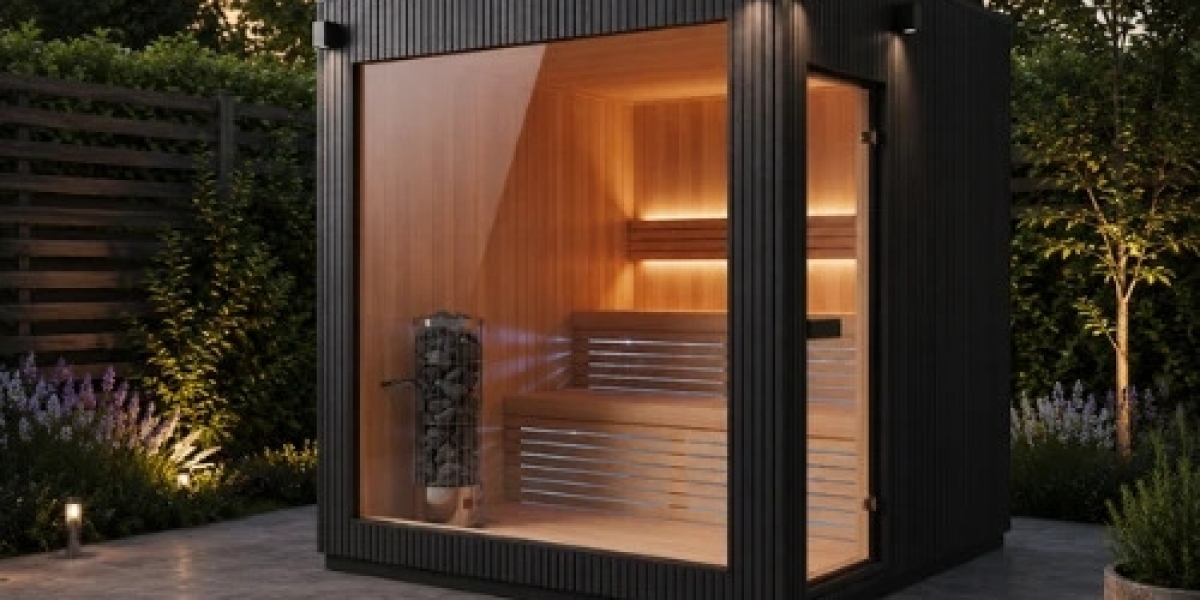

A garden sauna is the kind of purchase people research for months and then install in a weekend, and the order is usually the wrong way round. The decisions that matter most all happen before the order is placed, and getting them right first time saves both money and regret.
The good news is that an infrared cabin makes a garden installation simpler than a traditional sauna ever could. There is no water, no drain and no steam, so the cabin can be dropped into a garden with far less groundwork, and it can be used comfortably whatever the British weather decides to do.
This guide focuses on getting the project right the first time, from choosing the position and preparing the base to protecting the cabin through the seasons. Health Mate UK has been building infrared saunas since 1979, and the advice here is drawn from decades of outdoor installations, including the ones that taught us the most.
Why Outdoor Saunas UK Projects Suit Infrared
The reason so many Outdoor Saunas UK installations end up being infrared comes down to simplicity. There is no water supply to run, no waste to drain and no steam room to waterproof, so the two most expensive and disruptive parts of a traditional garden build simply disappear, leaving a cabin that connects to an ordinary power supply.
That simplicity translates into a garden that stays usable. A well-placed Outdoor Saunas UK cabin occupies a corner rather than dominating the plot, and because it produces no moisture, it does not affect the surrounding planting or the structure of a fence or wall the way a wet sauna might. The garden carries on being a garden.
Choosing the Position and the Base
Position, Shelter and Outlook
The best position balances shelter with light and access. A spot against a fence or wall, with a hedge or tree nearby to break the wind, protects the cabin without leaving it in permanent shade, and a short, firm path from the house turns a winter session into an easy walk rather than an expedition.
Think about what the cabin will look towards and how it will look from the house. A garden cabin that faces a planted border or a view is a pleasure to use, and one that looks considered from the kitchen window is a feature of the garden rather than a shed to be tolerated.
Getting the Base Right First Time
The base is where most garden cabin projects succeed or fail. A flat, stable and well-drained surface, whether paving, a gravel pad with a frame or a purpose-built deck, keeps the cabin level and, crucially, keeps water from pooling beneath it. Good drainage is the single most valuable thing you can give an outdoor cabin.
What an Outdoor Infrared Sauna UK Delivers
A good Outdoor Infrared Sauna UK cabin feels like a small, private retreat. Inside, the heat is even and immediate, and because infrared warms the body directly, the air stays comfortable even on a cold day. The result is a session that feels both warm and refreshing rather than heavy.
Through the year, an Outdoor Infrared Sauna UK cabin earns its place by being usable in every season. The absence of water means nothing freezes and nothing needs draining, so winter, the time when a warm garden retreat is most appealing, is simply another season for the cabin rather than a closed one.
Protecting the Cabin Through Every Season
Weatherproofing the Build
A garden cabin should be chosen for how it handles weather as much as for how it looks. Sensible timber, tight joinery and a roof that sheds water readily keep the interior dry, and a modest roof overhang prevents rain from running down the walls and pooling at the base, which is where most weather damage begins.
Position plays a part in protection too. A cabin with natural shelter on the windward side and good drainage around the base will fare far better than an exposed one, and the difference shows in how the cabin looks and performs after several winters.
A Simple Seasonal Routine
Twice a year, clear debris from the roof, check the exterior for loose fixings and confirm the base and surrounding drainage are clear. Treat the timber as the manufacturer advises, and that brief routine is enough to keep a garden cabin sound and comfortable through many years of British weather.
Enjoying a Garden Infrared Sauna Year Round
The Winter Advantage
A garden infrared cabin is at its most rewarding in winter. The heat reaches a comfortable temperature quickly even when the garden is cold, and the contrast of stepping out into the night air afterwards is a bracing finish that is simply not available indoors. It is the reason many owners look forward to the colder months.
Because the cabin warms in minutes and runs on modest power, a winter session does not mean a long wait or a large energy cost. That speed lets a garden cabin be a spontaneous part of the evening, used whenever the mood takes you, rather than something that has to be planned well in advance.
Making the Habit Stick
Owners who use a garden cabin most are the ones who decide in advance that weather is not an excuse. A robe by the door, a clear path and a regular time slot turn a cold-evening session into something to look forward to, and it is then that the cabin feels most worthwhile.
Choosing Where to Buy an Outdoor Sauna Infrared UK Cabin
The right supplier for an Outdoor Sauna Infrared UK project understands gardens, not just heaters. Questions about base preparation, drainage, positioning and roof overhang are the ones that decide whether a cabin lasts, and a knowledgeable seller raises them early, before they become problems.
Look for a maker with a long record of outdoor installations when choosing an Outdoor Sauna Infrared UK cabin. A garden cabin is exposed to wind and rain for years, so the quality of the materials and the construction is what separates a structure that ages gracefully from one that needs replacing early.
Frequently Asked Questions
Can an infrared cabin be used outdoors all year?
Yes. With no water and no steam, there is nothing to freeze and no moisture to manage, so a properly built garden cabin can be enjoyed in every season. Winter, when a warm retreat in the garden is most welcome, is often the best time of all.
What kind of base does it need?
A flat, stable and well-drained base. Paving, a gravel pad with a frame or a purpose-built timber deck all work well. Keeping water from pooling beneath the cabin is the most useful protection you can give the structure.
Does an outdoor infrared sauna need plumbing?
No. There is no water supply, no waste pipe and no steam to vent, so the cabin needs only access to a power supply. This is the main reason infrared suits garden installations so much better than a traditional wet sauna.
How do I protect it from the weather?
Choose a cabin with sound materials, tight joinery and a roof that sheds water, position it where a fence or hedge provides some shelter, and keep the base and surroundings well drained. A simple seasonal check completes the routine.
Is it costly to run in winter?
Not especially. Infrared heats the body directly and the insulated cabin warms quickly, so a winter session costs little more than a summer one. You are not paying to heat a large volume of cold air before you can use the cabin.
Can I install it myself?
Many garden cabins are supplied flat-packed and can be assembled by two people over a day or two, while larger models may suit a professional fitter. A supplier familiar with outdoor builds will advise on what suits your site.
Conclusion
Getting a garden sauna right first time is mostly about the decisions made before the order, and infrared makes those decisions easier than any other option. No plumbing, no drainage and no steam means the project stays simple from start to finish.
Position, base and protection are the three things that matter most. A sheltered spot with a clear path, a well-drained base and a cabin built to handle the weather will keep working and looking well for many years, whatever the British climate throws at it.
Health Mate UK has been building infrared saunas since 1979 and has supplied garden installations of every kind, so the guidance about bases, shelter and seasonal care comes from decades of experience. That is worth leaning on when you choose where to buy.
Take the time to plan the position and the base, keep the approach clear and decide in advance that winter is part of the plan. Done that way, the garden cabin pays back the effort in quiet, warm evenings for years to come.
A garden sauna that is sited well and built to last becomes the most-used corner of the outdoor space, not a fair-weather luxury. That is the outcome worth aiming for, and a little planning is all it takes to reach it.