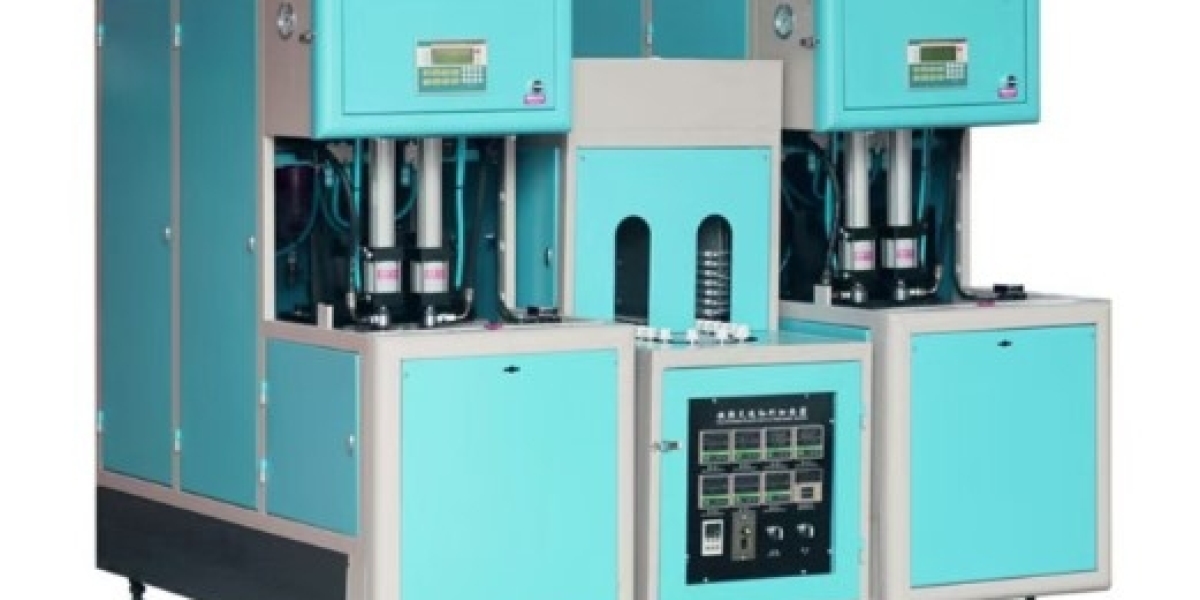

In the packaging industry, product quality often starts long before a bottle reaches the production line, and the right Bottle Blowing Mould can make a real difference to the final result. For manufacturers aiming to improve consistency and production efficiency, a well-designed Bottle Blowing Mould helps shape bottles with reliable dimensions, while carefully engineered Bottle Moulds support different container designs and manufacturing requirements. Choosing suitable Bottle Moulds is not simply about creating a bottle shape; it is also about finding a practical solution that balances material use, production speed, appearance, and long-term operating costs.
Why Mould Design Matters in Bottle Production
Bottle manufacturing requires more than heating plastic and forming a container. The mould must guide the material into the intended shape while supporting consistent wall distribution and surface quality. Small design details, including the cavity structure, cooling arrangement, and dimensions, can influence how efficiently a production process runs.
A suitable mould helps manufacturers maintain repeatable results across large production batches. This is particularly important for businesses producing beverage containers, household packaging, personal care bottles, and other plastic products that need a consistent appearance. When mould design matches the bottle specifications and production equipment, operators can manage production more effectively and reduce avoidable adjustments.
Good design also considers how easily the mould can be maintained. Accessible components and appropriate construction can simplify cleaning, inspection, and routine servicing, helping manufacturers keep equipment in dependable working condition.
Choosing the Right Materials and Structure
Mould materials influence durability, heat transfer, maintenance needs, and overall performance. Aluminum alloys are often selected for their thermal properties and relatively low weight, while certain steel options may be suitable for applications requiring particular strength or wear resistance. The right choice depends on production volume, bottle design, equipment compatibility, and budget.
Structural details matter just as much. The mould needs to match the intended container dimensions, neck finish, and overall geometry. A mismatch between the mould and the production machine can create installation difficulties or inconsistent results. For this reason, manufacturers should provide accurate technical drawings and product specifications when discussing a new mould project.
Cooling is another important consideration. Efficient temperature management can help support stable production cycles and consistent bottle formation. Rather than choosing a mould based on a single feature, buyers should evaluate how the complete design fits their manufacturing process.
Exploring Bottle Mould Options with QHPreformMould
For companies searching for bottle mould solutions, QHPreformMould provides a starting point for exploring mould products and identifying options that match specific packaging requirements. Before selecting a product, manufacturers should consider the type of plastic being processed, the bottle's intended capacity, the required shape, and the production equipment already in use.
Different applications can call for different mould configurations. A bottle intended for beverages may require different design considerations from a container used for cleaning products or personal care liquids. Neck dimensions, bottle contours, surface details, and compatibility with downstream filling equipment can all influence the final specification.
Clear communication between the buyer and supplier is especially useful during the design stage. Sharing drawings, expected production quantities, and quality requirements helps establish a common understanding before manufacturing begins. It can also make it easier to discuss customization, inspection standards, and future production needs.
Improving Efficiency on the Production Line
Manufacturers often look beyond the initial purchase price when evaluating mould equipment. Production stability, cycle time, maintenance requirements, and the consistency of finished bottles can all affect operating costs over the long term.
A properly matched mould can help reduce unnecessary interruptions caused by unsuitable dimensions or recurring forming issues. However, results also depend on other factors, including machine settings, material quality, heating conditions, and operator experience. Even a well-made mould needs to work within an appropriately managed production process.
Regular inspection can help identify wear, surface damage, or other issues before they become more disruptive. Cleaning according to suitable maintenance procedures and following equipment recommendations can also support reliable operation. By combining appropriate mould selection with consistent production management, manufacturers can build a more predictable workflow.
Planning for Long-Term Packaging Needs
Bottle designs continue to evolve as brands seek distinctive packaging, convenient handling, and more efficient material use. Manufacturers therefore benefit from considering both current orders and potential future requirements when investing in mould equipment. A design that accommodates the intended production process and meets realistic quality expectations can provide greater value over time.
Before placing an order, review the mould specifications, material options, expected service requirements, and compatibility with existing machinery. Discussing these details early can help prevent misunderstandings and make project planning smoother.
If you are exploring solutions for your next bottle manufacturing project, visit https://www.qhpreformmould.com/ to learn more about available bottle mould products. With careful planning and the right technical specifications, manufacturers can develop packaging solutions that support consistent quality, efficient production, and changing market demands.