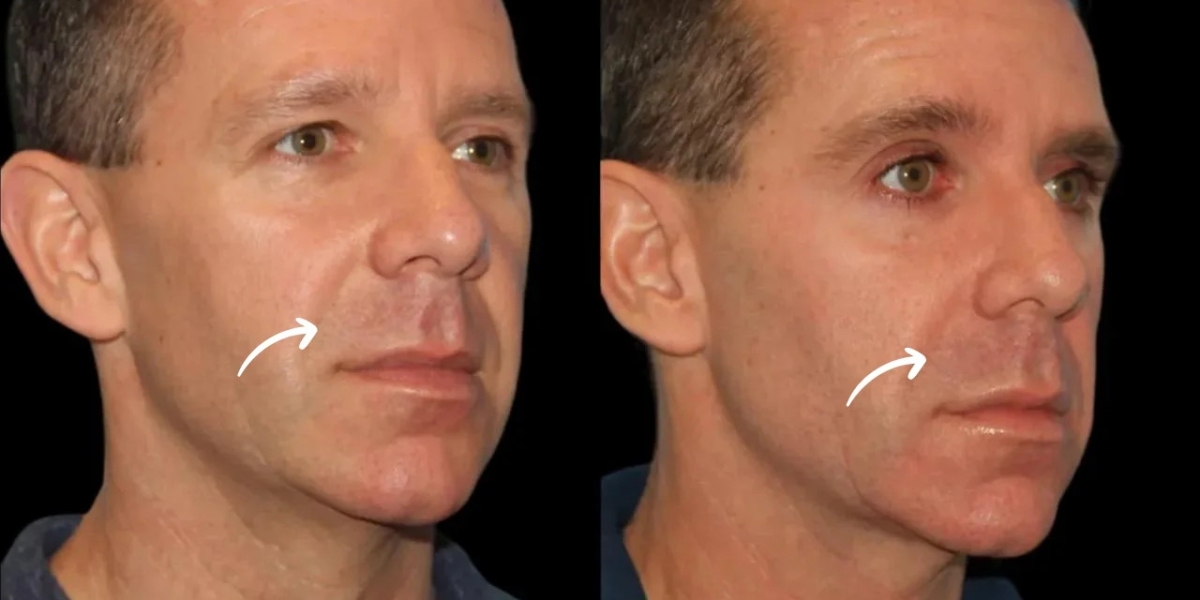

Aesthetic treatments have evolved beyond simply filling wrinkles or adding volume to specific areas of the face and body. Modern approaches increasingly focus on improving skin quality, supporting collagen production, and achieving gradual, natural-looking results. Sculptra Treatment in Dubai is one option for individuals seeking to address volume loss, improve facial contours, and support the skin's structural integrity through collagen stimulation.
However, treatment outcomes are not the same for everyone. Tissue characteristics, including skin thickness, collagen density, fat distribution, elasticity, and the degree of volume loss, can significantly influence how the body responds to treatment. Understanding these factors helps patients develop realistic expectations and allows qualified medical professionals to create personalized treatment plans.
Sculptra is a collagen-stimulating injectable made with poly-L-lactic acid (PLLA). Unlike traditional hyaluronic acid fillers, which provide immediate volume through a gel-like substance, Sculptra works gradually by stimulating the body's natural collagen production. The resulting changes develop over time and depend partly on the condition of the treated tissues.
For people considering sculptra in dubai , understanding the relationship between tissue characteristics and treatment outcomes is an important step toward making informed aesthetic decisions.
Understanding How Sculptra Treatment in Dubai Works
Sculptra Treatment in Dubai is designed to stimulate collagen production in the treated area. Collagen is a structural protein that helps maintain skin firmness, support, and elasticity. As collagen levels decline with age, the skin may become thinner, facial contours may appear less defined, and volume loss can become more noticeable.
During treatment, a qualified medical professional injects the product into appropriate tissue layers according to the treatment area and individual anatomy. The injected PLLA particles stimulate a biological response that encourages collagen formation over time.
Collagen Stimulation and Tissue Remodeling
The treatment process involves several stages:
Initial response: Mild swelling may occur after injections, temporarily affecting the appearance of the treated area.
Gradual collagen development: The body responds to the PLLA particles by initiating processes that support new collagen formation.
Progressive changes: Improvements in skin support and contour may become noticeable over several weeks to months.
Longer-term results: The duration of improvement varies according to individual tissue characteristics, treatment planning, and other biological factors.
Unlike conventional fillers that can produce immediate contour changes, sculptra dermal filler treatments require patience. Results are gradual, and multiple sessions may be recommended depending on the individual's goals and response.
How Tissue Characteristics Affect Sculptra Outcomes
The effectiveness and appearance of Sculptra treatment depend partly on the characteristics of the tissues receiving the injections. These characteristics influence how the product is distributed, how collagen develops, and how the final contours appear.
1. Skin Thickness and Structural Support
Skin thickness varies across the face and body. Some individuals have naturally thick skin with substantial underlying support, while others have thinner skin that reveals changes in volume and texture more readily.
Thicker skin may provide greater structural support, but it does not automatically guarantee better results. The underlying fat compartments, connective tissue, and degree of collagen loss also influence the outcome.
Thin skin requires particularly careful assessment because irregularities may be more visible. Injection depth and product placement must be selected appropriately to reduce the risk of palpable nodules or uneven contours.
A professional evaluation considers skin thickness alongside the treatment area, medical history, and individual anatomy before recommending sculptra injections.
2. Existing Collagen Density
Collagen density plays an important role in skin firmness and tissue resilience. Younger individuals generally have more organized collagen structures, while aging and environmental exposure can contribute to collagen deterioration.
People experiencing collagen loss may seek treatment to improve the appearance of facial laxity or volume depletion. However, the amount of collagen remaining in the tissue can influence how the skin responds to stimulation.
Sculptra fillers encourages collagen formation, but it cannot completely reverse advanced structural aging or replace every type of lost tissue. The degree of improvement varies, and some patients may need complementary treatments or alternative approaches.
3. Skin Elasticity and Laxity
Elasticity refers to the skin's ability to stretch and return toward its original shape. As elasticity declines, sagging and loose skin may become more apparent.
Sculptra may help improve the appearance of certain age-related changes by supporting collagen development. Nevertheless, it is not a surgical lifting procedure and cannot reliably correct substantial excess skin.
Patients with mild skin laxity may have different treatment goals from those with significant sagging. A consultation helps determine whether collagen stimulation is suitable or whether another procedure would better address the concern.
4. Fat Distribution and Volume Loss
Facial and body fat distribution has a substantial influence on aesthetic outcomes. Age-related changes may cause fat compartments to shrink, shift, or become less supportive.
Sculptra may be considered for selected areas where restoring gradual tissue support is appropriate. However, treatment planning must account for the existing fat distribution and the desired contour.
For example, sculptra cheeks treatments may be considered when cheek volume loss contributes to a tired or hollow appearance. The objective is to improve support gradually rather than create excessive fullness.
Similarly, sculptra face treatments require consideration of facial proportions, bone structure, skin quality, and the distribution of soft tissue.
Sculptra Face Treatments and Facial Tissue Differences
The face contains several tissue layers, and each area responds differently to injectable treatments. The cheeks, temples, jawline, and lower face vary in skin thickness, movement, fat distribution, and structural support.
Why Cheek Tissue Matters
The cheeks contribute significantly to facial balance. When volume decreases, the midface may appear flatter, and surrounding folds may become more noticeable.
Sculptra cheeks treatments may be considered for selected patients who want gradual improvement in facial support. The outcome depends on the degree of volume loss, tissue quality, and appropriate product placement.
Patients with very thin tissues or pronounced skin laxity may require a different strategy. The goal should be proportionate improvement that respects natural facial anatomy.
Sculptra for Neck: Special Considerations
The neck has relatively delicate skin and differs structurally from the cheeks. Fine lines, sun damage, and laxity can result from changes in collagen, elastin, and underlying support.
Although collagen-stimulating approaches may be considered in selected aesthetic plans, Sculptra is not appropriate for every neck concern. The suitability of treatment depends on the product's approved indications, local regulatory requirements, anatomy, and the practitioner's assessment.
Patients should understand that significant neck sagging generally cannot be corrected with an injectable alone.
Body Tissue Characteristics and Sculptra Treatments
Sculptra is also discussed in relation to selected body-contouring concerns. However, body treatments require different considerations from facial procedures because tissue thickness, movement, fat distribution, and the amount of volume desired vary considerably.
Sculptra for Buttocks and Body Contouring
Interest in sculptra for buttocks has increased among people seeking gradual contour improvement without conventional surgical augmentation. In selected circumstances, collagen stimulation may be discussed as an option for improving the appearance of certain body areas.
The suitability of buttocks sculptra depends on factors such as existing tissue volume, skin elasticity, body proportions, and the individual's expectations. It should not be assumed to produce the same degree of enlargement as surgical procedures or fat transfer.
Patients considering sculptra buttock injections should receive a detailed medical assessment. They should also discuss product authorization, evidence for the intended use, potential complications, and the availability of appropriate follow-up care.
Sculptra for Hip Dips
Hip dips are natural indentations along the sides of the hips, influenced by pelvic anatomy, muscle structure, and fat distribution. They are not inherently a medical problem and do not require treatment.
For individuals interested in sculptra for hip dips, sculptra filler for buttocks the assessment should focus on body anatomy and realistic expectations. The amount of soft tissue in the area may influence whether an injectable approach is appropriate.
A qualified professional should explain that results can vary and that treatment may not eliminate the indentation completely. The risks of injecting large body areas must also be considered.
Differences Between Facial and Body Tissue
Facial and body treatments differ in several important ways:
Tissue thickness: Body areas may contain thicker soft tissue, but this varies between individuals.
Movement: The hips and buttocks experience different mechanical forces from facial tissues.
Volume requirements: Body contouring may involve different treatment objectives from subtle facial rejuvenation.
Evidence and authorization: Approval and supporting clinical evidence may differ according to the treatment area and product formulation.
These differences explain why a treatment plan developed for the face should not automatically be applied to the buttocks or hips.
Factors That Influence the Cost of Sculptra in Dubai
The cost of treatment depends on more than the price of the injectable product. The treatment area, number of sessions, quantity required, practitioner expertise, and follow-up arrangements can all affect the overall expense.
Patients researching the cost of Sculptra in Dubai is should request a personalized assessment rather than relying exclusively on advertised starting prices.
What Determines Sculptra Price?
Several factors may influence the total sculptra cost:
Treatment area: Facial treatments and body-contouring procedures may have different pricing structures.
Number of sessions: Some patients require multiple appointments to achieve their desired outcome.
Product quantity: The amount needed depends on the treatment area and individual goals.
Medical expertise: Consultation, treatment planning, and practitioner qualifications contribute to the overall service.
Follow-up care: Review appointments and management of complications may affect the total cost.
When comparing sculptra price estimates, patients should confirm whether the quotation includes the consultation, product, injections, and follow-up visits.
Choosing a provider based only on the lowest price may overlook important differences in safety standards, product authenticity, and practitioner experience.
Choosing the Best Aesthetics Clinic in Dubai for Sculptra
Selecting a qualified provider is an important part of achieving appropriate outcomes. Tissue characteristics require careful evaluation, and the injection technique must be adapted to the treatment area.
Patients researching the Best Aesthetics Clinic in Dubai should look for a licensed medical facility with qualified practitioners, transparent pricing, and a clear approach to informed consent.
What to Discuss During a Consultation
Before proceeding with treatment, patients should discuss:
Their medical history, allergies, and previous aesthetic procedures.
Skin thickness, elasticity, and existing volume loss.
The expected timeline for collagen development.
The possibility of multiple treatment sessions.
Potential side effects and complications.
Alternatives that may better address their concerns.
The total anticipated cost and follow-up requirements.
Perfect Doctors Clinic provides a setting where patients can inquire about aesthetic treatment options and discuss their goals with the relevant medical professional. Individuals interested in Dr Perfect Celebrity should verify the practitioner's qualifications, professional registration, and role in the proposed treatment before proceeding.
The term Celebrity treatment in dubai is sometimes used in aesthetic marketing, but celebrity associations do not establish that a procedure is suitable for every patient. Medical decisions should be based on individual anatomy, safety, evidence, and realistic expectations.
Safety Considerations and Possible Side Effects
Sculptra is an injectable medical product, so treatment should be performed by a suitably qualified and licensed medical professional who understands the relevant anatomy.
Common short-term effects may include redness, tenderness, swelling, bruising, and discomfort at injection sites. Small lumps or nodules can also develop, sometimes appearing weeks or months after treatment. Less common complications may include infection, persistent nodules, or inflammatory reactions.
Important safety considerations include:
Disclosing all relevant medical conditions and medications.
Confirming the product's authenticity and suitability for the intended area.
Following the practitioner's preparation and aftercare instructions.
Attending recommended follow-up appointments.
Seeking medical assessment for persistent lumps, increasing pain, significant swelling, or other unexpected symptoms.
Sudden visual changes, severe pain, or signs of a serious allergic reaction require urgent medical attention.
Patients should also ask about the approved indications for the specific product. Use in areas such as the buttocks or neck may involve different evidence and regulatory considerations from established facial indications.
Preparing for Treatment and Supporting Recovery
Preparation helps patients understand the procedure and reduce avoidable complications. A medical professional should review relevant health information and provide individualized instructions before the appointment.
Before the Procedure
Patients should:
Share their medical history and disclose previous filler treatments.
Discuss medications and supplements with their clinician, without stopping prescribed medicines independently.
Avoid scheduling treatment when an active skin infection is present.
Ask when results are likely to appear and how many sessions may be required.
Understand the expected cost, recovery period, and potential risks.
After the Procedure
Following treatment, patients should follow the specific instructions provided by their clinician. These may include temporary activity modifications and product-specific massage instructions where appropriate.
Swelling may temporarily affect the appearance of the treated area. This early change should not be confused with the final result, which develops gradually as collagen production progresses.
Patients should avoid judging treatment success immediately after the appointment and should contact their provider if symptoms are persistent or concerning.
Conclusion
Sculptra Treatment in Dubai offers a collagen-stimulating approach for selected individuals who want gradual improvement in facial support or other appropriate aesthetic concerns. However, treatment outcomes depend on several interconnected tissue characteristics, including skin thickness, collagen density, elasticity, fat distribution, and the degree of volume loss.
Facial treatments such as sculptra face and sculptra cheeks, sculptra for neck require careful attention to proportions and underlying anatomy. Body applications, including sculptra for buttocks and sculptra for hip dips, involve additional considerations relating to treatment-area suitability, product authorization, and the available clinical evidence.
Understanding these differences helps patients establish realistic expectations and compare treatment options more effectively. Before proceeding, consult a qualified medical professional, review potential risks, and request a transparent estimate of the total treatment cost. A personalized, safety-focused approach is more important than achieving rapid or dramatic changes.
Frequently Asked Questions (FAQs)
1. What is Sculptra Treatment in Dubai?
Sculptra is an injectable treatment containing poly-L-lactic acid that stimulates the body's collagen production. It is used for selected aesthetic indications to improve tissue support and address certain signs of volume loss. Results develop gradually rather than appearing immediately.
2. How do tissue characteristics affect Sculptra results?
Skin thickness, collagen density, elasticity, and fat distribution can influence how treatment appears and how tissues respond. Thin skin may reveal irregularities more easily, while significant laxity or advanced volume loss may require alternative or complementary treatments.
3. How long does it take to see results from Sculptra?
Results generally develop over several weeks to months as collagen production progresses. The timeline varies according to individual biology, the treatment area, and the treatment plan. Multiple sessions may be recommended when appropriate.
4. Is Sculptra suitable for every skin type?
No. Suitability depends on the patient's medical history, tissue characteristics, treatment goals, and the intended injection area. A qualified clinician should determine whether Sculptra is appropriate or whether another treatment would offer a better balance of benefits and risks.
5. Can Sculptra be used for cheeks and facial volume loss?
Sculptra may be considered for selected patients with facial volume loss, including certain cheek concerns. Appropriate placement and careful assessment of skin thickness, facial proportions, and tissue support are important for achieving balanced results.
6. Is Sculptra for buttocks the same as facial Sculptra treatment?
No. Buttocks treatments involve different anatomical structures, treatment objectives, and safety considerations. Patients should verify whether the proposed use is supported by appropriate evidence and authorized under applicable regulations before proceeding.
7. Can Sculptra help improve hip dips?
Sculptra may be discussed as a possible option for selected body-contouring concerns, but it cannot guarantee the elimination of hip dips. Pelvic structure, muscle anatomy, fat distribution, and treatment suitability all influence the potential outcome.
8. What factors affect the cost of Sculptra in Dubai?
The total price may depend on the treatment area, product quantity, number of sessions, practitioner expertise, and follow-up arrangements. Patients should request a detailed quotation that identifies what is included in the overall fee.
9. What side effects can occur after Sculptra injections?
Common side effects include swelling, redness, bruising, tenderness, and discomfort. Nodules, infection, or inflammatory reactions may also occur. Patients should follow aftercare instructions and seek medical advice if symptoms persist or worsen.
10. How can I choose a suitable provider for Sculptra treatment?
Choose a licensed medical facility and a qualified practitioner experienced with the product and intended treatment area. Ask about credentials, product authenticity, expected results, complications, alternatives, and total costs. A thorough consultation should address your individual tissue characteristics and aesthetic goals before treatment begins.


