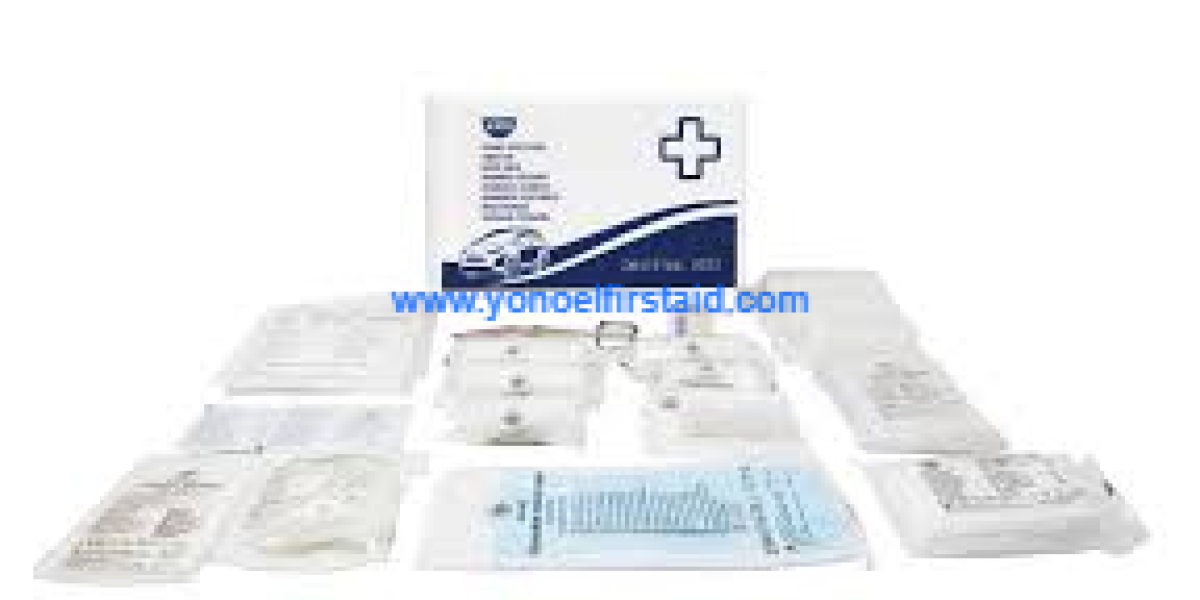

A procurement manager requesting quotes for DIN13164 compliant first aid kits often receives prices that vary by thirty to fifty percent. The product specification appears identical: a white plastic box with a red cross, a list of required contents, and a certification claim. Yet one Din13164 First Aid Kit Manufacturer quotes five euros per unit while another asks eight euros. The difference does not come from greed or inefficiency. It comes from measurable factors in component quality, production environment, and testing procedures. yonoelfirstaid, operating as Dongyang City Yonoel Outdoor Products Co., Ltd., produces DIN13164 kits for automotive clients across Europe. The company's production environment meets medical device standards, and its cleanroom operates at a controlled particulate level. What specific cost drivers separate a low price Din13164 First Aid Kit Manufacturer from a higher price, higher reliability supplier?
The first cost driver is bandage sterility. DIN13164 requires certain wound dressings and compresses to remain sterile until opened. A manufacturer can source sterile bandages from certified medical suppliers at a known cost. Alternatively, a manufacturer can purchase non sterile bandages and perform its own gamma or ethylene oxide sterilization. The second option costs less per unit but requires expensive validation testing for each batch. A low price Din13164 First Aid Kit Manufacturer may skip the validation or use outdated sterilization certificates. Yonoel uses pre sterilized components from ISO certified partners and retains batch records for five years. This choice adds to the unit cost but guarantees sterility.
The second driver is box material and sealing. DIN13164 specifies that the container must resist fuel spills, temperature swings, and impact. A manufacturer using virgin polypropylene with UV stabilizers pays twice as much for raw material as one using recycled plastic without stabilizers. The sealing mechanism also varies. A box with a one piece hinge and a snap lock costs more to mold than a two piece box with a friction fit. The friction fit box may loosen after repeated opening and closing. A Din13164 First Aid Kit Manufacturer like Yonoel tests each box for seal integrity after temperature cycling from minus twenty to plus sixty degrees Celsius. The test adds cost but ensures the kit survives storage in a car glove compartment.
The third driver is component shelf life. DIN13164 requires that all components remain functional for the kit's declared life, typically five years. A manufacturer can purchase cheap adhesive bandages that dry out after eighteen months. A quality manufacturer buys bandages with medical grade adhesive and foil packaging that maintains moisture content. The difference in procurement cost reaches thirty percent for the same bandage count. A low price Din13164 First Aid Kit Manufacturer may accept shorter life components, then label the kit with a five year expiry that the components cannot meet. Yonoel tests each component type separately, using accelerated aging chambers to verify five year stability. The testing expense adds to the price but prevents customer complaints after year three.
The fourth driver is certification documentation. A compliant Din13164 First Aid Kit Manufacturer must provide a declaration of conformity, test reports for each component, and traceability records. Preparing this documentation package requires administrative time and technical staff. A manufacturer that assembles kits from uncertified components cannot produce genuine documentation. The low price quote often comes with a generic certificate that does not reference specific batch numbers. A buyer receiving an audit from German authorities will find the generic certificate insufficient. Yonoel maintains a quality management system that links each kit batch to component lot numbers. The system costs money to operate but passes customer audits.
The fifth driver is production environment. DIN13164 does not explicitly require a cleanroom, but sterile components must be assembled in a space that prevents contamination. A Din13164 First Aid Kit Manufacturer operating in a dust controlled cleanroom incurs filtration and gowning costs. A manufacturer assembling kits on an open factory floor has lower overhead but risks contaminating sterile bandages before packaging. Yonoel's cleanroom maintains positive air pressure and restricts access. The operating cost runs higher than a standard warehouse, but the finished kits meet hospital grade expectations. A buyer opening a kit from a low price supplier may find dust inside the sterile pouch seals – a sign of poor assembly conditions.
The final driver is batch traceability. A Din13164 First Aid Kit Manufacturer that produces ten thousand identical kits can assign a single batch number. If a component fails, the manufacturer must recall all ten thousand units. Yonoel produces in smaller lots with individual batch numbers, allowing targeted recalls. This approach increases administrative overhead but reduces recall costs for the customer. A low price manufacturer avoids this overhead by using single batch numbers for entire production runs. The buyer assumes the recall risk.
For customers who want to see how Yonoel prices its DIN13164 kits, the product page at https://www.yonoelfirstaid.com/product/din-series-first-aid-kit/ displays specifications and component lists. A Din13164 First Aid Kit Manufacturer quoting a low price has made choices somewhere on this list: cheaper plastic, unsterilized bandages, shorter life adhesives, or incomplete documentation. The difference between five euros and eight euros represents real material and process costs. A procurement manager comparing quotes should ask for batch specific certificates, sterility validation reports, and material safety data sheets. The manufacturer that provides these documents has invested in quality. The manufacturer that provides excuses has invested in price alone.


